How to Know You Are Hiring the Right Home Builder

Introduction

If you’ve decided to build a new home, you’re probably already excited about the prospect of getting your dream house. But there are plenty of details to consider before signing on with a Home Builder. How will you find one? What should you ask them? And if it all goes wrong, what are your options? In this post, we will be discussing how to tell if you have hired the right home builder and some tips that can help ensure that happens!

Planning Strategy

  • Ask about the builder’s experience.
  • Ask about their reputation.
  • Ask about their process, and how they work with their clients to ensure that you get what you want out of your home-building experience.
  • Find out more about their style—how do they create custom homes? Do they use a certain design aesthetic that might work better for your tastes than others? Do they focus on specific materials or are they open to using whatever fits the style of your home best?

Next Steps Process

The next step process can be a very confusing part of the building process. The first step is to obtain your permits, which are different depending on what type of home you are building. If you are building an apartment condominium or townhouse, then the lender will normally provide this service for you and handle all paperwork with the city. However, if you are building a single-family home or duplex, then it is up to you and your builder to get that done. This can include going through multiple inspections before construction begins, including making sure that all plans have been approved by city officials and so forth.

Once all necessary permits have been obtained and inspections have passed successfully (or failed), then construction can officially begin! You may notice that there are still no houses anywhere near yours yet; this is because there will most likely be other sections of land being prepared for construction at other times throughout the year as well – but don’t worry about missing out on anything because these projects progress slowly over time so no one misses out on any excitement!

The Bid

The bid is the most important document you’ll get from a builder. It should be based on the cost of materials, labor, and profit. You should get a detailed breakdown that shows how they arrived at their numbers so that you can understand what they’re charging you for each item. It’s also good to see if there are any hidden fees or costs that aren’t included in the bid—permits, inspections, and contingencies are often left out of bids because they’re not considered “fixed” expenses, but they can add up quickly and may affect your budget significantly.

Bids should also include a timeline (or at least an estimated start date), which will help guide your decision-making process as well as keep communication lines open with your builder once work begins on-site!

Reliable References

  • Ask for references from previous clients.
  • Find out how long they have been in business.
  • Make sure they are licensed and insured.
  • Check their reputation in the community, both online and offline.

Delivery Time Frame

Delivery time frame is the amount of time it will take to complete your home. It’s critical for your family and can have a significant impact on your budget. The delivery time frame is impacted by the complexity of the project, as well as subcontractors. A good builder should be able to offer you an accurate delivery date from their first day onsite so that you can plan effectively.

The Contract

  • Read and understand the contract. This should be your first step before you even get in contact with a home builder. You want to know exactly what you’re paying for and what you can expect in return. If any terms seem unclear or confusing, ask the builder to explain them to you so that there are no surprises later on down the road when those points come up again.
  • Have a lawyer review it! A good home builder will have no problem giving you references for other clients whose contracts were reviewed by lawyers; if they hesitate or try to avoid answering this question, take note of it as red flag number one!
  • Make sure there is contingency planning in place if something goes wrong during construction or after closing (i.e., delays in delivery dates or substandard materials). This may not happen often but having a contingency plan could save both parties from unnecessary stress during this process – especially when tensions run high due to unforeseen circumstances like natural disasters (hurricanes/floods) affecting areas where homes are being built simultaneously. This would require careful coordination between builders and homeowners alike so as not to disrupt any timelines set forth by either party while allowing flexibility where possible within those parameters agreed upon beforehand.

With these tips, you will know you are hiring the right home builder!

Whether you’re working with a builder to build your first home or are an experienced homeowner looking to get back into the game, it’s important to find a builder who will provide you with the best possible experience.

Let’s take a look at some of the key things you should do and ask when searching for your next builder.

Conclusion

Even though hiring a good home builder like this builder in Northern Rivers can be challenging, with these tips and tricks, you will know that you are hiring the right person!


 

Reasons You Should Switch to a Smart Garden

Introduction

If you’re like me, you’ve probably had the same garden for years. I’ve been growing herbs, vegetables, and other plants in my backyard for over 15 years. And while it’s been a fun experience, I’m ready to try something new: smart gardening! A smart garden is a great way to get the most out of your plants without having to spend much time or energy on them look at Your Yard Tech. But why should you consider making the switch? Let’s take a look at some of the top reasons why smart gardening can be worth your time and money!

Your Garden Will Never Overwater Itself

The system will monitor the soil moisture and only water it when it needs to be watered. This means that you can set your system to only run once a week, saving both energy and money.

You Can Water Your Garden From Anywhere

Now, this is probably the most obvious benefit of using a smart garden. You can control your garden remotely, which means you may never have to physically go outside to water your plants. With just a few taps on the screen, you can set up a schedule for automatic watering or turn on the sprinkler system without having to lift a finger. In addition, if something goes wrong with one of your plants and they need watering faster than usual (like when it’s really hot outside), all you need is an internet connection and an app that’ll allow you access from anywhere!

You’ll Be Able to Control Everything at Once

Smart gardens give you the ability to control everything at once. You can monitor your soil moisture, temperature, and light levels—as well as the irrigation system—in an effortless manner with a smart garden.

You’ll also be able to monitor your garden’s energy usage so that you can conserve more energy while reducing your utility bills. And since smart gardens are connected to the internet, they’re also great for security purposes: if someone breaks into it or tries to tamper with it in any way (e.g., by planting undesirable plants), an alarm will sound without fail!

Smart gardens can provide a more efficient way to maintain your garden.

Smart gardens are more efficient, convenient, and environmentally friendly than traditional gardens.

Smart gardens are highly efficient in terms of water usage, fertilizer application, and harvest timing. A smart garden can detect when the plant needs to be watered based on its soil moisture level or whether there is enough sunlight for photosynthesis to occur. The system then automatically applies the appropriate amount of water or fertilizer as needed. This provides a more consistent and accurate application rate compared to what could be achieved by hand, while also eliminating the need for manual labor such as weeding or harvesting crops at specific times during the growing cycle (which require extensive knowledge about your plants). This helps reduce waste while ensuring that your plant receives exactly what it needs at each stage of its life cycle so that it stays healthy with minimal effort from yourself!

Conclusion

We hope that our article has given you some ideas about how smart gardens can help you take care of your garden! 

Tips and Tricks to Buying New Furniture for Your New Home

Introduction

When you’re moving into a new home, it can be tempting to buy all new furniture look at Cobra Cane. After all, your style has probably changed since the last time you bought furniture, and you have a whole house full of space that needs filling up. But is buying everything at once really the best way to go? The short answer is no. Here are some tips for getting what you need without going overboard:

Decide what style you want

A good way to narrow down your options is by deciding what style you want. If you’re moving into a new home, this might be the first time that you have had to decide on design elements like furniture. Don’t worry—the process can be really fun! Try asking yourself some questions:

  • How much do I like contemporary styles?
  • Do I prefer modern or traditional?
  • Do I want more casual or formal pieces?

Once you’ve answered these questions, start looking through different catalogs and websites for ideas of what kind of furniture would fit in with the style of your home and personality.

Take measurements

Before you start shopping, take the time to measure your rooms. Measure both the width and depth of each room, as well as any doorways or hallways that might be in your way. It’s also important to think about where the furniture will go—will it fit comfortably? Will it block a window or doorway? You may need to move some furniture around before buying new items or even buy pieces that can be disassembled easily so they’ll fit into smaller spaces later on.

When measuring a piece of furniture, keep an eye out for height as well as width and depth; this is especially important if you have low ceilings (as many apartment dwellers do). The wrong-sized dining table could leave guests with a sore neck after dinner!

Consider how many people you need to accommodate

Think about how many people you need to accommodate. This will help you determine the best type of furniture to buy.

  • How many people are likely to be sleeping in your bedroom?
  • How many people will be sitting on the sofa at one time? (If there’s a lot of space between all the pieces of furniture in a room, then it may not matter how big those pieces are.)
  • If you’re planning on hosting visitors often, consider buying higher-quality furniture that will last longer and withstand heavy use.

Make a wish list and stick to it

The first thing you should do is make a wish list of all the furniture and accessories that you want to include in your home. After that, stick to it! Don’t add anything else unless it is something that was not on your original list. If a new item comes along and seems like something you might want or need, take something off the list instead of adding it back in.

The best way to keep track of what you want is by using an app like Wishlist or Evernote so that everyone in the family has access to what everyone needs and wants. This way, when someone sees something at a store or online, they want us all to know about it immediately so we can discuss whether or not this item should be added to our home decor plans for later on down the road—now isn’t that nice?

Avoid impulse purchases

One of the most important things you can do when shopping for furniture is to avoid impulse purchases. A lot of people make impulse buys because they’re excited about something new, but these purchases often end up being more expensive and less satisfying in the long run.

Here are some tips for avoiding impulse purchases:

  • Shop around. The first step towards making an informed decision is to get as much information as possible about what’s available on the market. Do some research into different styles and brands, or ask friends who’ve purchased similar items what they thought of them. Then compare prices at multiple stores before actually buying anything!
  • Don’t buy anything right away. If a salesperson tries to sell you something by telling you that it’s almost sold out or that there aren’t many left in stock, don’t believe them! They may be trying to push your decision so that they can close a deal quickly; try not getting caught up in their pressure tactics while still doing research first (see above).

Quality over quantity

Quality over quantity is a good rule to follow when it comes to purchasing new furniture. You don’t need to buy every piece of furniture from the showroom floor; take your time, and find pieces that will last.

You must buy well-made furniture, built to last, and made from high-quality materials. Quality construction makes a huge difference in how long your piece of furniture will last—and it also means fewer repairs down the road, (which can often be more expensive than getting a new piece).

Set your budget and stick to it

To get the most for your money, it’s important to set a budget before shopping for furniture. You can always spend more as you go along, but if you start with a higher number than what you want to spend, there’s no way of knowing how much money will be left over at the end of it all.

While setting a budget is important, so is making sure that the furniture fits into that budget. Researching the cost of each item and comparing prices online or in-store will help ensure that you’re getting what you want at a fair price.

It’s also important not to get too caught up on brand names when buying furniture since they don’t always mean better quality or design. For example, one person might think, “I need an Ikea table because everyone knows Ikea has great stuff!” But another person might say, “Ikea?” No thanks! “Their stuff breaks easily and isn’t worth its high price tag.” Either way, both opinions are valid based on personal experience—so don’t let anyone tell you what brand is best for your home!

A good rule of thumb when considering whether or not something is worth its price tag is this: If I have enough money left over after buying everything else I need/want then yes; otherwise, no thanks!

Think about the future and what will be in style for many years.

One of the first things to do when buying furniture for your new home is to think about what will be in style in 5 years. If you like something now, chances are it will still look great in 5 years. However, if you buy something that’s trendy now but will be out of style in a year or so (such as some “modern” designs), then it might not be worth it for you to spend the money on it.

It’s also important to consider how big or small your home is before purchasing furniture. If your home is large enough and has enough space for oversized items such as couches and chairs, then by all means go ahead and buy them! But if your space isn’t very big (or even if it is), make sure that everything fits comfortably without taking up too much room so that guests can easily walk around without bumping into any furniture.

You can save time, money, and frustration by not making impulse purchases when buying furniture for your new home.

You can save time, money, and frustration by not making impulse purchases when buying furniture for your new home.

Here are some things to consider when purchasing new furniture:

  • Cost. Think about how much you’re willing to spend on each item and how many items you want to buy at once. Be realistic with yourself; if you have a budget of $100 per item then getting two couches is not going to happen unless they are “as is” or there is a massive markdown on the price tag.
  • Time spent using it. How often will you be sitting on this chair? Once? Twice weekly? Daily? This can help determine your comfort level with purchasing an expensive piece over a cheaper option which may be more comfortable but may need replacing sooner because of wear and tear.  Storage space available in your home or apartment building basement units where there isn’t enough room for large pieces like sofas.* Energy used cleaning up after yourself (not just vacuuming). If there’s no one else around who’ll clean up after themselves when they spill food onto their tablecloth then even if it washes easily enough don’t buy something that requires special care beyond what most people would expect from themselves as part of everyday living because guess who gets stuck doing all those extra tasks once again?!

Conclusion

We hope these tips have helped you navigate the process of buying furniture for your new home. We know how exciting, yet intimidating it can be to start fresh in a new place! If you do find yourself in a rush or unsure about which direction to go with your purchase, we’re here to help.

Signs you need a roof restoration or repair

Introduction

Have you noticed that your roof is starting to leak or that there’s a dark stain on the exterior of your home? If so, you may want to consider getting a roof restoration or repair look at Melbourne roof restoration. This is especially true if:

Exterior of house

  • Check for signs of wear and tear. Look for things like cracks in the paint, which may be a sign of structural damage as well.
  • Check for loose shingles. If you see any loose or missing shingles, there’s a good chance that other parts of your roof have been damaged as well.
  • Check for missing shingles. Missing pieces of the roof can lead to leaks, which can cause extensive damage to your home’s interior and exterior over time if not repaired immediately—be sure to inspect your entire house from top to bottom!
  • Check up on cracked shingles (and keep an eye out for cracks in the ceiling). Small cracks usually aren’t serious problems by themselves but should still be addressed right away before they become larger issues that could lead to more serious problems later on down the road—and remember not all cracked areas are visible so always check thoroughly!

Interior of house

Another way to get a sense of whether or not your roof needs repair is by looking at the interior of your house. You should look for water stains and mold on the ceiling or walls, discoloration, peeling paint, etc. These are all signs that there may be trouble brewing beneath the surface.

Energy bills

A leaky roof is a source of heat loss and can cause mold growth.

In addition to causing damage to your home, a leaky roof can also cause rot and decay of the structure.

Moisture from leaks can damage insulation in attics and walls, which will result in higher utility bills for you later on.

You can save money by taking care of your roof before it gets worse.

If you’re not sure whether your roof needs to be repaired or replaced, here are some signs that it’s time:

  • Your roof is leaking.
  • There are holes in the shingles.
  • The wood beneath the shingles is rotting and/or moist.

Conclusion

If you are experiencing any of these problems with your roof, we recommend contacting a professional for an inspection. There is no better time than now to get it done before the damage gets worse or becomes more expensive to repair.

Signs You Need to Schedule a Plumber for Maintenance

Introduction

You might think that you need to call a plumber like these Wangaratta plumbers as soon as you notice a problem with your plumbing. However, many signs can indicate when it’s time for maintenance. If you wait until a major plumbing disaster occurs, you will likely have to pay higher repair costs because the issue was not addressed earlier. In this post, we’ll go over some common signs that your pipes or faucets need maintenance so that you can avoid costly problems down the road!

Changing water pressure

  • Changing water pressure is a sign that there is a problem with the plumbing system. If this happens, it’s important to have it checked out by a plumber because low water pressure can cause problems with your appliances and toilets.
  • If you notice that your hot-water heater isn’t working properly, it’s time to call in a professional for maintenance. A malfunctioning hot-water heater can lead to many issues such as high energy bills and burst pipes due to an inability for warm water to flow through them properly.

Leaky pipes

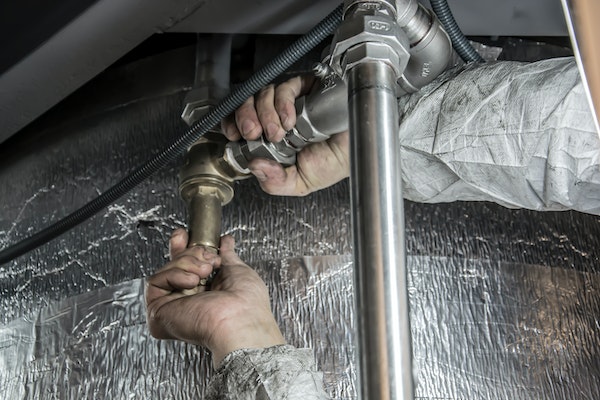
Leaking pipes can cause damage to your home and be dangerous. In addition to leaks, other issues such as frozen or burst pipes may also need to be addressed by a plumber. Pipes that do not have proper insulation can freeze or burst when exposed to frost, which can cause major problems in your home. Leaking pipes cause moisture buildup in walls and ceilings, which can result in mold growth both inside and outside of the house. If left unnoticed, this could lead to serious health issues for you and your family members who live there!

Mold or mildew growth

You can’t see it, but mold and mildew are growing in your home. The problem is that you can’t even smell it until it’s too late.

Mold is a fungus that grows in damp places, like showers or bathrooms. And if you breathe it in, there’s a chance you’ll experience symptoms like coughing and wheezing—not to mention damage to your lungs. It also causes allergic reactions in some people and can lead to asthma attacks.

Mold loves to grow on walls, ceilings, floors, and even pipes under sinks and appliances such as dishwashers or refrigerators. The bathroom is particularly susceptible since moisture from showers gets trapped there with nowhere else to go because of its closed-in nature.

Water pooling in your yard or basement

If you find water pooling in your yard or basement, it could be due to several different issues. However, this is typically a sign that something is wrong and needs to be addressed immediately by a professional from Milestone Electric, A/C, & Plumbing or another similar company. In some cases, it could be due to a leak in the pipes. If this is the case, then you can expect long-term damage if it isn’t fixed quickly enough—which means more money down the drain.

Also, keep an eye out for frozen pipes during the winter months, as well as sudden bursts of water coming out of nowhere when there haven’t been any before. These could be signs of frozen or broken pipes that need immediate attention, so call for help right away!

Running water when you are not using any water

If you notice that your water pressure seems to be inconsistent, this can be a sign of a leak. When there is a leak in your home, the water pressure in all fixtures will not be consistent. The best way to check if you have a plumbing problem is to check all of your faucets and toilets for leaks. If you do find one, it’s time to schedule an appointment with a plumber so they can fix it for you.

Plumber maintenance can save you from future plumbing disasters.

  • Plumber maintenance can save you from future plumbing disasters.
  • Prevent expensive repairs.
  • Prevent damage to your home and family.

Conclusion

The bottom line is that it’s better to be safe than sorry. If you notice any of the signs above, it’s best to call a plumber right away so they can take a look at your pipes and give you an honest assessment of what needs fixing.


Things to Consider When Buying a Water Tank

Introduction

Water tanks are used to store water and provide a reliable supply when needed. They can be used in households, businesses, and factories. Several factors should be considered before you buy a water tank.

Size

The size of your water tanks slimline depends on how many people you need to water, how much water they need, and how much space you have available. A smaller tank will require more frequent refills than a larger one. If you need to carry the water over long distances or up steps, a smaller tank may not be practical.

When calculating how many gallons fit in a given space, make sure that the measurements include all areas within the circumference of the container (called its “volumes”). For example: if you are considering purchasing a 5-gallon bucket with handles and a lid that measures 8 inches high by 6 inches wide by 10 inches deep, it’s important to remember that these measurements don’t account for any space inside! So if your bucket has 4″ between its inner and outer walls (as is common), then there is about 3″ worth of air in there; this means that only about 2 gallons can fit into that bucket!

Materials

  • Materials. When you’re shopping for the best water tank, it’s important to consider the materials used to make the tank. Some tanks are made of plastic and others are made of metal. The type of material your water tank is made from will affect its quality, cost, and maintenance requirements. For example:
  • Steel tanks tend to be more durable and less expensive than plastic tanks.
  • Plastic tanks are generally lighter than steel ones and therefore easier to move around (a big advantage if you need to install your tank).

Installation

When choosing a qualified installer, it is important to know about the work they have done in the past. Find out if they have been involved with water tanks before and what their experience is like. A good installer will also be able to provide references from previous clients who can give you an idea of their quality of work and customer service.

Make sure that the installer you choose has had some experience installing tanks; ideally, they should be certified by an independent organization such as NSF International or ASME Boiler & Pressure Vessel Code, Inc., which are two organizations that certify manufacturers’ products and services based on industry standards. They also usually require proof that your installer has liability coverage for any damages caused by their work, so make sure that yours has this before signing any contracts!

Safety

Safety is the most important consideration. You want to make sure that your water tank is safe for everyone who will be using it, from the person who buys it to the person who installs it and even to those transporting it. The following are some safety considerations:

  • The tank should be made of a material that won’t rust or corrode easily so that you don’t have to worry about toxic chemicals contaminating your water supply.
  • All of its seams should be sealed with welds or glue so there’s no risk of leaking chemicals entering into your household plumbing system or polluting nearby waterways.
  • It should have an outlet valve installed at the bottom so when they remove it they can drain out any rainwater before rolling away (or rolling back) their tanks after use!

Warranties and guarantees

When it comes to warranties and guarantees, you should know that every water tank manufacturer offers their own version of a warranty. For example, some manufacturers will offer a 10-year warranty on certain parts; others may offer a 15-year warranty. Another common thing to look for is how long the warranty lasts (i.e., 2 years or 5 years). If you are buying a new tank, then you want one with a good warranty that covers all parts of the product.

The most important thing to remember when looking at these warranties and guarantees is that they are not always clear-cut. For example, some products may only cover certain components while leaving other parts out entirely! You’ll need to read through each one carefully before deciding which ones suit your needs best!

Consider these tips when buying a water tank

  • The first thing to consider when buying a water tank is whether you need one. If the answer is yes, then these tips should help:
  • Find out what size of tank and how many gallons per minute it can handle.
  • Consider what type of water tank will work best for your home (e.g., above ground, underground, or even a tiered system).
  • Before purchasing used tanks, find out if they’re in good shape and have been tested recently by a certified technician like us at [myvacuumstore]. We also recommend having the tank inspected by an expert before installation so that there are no surprises later on down the road – which could lead to costly repairs!

Conclusion

There are a lot of factors to consider when buying a water tank. From size, materials, and installation options to warranties and guarantees, there are many variables to take into account. If you’re looking for advice on which tank is right for your home, we recommend contacting one of our friendly specialists today.

Things to Prepare Before a House Renovation

Introduction

Nothing is more stressful than having to worry about your home during a renovation. You’re dealing with contractors, construction materials, and potentially costly mistakes that could happen at any time.  Calling a trusted name in contracting can take away a lot of your stress.  To find a good one, try doing a basic internet search, like South Jersey home remodeling, from there you should find a list of companies, and you can check out the customer reviews to find the best one for you. The best way to avoid these headaches is by preparing yourself before starting work on your project or just hire a home renovation company. Here are some tips for getting ready:

Preparing a home for renovation is often an overlooked part of the process.

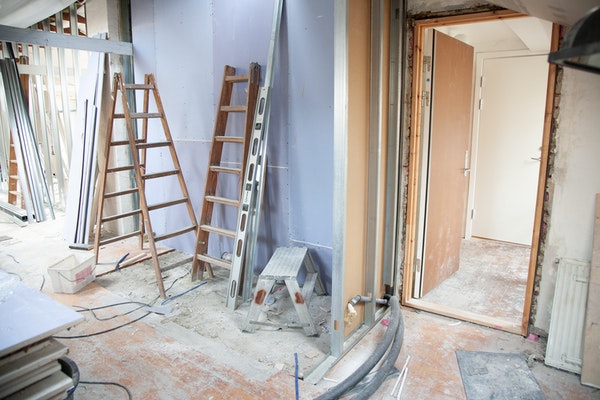
Preparing for house renovations is often an overlooked part of the process. This can lead to problems later on, such as messy rooms and a lack of space to store items. For example, you may want to try storing some of your old furniture in the attic or basement during renovations so that it doesn’t get damaged by dust or paint splatter.

Another thing to consider is making sure there’s enough storage space available in case you need it. You’ll want to make sure there’s enough room in closets and cabinets if you’re going through an extensive project like replacing all the appliances or windows throughout the house.

Make a list of everything you need to do before your renovation can begin.

When you’re planning a renovation, it’s easy to get caught up in the excitement of making plans and visualizing all the changes you’ll make. But before you start work on your house, it’s important to make sure that everything is in order so you can get started right away.

Take stock of what needs to be done before work can begin. If there are permits required for certain kinds of renovations (like plumbing or electrical), make sure those are taken care of as soon as possible. If materials need to be ordered—or if hiring contractors is involved (whether that’s a  Rubbish Removals Clayton company for junk removal or a glazier to fit new windows)—then this should also be done ahead of time, so that everything arrives when needed. And if there will be other people involved in helping out, then it’s best all around for everyone to agree on who does what and when they’ll complete their tasks (for example, agreeing on how long each person has to paint their bedroom).

Not all projects have to be done by licensed professionals, but make sure you have homeowner’s insurance on them anyway.

  • You may need to hire a licensed professional. You don’t have to hire a professional to do everything, but some projects will require it. If you’re doing anything that involves electricity, gas, or plumbing (which is most things), you’ll need to get licensed professionals involved.
  • You may need to hire a contractor. A contractor can take care of many of your renovations needs as well as help plan out the project and manage budgets with subcontractors or vendors if needed in addition to other things like making sure all permits are acquired before beginning work on your house so that it’s up-to-code when finished.
  • You may need to hire an electrician or plumber depending on what kinds of work needs to be done at the property such as installing new outlets for light fixtures or adding water heaters in downstairs bathrooms.

If you’re choosing a licensed professional, find one with a good reputation and references.

You should check that your contractor is licensed and bonded. In addition, you want to look for a contractor who has a good reputation and good references. If the contractor does not provide an estimate in writing or does not give you a detailed list of what will be included in the renovation, leave immediately.

If possible, talk to previous customers of the contractor and make sure their references are legitimate. You may even want to speak with other people who have worked with them on their remodeling projects if they have specific information about this particular company’s work efficiency and customer service skills.

It’s also possible that you’re going to want to choose a few different contractors for different parts of the project. For example, you may need to find a reliable siding contractor, as well as someone to complete the general work.

Get all necessary permits before work begins.

The first thing you should do before your renovation begins is applied for all necessary permits. Permits are required by law, and they ensure that the work being done in your home is safe. If a contractor doesn’t have the correct permits in place during their renovation, they could be fined or even face jail time if anything goes wrong. Depending on what type of permit is needed, it can also be expensive to obtain them; however, this can often be avoided by applying for them online before starting any work. Alternatively, if you are not sure how to apply for them or have too many to keep track of, then you might choose to hire a professional permit writing service to take care of this aspect of the project for you. This way, you’ll have peace of mind in knowing that all of the paperwork is in order, and that the project will proceed unhindered.

If you plan on doing any electrical work in your home (installing light fixtures or sockets), plumbing installation and gas fitting (installing ovens or hot-water heaters), or structural alterations such as adding walls and floors/ceilings, then these jobs will require building permits before they start, so make sure these are obtained first!

Work with experienced contractors to figure out how long your project will take and make a realistic timeline for it.

The next thing to do is figure out how long your project will take.

This can be a very tricky thing to determine, but there are a few factors you should consider when making your timeline:

  • The size of the project. If you’re building an addition or remodeling an entire house, for example, it’s going to take longer than if you were simply painting one room.
  • The complexity of the project. A small kitchen remodel might take less time than a total gut-and-rebuild on all three floors of your home.
  • The time of year in which you start working on it. Some contractors charge higher rates during certain months (e.g., summer). If this is true for yours and they don’t have any openings for another month or two (or three), then plan accordingly! You might want them around anyway so that they can assist with any issues that come up during construction.

Consider renting temporary housing during the most disruptive parts of the project.

It’s important to think about the construction process during your renovation and plan accordingly. One aspect that you should prepare for is where you’ll stay while your home undergoes its transformation. There are many factors to consider when choosing temporary housing, including the budget and how disruptive the work will be inside your home (and outside, if you have a basement).

If you’re looking for a permanent residence after undergoing renovations on your current house, it makes sense to rent temporary housing while the work is being completed. This way, when it’s time for you to move back in with all new finishes and fixtures throughout, there won’t be any surprises waiting for you! Additionally, renting temporary housing can also help save money on hotel costs and other travel expenses associated with staying away from home during this period.


Keep traffic out of the house as much as possible during renovations.

  • Keep pets and children out of the house as much as possible. Pets will likely not be happy with the noise, dust, and construction workers at your doorstep. Children may be curious to see what’s going on but are usually more than happy to play at a friend’s house or outside until it’s time to come back home.
  • Keep the noise level down. Construction workers should wear earplugs or headphones while they work so they’re not deafening everyone in the neighborhood!
  • Make sure your house looks occupied throughout renovations. Renters can put up “no trespassing” signs like this one: https://www.amazon.com/dp/B01LYYU9P9/. This way people know someone is living in your home and will avoid knocking on your door for any reason whatsoever!
  • Keep an eye on deliveries coming into your home so you don’t miss anything important like food deliveries from AmazonFresh or Prime Pantry!

Find the best way to keep debris and construction waste from getting in your way as you’re living through the project.

While it may be tempting to leave the garage door open to keep an eye on things, it’s much better if you can close it and keep your living space free from construction debris. The same goes for the front door: while it might be more convenient to let people into your home as they come and go, keeping these doors closed will make cleanup a lot easier when you’re ready to move back in. One way to keep things both neat and safe is to rent a dumpster near you for your construction waste.

If there are children or pets in your house during the renovation, try to make sure that they don’t have access to any play areas where construction waste could be lying around. This will save you from having them track mud into the house and getting their paws dirty—or worse yet, ingesting harmful chemicals!

Take steps to prevent intruders from using your renovation as an opportunity to break into your house.

There are several ways you can prevent intruders from using your renovation as an opportunity to break into your house.

  • Lock all doors and windows. The more entrances you have, the higher the chance of being targeted by intruders.
  • Keep valuables out of sight: If you have expensive items in plain sight such as jewelry or electronics, make sure they’re well-hidden so that burglars won’t know they exist until it’s too late for them to steal them.
  • Be aware of your surroundings: When renovating a home, many people become so focused on their work that they don’t pay attention to what’s going on around them, which could make them easy targets for thieves hoping to steal things while no one is looking!
  • Get security equipment installed before starting renovations: This will increase home security and protect against potential intruders during this time when there may be fewer people coming through the doors than usual (such as contractors).

Renovations are always easier when you’re prepared for them

Now, we’re not saying you should be paranoid about a little bit of dust or the possibility of having to use a hammer. But some preparation is necessary if you want to avoid unnecessary stress and frustration during your renovations. Here are some things you can do before work begins:

  • Know what you’re getting into. The first thing every homeowner should do is make a list of all the work needed in their house and how much time it will take to complete each item on that list. Then, break down each project into separate phases (demolition phase, framing phase, drywall phase). This will help keep everyone organized throughout the renovation process so nothing gets left out or forgotten about along the way.
  • Get building permits before starting any major projects like flooring replacement or adding an addition to your house. You can usually get these online through your local building department website; if not there then just call them directly and ask how long they’ll take so that it doesn’t delay anything else when renovating!

Conclusion

Hopefully, this list will help you get started on your renovation project. If you have any other tips or tricks that make it easier for you to prepare for a home renovation, please share them in the comments section below!

The Key Home Repairs to Make This Year

Nothing can make a home feel more comfortable and inviting than having it in tip-top shape. Keeping up with regular maintenance can help prevent bigger problems down the road, save you money, and keep your home looking great. But with that being said, how do you know where to start? In this blog post, we’re going to take a look at some of the key home repairs to make this year.

Exterior Repairs

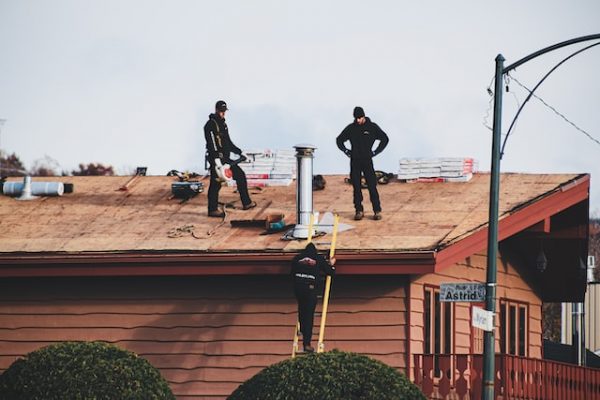
The exterior of your house is its first impression so it’s important to make sure it looks good. Start by examining your siding, roof, doors, and windows for any cracks or damage that needs repair. If you have wood siding, check for signs of rot or water damage. If needed, replace or repaint any damaged areas to ensure your house looks great from the outside in. You should also inspect your roof, gutters, and downspouts to make sure they work properly. You can also speak to experts, like Best Choice Roofing, about repair work or new installations that you need. Finally, make sure to clean out your gutters regularly as well!

Interior Repairs

Next up is inspecting the interior of your home. This includes checking all the plumbing fixtures in each room as well as electrical outlets and switches for any potential hazards or problems. Additionally, make sure all smoke detectors are operational with fresh batteries; if not be sure to replace them right away! An often overlooked item is air filters which should be replaced every three months—this will ensure that your HVAC system runs efficiently while keeping dust from building up in your air ducts over time. Lastly, take a look at the floors throughout each room; if there are any gouges or worn spots consider replacing or refinishing them before they get worse over time.

Appliance Upgrades

Finally, if you have older appliances like a refrigerator or dishwasher it may be time to invest in an upgrade. Newer models come equipped with improved energy efficiency ratings which can save you money on utility bills over time while also helping reduce environmental impact too! Additionally, newer models generally come with longer warranties so you won’t have to worry about costly repairs down the line either! A new appliance could turn into an investment that pays off over time – plus they tend to look much nicer than their aged counterparts too!

Beautifying Your Home This Year

Taking care of regular home maintenance tasks isn’t always glamorous but taking the time each year to complete them can help save you money in the long run as well as ensuring that your home looks beautiful inside and out! From checking exterior surfaces for wear, repairing interior items such as plumbing fixtures and flooring, and upgrading old appliances – these simple steps will help keep your home looking great for years to come! So don’t delay – start tackling those projects today!

Recovery Tips and Advice Following Your Cosmetic Surgery

Recovering from cosmetic surgery can be a difficult process, and it’s important to arm yourself with the best tips and advice you can get in order to ensure that your recovery is as successful as possible. From pre-operative care all the way through your post-procedure journey, there are multiple aspects of the healing process that require consideration when looking after yourself following any type of surgical procedure. In this blog post, we’ll go over some of the essential recovery tips and strategies for achieving a healthy return back to everyday life once again.

1. Recovery is different for everyone, so be patient and take it easy

Recovery from cosmetic surgery is an important and delicate process. Each patient responds differently, so it’s important to take recovery one day at a time. Be mindful of any instructions your doctor provides when crafting a recovery plan that works best for you. Listen to your body and adjust accordingly – the most important thing is that you should feel comfortable throughout the process. Don’t be anxious if some steps take a bit longer than others, because everybody has their own journey when it comes to recovery. Patience and persistence will always pay off in the end as long as you remain focused and consistent with your recovery plan.

2. Follow your doctor’s orders – they know what’s best for you

After you’ve committed to a Cosmetic Surgery procedure, it’s important to remember that following your doctor’s advice and orders is the key to recovering quickly and safely. When it comes to something as important and sensitive as a Cosmetic Surgery recovery, going rogue and doing what you think is right could have serious consequences for both your safety, future health, and desired results. Your doctor has taken the time to tailor an individualized plan for your particular recovery needs so heed their expertise and follow their guidance closely. Having confidence in your doctor’s knowledge and experience can set you up for success on your journey to feeling great again.

3. Drink plenty of fluids and eat healthy foods to help your body heal

It is essential to prioritize healthy nutrition and hydration during your Cosmetic Surgery recovery process. Eating a nutritionally balanced diet will maintain necessary energy levels, promote healing, and reduce the risk of infection. Drinking plenty of fluids also helps clear out toxins from the body and accelerates healing. Choose foods rich in antioxidants, vitamins, minerals and plant-based fats for added nourishment. Also, focus on consuming leafy green vegetables to add beneficial fiber to your diet and support tissue repair during recovery time. Remember that it’s important to eat smaller meals and snacks throughout the day while allowing yourself adequate time between meals for digestion. This can provide ample nourishment while allowing your body to maximize its healing potential post-surgery.

Surgery of any kind is a big deal. It requires time, energy, and above all else – rest. The more you can do to take care of yourself during the surgery and recovery period, the better off you’ll be overall. These tips and tricks should help make your post-operative life a little bit easier so that you can focus on enjoying your new look. If you have any questions or concerns about your specific procedure or healing process, don’t hesitate to reach out to Absolute Cosmetic. They are always happy to help their patients in any way they can!

Plan Before It’s Too Late: Safeguard Your Home From Natural Disasters

You cannot control nature. Mother nature can unleash her wrath anytime without a care that you were prepared for it or not. Therefore it is solely our responsibility to protect our near and dear ones before they get affected by mother nature’s wrath.

From the year 2006, more than 250 million people were affected by natural disasters, resulting in more deaths than 70,000. This is why taking preemptive measures against natural disasters is becoming imperative.

Therefore, in light of how dangerous it is, we have outlined certain precautions you can take to shield yourself from significant loss during natural catastrophes. However, you must first identify the disaster from which you need to shield yourself.

There are different types of disasters that vary from location to location:

● Floods and Tsunamis

● Hurricanes

● Tornadoes

● Earthquakes

Apart from this, wildlife is also a concern if you live in tropical regions.

Now you are aware of which threats need attention. Let’s learn how to defend our homes from these natural disasters.

Ways To Protect from a Natural Disaster

1. Install Storm Shutters

They are a fantastic way to shield your house from storms and other natural disasters. They keep your home cooler during a power outage and protect your windows and doors from flying debris. When installing storm shutters, ensure which Hurricane Windows Shutters suit your home best. There are different options available, like an automatic roll-down, Bahama shutter, or panel shutter. Consult with specialists to assist you in choosing the most cost-effective yet high-quality options that would truly protect your property in the worst-case scenarios.

2. Add Support to Cripple Walls

There is a crawl space under your home’s first floor created by a short wall known as a cripple wall. Try to protect such walls with additional support, as these walls aren’t sturdy enough to endure any natural disaster. Call professionals if you are unsure how to resolve the issue; they will walk you through it or perhaps even resolve it. Additionally, keep an eye out for cracks and holes in the walls so you can fix them immediately before something worse occurs.

3. Install Backflow Valve

Flood water can force sewage waste into your property through drain pipes. In these circumstances, having a pre-plan and installing backflow valves is ideal. These valves will prevent sewage waste from returning to your house. However, make sure you have a backup plan if everything is overflown and destroyed. Also, check whether you have any debris-clogged drains, as this can worsen things, especially if you live in a region prone to storms, floods, or hurricanes.

4. Install Hurricane Straps

Galvanized steel straps, also called hurricane straps, protect your home from damage during hurricanes. After installing these straps, your house can survive more than 100 mph winds. You can install these straps by joining them to your home roof to wall or foundation to roof. Before installation, professional consultation is required since they may offer advice on how to improve all-around safety. Your installation method might not be very effective in protecting your house from heavy winds. Therefore, be sure to seek professional assistance, especially if you reside in an area that frequently experiences natural disasters.

Wrapping Up

These were a few must-consider areas for disaster preparedness. In addition to this, you can strengthen windows and doors, fix loose, missing, and broken roofs, and secure the exterior of your property to increase its general security.

Stop thinking and start acting to protect your home before something happens!!