Are You Feeding Your Dog Right?

When you have a dog to look after, there are quite a lot of things that you need to make sure you are thinking about. But feeding them well is arguably always going to be the main one, and this is something that you need to think about before you actually get the dog into the home. There are a few main elements to this to consider, but as long as you do you should find that the process of feeding your dog is quite simple. Let’s take a look at these matters in a little more detail right now.

The Right Amount

First up, you need to of course ensure that you are feeding your dog the right amount, and this can actually be quite hard to get right at first. If you are wondering what the right amount of dog food is, it is quite hard to say, as it depends on a few factors. That includes the size and breed of your dog, as well as how much exercise they tend to get, and their own personal appetite. But with regular check-ups at the vet, you should be able to tell whether or not you are feeding them the right amount, and change it accordingly if not.

The Best Quality Food

It’s not just about amounts, however: you also need to feed your dog with the best quality food you can. This is a matter of trying out quite a few different brands and then seeing which tend to be most well received by your dog. But it’s more than that. It’s also researching the different types of dog food and going for one that is fresh, full of nutrients, and provides the complete package for your dog’s health. That is what matters above all here. Of course, you might also want to read some Badlands Dog Food reviews – as well as reviews for any other brand you are particularly interested in – during your research and trying to get a good overall picture of what a dog food is like. However, it’s worth keeping in mind that what has worked for others in the past might not work for your dog, so don’t be disheartened if they don’t seem to like one – there will be something out there that they will enjoy.

Proper Timings

Something that a lot of people don’t realize the importance of right away is the timing of when you feed your dog. If you want to make sure that you are doing it all right, then looking into this is actually going to be really important. There is a lot to be said for routine here, and your dog is going to feel so much more that they know when their food is coming, which will really help with digestion and metabolism and so on too. So it’s actually more important than you might think, and definitely something to think about.

Hydration

Finally, it has to be said that hydration is just as important as feeding your dog right, and you need to make sure that you are doing all you can to pay close attention to this matter as well. As long as you are hydrating your dog properly alongside feeding them, that is the kind of thing that can make a huge difference to the whole process of their diet and making sure that they are healthy. So be sure that they always have plenty of fresh water available, as that is always going to be important.
What Is Topsail Island Best Known For?

Spanning 26 miles of coastline, Topsail Island is a vacation oasis off the coast of North Carolina. The island sits between two other islands that are part of Crystal Coast and Cape Fear. People from all over come to Topsail Island to enjoy a beach getaway.

Topsail Island is an old-school coastal getaway with a focus on local options and laid-back vibes. It’s not part of the Outer Banks, another popular region in North Carolina for beach getaways. If you want a vacation you’ll enjoy without the crowdedness of other trendy regions in the state, then Topsail Island is a vacation area to consider.

From scenic views to fresh seafood, Topsail Island has a lot to offer. In this article, we provide some general information on Topsail Island as well as the low-down on what the vacation area is best known for and why you should consider putting it at the top of your family vacation list. Read on to learn all about what Topsail Island has to offer you and how vacation rental providers like Lewis Realty can help you plan your dream vacation.

Affordable Rentals With Lewis Realty

Many vacation rentals are available on Topsail Island, including affordable deals. Book your vacation rental during the off-season to save more, but if fun in the sun is the priority, you can still find great deals with local vacation rental options through Lewis Realty. With Lewis Realty, you’ll find the best rates so that you can truly achieve peace of mind as you enjoy your vacation. The best part? Lewis Realty is open 24 hours a day to assist you with your needs before you book and all throughout your stay.

Sea Turtle Preservation

Topsail Island is known for its sea turtle preservation and its related conservation work. From mid-Spring through September, loggerhead sea turtles sprawl across the shores to lay eggs. Topsail Island takes pride in protecting the sea turtle population and nesting season with help from the local sea turtle rescue and rehabilitation center. The sea turtle preservation center is in Surf City, one of the three communities of the island region.

Enjoy Beautiful Beaches

Each seaside town of Topsail offers vacationers and locals more than they could ever dream of, including beautiful beaches, with multiple dog-friendly areas. In addition to the beach and a classic beach rental from Lewis Realty, you can enjoy a range of dining choices, shopping centers, and local events. If you’re looking for things to do, check out the Surf City Ocean Pier and go fishing. If you’d rather soak up the sun, get your lounge chair ready at Serenity Point just before sunset.

Book Your Trip For A Vacation To Remember

Topsail Island gives beachgoers a vacation to remember. The local coastal feel offers travelers a fresh take on the classic beach getaway and all without missing out on souvenir shopping and sophisticated dining options you’d expect to find. For your next getaway, book your trip to Topsail Island with Lewis Realty.

The Real Benefits of Preventive Maintenance for Your HVAC System

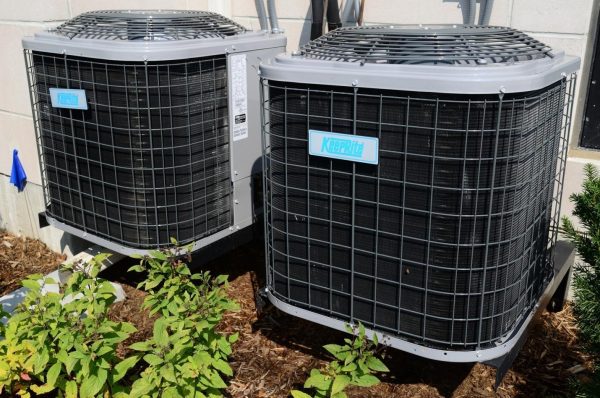
Most of us know that preventing problems is often better than addressing them – for one, it is less expensive, and for another, we can nip the problem in the bud while it’s still a minor issue than have it break out into a major one. The same is true for almost everything, including our HVAC systems! Everyone also knows how costly an HVAC system is – it’s probably one of the most expensive investments you will make in your home or business. So, of course, you would want to ensure that your investment will last and ultimately pay for itself – which brings us to the importance of preventive maintenance. A ton of benefits arise from it – you will not only save yourself from costly repairs, but you can also prolong your system’s life and even reduce your bills in energy. So what else are the real benefits of preventive maintenance for your HVAC system? Here’s a rundown.

· Reduce your consumption

The first benefit of preventive maintenance is that you can greatly reduce your energy consumption. Your system will remain efficient and will not break down, and the technician will test and inspect your system for any signs of an impending issue. Plus, the technician will clean the part and components so your HVAC system can run as efficiently as possible. And when your system is operating efficiently, you won’t consume as much energy – which translates into big savings on your electric bill.

Imagine that your system isn’t regularly cleaned – over time, it will work harder to produce the same output. Your system’s filters, for example, need to be cleaned and replaced – or they will become dirt-clogged with use, restricting the airflow and forcing your heater and AC to work doubly hard. But your system will work efficiently when regularly cleaned by a technician who knows how to clean them properly, such as one from HVAC Aurora IL companies like McNally’s. Your parts and components won’t wear out as much, too.

· Prevent expensive repairs

When your HVAC system is regularly maintained, you can avoid expensive repairs. The nightmare scenario is all too real – none of us would want our system to break down when it’s freezing cold outside! With maintenance, you will know if there are any potential issues – and they will get fixed before they cause further damage.

Every system breaks down eventually, and wear and tear is a normal part of any system’s operations – but you can at least detect those problems early on. It’s best to have your HVAC system maintained in the spring or autumn so that any repairs don’t won’t be as disruptive (or costly) as repairs done during the summer or winter.

· Enhance the air quality

If your HVAC system operates efficiently, you will experience enhanced air quality in your business or residence. An HVAC system’s distinct and important purpose is to improve indoor air quality by filtering out pollutants. Did you know that the average American spends approximately 90 percent of their time indoors? And the indoor concentration of pollutants is higher than outdoors! If your system isn’t properly maintained, indoor air quality will suffer – and the people inhabiting the indoor space will suffer, too.

But a well-maintained system can prevent the spread of diseases, mold and mildew, bacteria, dust, and more. In addition, it will easily filter out these pollutants – leading to fresher, cleaner air that everyone will appreciate.

Image attributed to Pixabay.com

Are split-level homes cheaper to build? 6 Things to know

Split-level homes are an increasingly popular option for homeowners across the United States. These homes are known for their distinctive style and are generally cheaper to build than other types of dwellings. When deciding whether or not a split-level home is a right choice for you, it’s important to understand their design, building costs, and potential savings. This guide will provide you with all of the information that you need to make an informed decision about whether or not a split-level home is right for you.

Advantages of Split-Level Homes

These homes offer potential buyers a fresh take on housing design. They often house just as much space as a traditional single-story home, with the lower level providing for guests and extra bedrooms or utility rooms. Split-level homes are particularly appealing to those who would like additional space within the same amount of area, as the Truoba split level house plans allow for multiple levels of living within one footprint.

Advantages of split-level homes include:

-Save Space: Split-level homes offer more variety and versatility with different levels without having to take up more overall land space, making them ideal for families that need more living space but might not have room to build an addition.

-Cost Saving: Split-levels tend to cost less per square foot than large single-level dwellings because there is less overall material needed to construct them. Additionally, they use fewer materials due to their multi-story construction, eliminating the need for roofing which is typically one of the most expensive components of a single-story home. It’s also possible to customize a split-level design in order to maximize efficiency when it comes to energy consumption, another major driver when it comes to cost-effectiveness.

-Safety & Security: The additional levels provides an added layer of security from normally easy access points such as windows and doors into your home. This added safety measure might give those who would normally be insecure about one-story houses greater peace of mind that their family is safe in their home environment.

The drawbacks

First of all, they require a larger foundation area compared to their two-story counterparts and involve intricate framing, which adds significantly to their construction costs. Further, split levels have less space overall than a traditional two-story house due to the mid-level between the main living space and basement. The areas on the upper floor that have sloping ceilings can also prove inconvenient when it comes time to furnish them. In addition, because of their complex design, it is often harder to maintain as they involve more rooflines, corner connections, and exposed materials in all locations.

Finally, split levels also don’t always sit well with potential buyers who may be apprehensive about navigating their narrow staircases or wary of the extra maintenance responsibilities associated with this type of home structure. Because of these issues with usability and cost considerations during construction and eventual resale difficulties for homeowners, split levels may not be the best choice for many looking for an economical option in homebuilding.

Building Costs

Generally speaking, because of the complexity of constructing a split-level home, labor costs for building this style of house may cost more than for regular two-story homes. This higher labor cost may be offset by a lower foundation cost due to the lower height elevation from which precast foundations typically begin.

These homes can also create savings in other areas such as reduced roof materials since there are usually fewer areas that need to be covered compared to traditional designs like gable roofs. And having living space on separate levels does require less overall finished space overall since the smaller areas do not need larger expanses for walls and flooring as much as might be needed in larger common rooms on single floors typically associated with two-story structures.

In addition, depending upon how far each level is divided or sloped down towards each other can determine significantly how much space (and money) is saved overall in construction costs contingent upon your local code requirements for egress measurement/minimum dimensions for stairs for an individual’s safe movement from each area within your home design plans when submitting documentation for local permitting purposes prior to construction commencement being allowed by local jurisdiction enforcement officials.

What to know about the design

-Floor plan variations: These homes can come in many different shapes and sizes, so it is important to take into account all of the necessary features when creating your floor plan. Try to keep areas such as bedrooms and bathrooms at one level for efficiency and cost savings.

-Foundation type: The size of your split-level home will dictate whether or not you need a full basement foundation or a crawlspace foundation. Consider the pros and cons of each foundation type with respect to installation costs and building regulations in your area.

-Stairs: Stairs are an essential part of a split-level home, which means calculating their dimensions is critically important. Make sure you factor in estimated costs then decide on the type of stair that best matches both your budget and aesthetic preferences.

Roof design: A variety of roof designs will work with a split-level house; however, hip or gable roofs are some of the most commonly used options due to their simple construction methods. Choose the option that works best for your needs while keeping in mind material price differences within each category.

Financing Options

If you’re considering a split-level home and are curious about financing options, consider speaking to several mortgage bankers to understand how best to pay for your new home. Most lenders who provide mortgages for single-family residences will also offer credit for split-level homes. It is important to note that standard mortgage loan rate structures may not apply when you are building a custom-built home and the terms of the loan could be different from traditional loans.

There are various financial products available, depending on whether you’re looking for a construction loan or permanent financing for a finished home. A construction loan typically allows you to finance up to 80 percent of the cost of building your split-level home, including labor and materials, upfront. Permanent financing can cover the remaining 20 percent when your project is completed and usually involve closing costs.

Conclusion

In conclusion, split-level homes can be quite cost-effective to build when compared to many single-story floor plans, since fewer walls are required overall, which saves time and materials. Additionally, they often provide additional living space that can be used in multiple ways depending on your needs. And with careful planning and construction, you may also enjoy great energy efficiency in your split-level home.

Are SARMs Illegal in Australia?

SARMs are a group of therapeutic compounds designed since the 1940s. They function similarly to anabolic steroids and drive tissue increase (muscle and bone). But unlike anabolic steroids, SARMs are less likely to cause adverse side effects such as the growth of male gender traits in females and breast tissue, baldness, and testicular shrinkage in males.

SARMs are designed to treat osteoporosis and muscle wasting disorders. However, most SARMs are experiencing clinical trials for administering such conditions and have not been considered fit for human consumption by the FDA. But sometimes, they are profoundly marketed and used illegally in the image-enhancing, bodybuilding, and sports industries.

The Harm Caused by SARMs

The TGA, which controls SARMs in Australia, categorizes SARMs as image-enhancing and performance drugs, stimulants, anabolic steroids, peptide hormones, and a few others. SARMs may go along with your journey to being a buff alpha male, but they contain unidentified risks like liver failure and stroke. They also carry a significant threat of long-term detrimental health effects.

In 2017, the (FDA) in the United States cautioned that SARMs are also associated with safety concerns on the heart. The long-term effects of SARMs on the human body are still unknown. So presently, SARMS have no known therapeutic purpose, and no registered products containing SARMS available in Australia for medical use.

Furthermore, very little is understood about these compounds as they are still undergoing clinical trials, and researchers are still evaluating the long-term consequences. Because of this, SARMs are ‘Prohibited Imports’ based on the Customs (Prohibited Imports) Regulations 1956, so no health care provider presently prescribes any SARM. This comprises health and recreational needs, which add to overall human consumption.

Are SARMs Illegal in Australia?

Unlike in other nations where skilled athletes can use and purchase SARMs legally, things are different in Australia. As of May 2013 SARMs, the TGA re-classified SARMs as Schedule 4 medications and fall under the Therapeutic Goods Act 1989. They are prescription-only drugs with no risk of abuse or addiction.

Following this, the TGA banned the supply of SARMs without appropriate licensing, while the Australian sports anti-doping agency banned their use among athletes. You can only buy SARMs in Australia with a valid prescription from a doctor, which in reality, to get a doctor’s prescription legally is pretty slim to none at all. In addition, the possession and use of SARMs are banned without a prescription.

It is also illegal for supplements that include SARMs, to be supplied by supplement stores. Anybody selling or purchasing SARMs without a doctor’s prescription is doing so illegally and may also be positioning their health at risk.

Is It Legal to Supply SARMs in Australia? Yes! SARMs are legal in Australia but only with a prescription. The power to buy or supply SARMs online does not discredit the fact they are illegal in Australia without a valid prescription or the required license, permission, or authority to possess. They cannot be imported without a valid permit, which is deemed illegal in Australia. Despite the TGA officially banning SARMs in Australia, their use stays across the board throughout their population (along with anabolic steroids).

SARMs are widely marketed as very researched bodybuilding supplements in Australia, as practical as conventional anabolic substances (like testosterone) omitting the clear, dangerous side effects. And there are a lot of different SARM products on the market.

Unfortunately, given that these products are popular among bodybuilders and fitness professionals, most consumers tend to go overboard with the dosage. They have no permission for sale as dietary supplements in Australia. Regardless, with a doctor’s prescription, they may be obtainable from compounding pharmacies.

Potential Dangers of Using SARMs When They are Deemed Illegal

Buying or supplying SARMs online, or products including SARMs, could result in hefty fines of up to $1 million and jail time of up to five years. Literally, you gamble at least 6 months imprisonment if found illegally in the custody of these compounds.

For athletes, buying SARMs can lead to automatic disqualification and a long duration ban for sports for anti-doping (ASADA) rule infractions of possession or trafficking. This is due to the unfair competitive advantage the drugs give people. The TGA maintains periodic crackdowns on marts and gyms that deal SARMs illegally, and when detected illegally operating these compounds, it is possible that you may get into a crisis.

About the author: Nikolay Stoyanov is an SEO consultant with 15 years of experience and CEO of one of the most established cannabis SEO agencies based in Denver, Colorado. Nikolay and his team have been providing state-of-the-art SEO services for the CBD niche since 2015.

Top 5 Home Drain Maintenance Tips

Introduction

Drains are the unsung heroes of the kitchen. We don’t give them nearly enough credit for all their hard work keeping our sinks, toilets, and other fixtures clean and clear. That’s why it’s so important to keep your drains healthy and functioning at their best! Here are the top 5 home drain maintenance tips:

Drain Maintenance Tips

  • Use a drain strainer. A good rule of thumb is to replace your drain strainer every six months or so, depending on the frequency with which you use it. Most kitchen drains have removable strainers that can be lifted out easily. In bathrooms and utility sinks, the strainers are often located beneath the sink itself, so you may need to turn off the water supply and remove some parts before you’re able to get at them.
  • Clean out the P-trap regularly. The P-trap is where all kinds of nasty stuff can end up building up over time—including soap scum from showering and cooking grease from deep frying potato chips in hot oil—so make sure it gets cleaned out once a year as part of your regular home maintenance routine. You might also want to consider replacing this part if it seems particularly dirty or prone to clogging; doing so could save you an expensive plumbing bill down the line!
  • Use enzymes instead of harsh chemicals when clogs occur (but always read package instructions first). Natural enzyme cleaners work well when dealing with organic matter like food scraps that have made their way down your drain but don’t work on tougher gunk like hair or stringy stuff like dental floss (which should still be disposed of properly!). Enzymes tend not only better on our environment than harsh chemicals do but also won’t damage pipes over time because they react more slowly with metal surfaces than other cleaning agents would do.”

Avoid Pouring Grease Down The Drain

There are a few things that you should avoid pouring down the drain. One of these is grease. Grease can clog your pipes and cause sewer backups, so it’s best to dispose of it properly before washing dishes or cooking. As always, check with local authorities to find out what rules apply in your area.

Use A Drain Strainer

A drain strainer is a great tool for keeping food from clogging the drain. You can buy one, or you can make your own out of a bucket, mesh, and a lid. It’s important to clean it regularly, especially if you have kids who might drop things down there.

Prevent Clogged Drains And Sewers With Enzymes

Enzymes are natural bacteria that break down organic matter. They’re used to break down the organic matter in drains, and they’re biodegradable and safe to use.

Enzymes can be purchased at your local hardware store, but it’s best to get them from a reputable source so you know you’re getting a quality product. Enzymes should be used regularly so that the buildup of gunk doesn’t become overwhelming for your drains or sewage system.

Clean Out The P-Trap Regularly

A p-trap is a U-shaped bend in the drain line that prevents sewer gases from entering your home. A clogged or damaged p-trap can cause problems with your plumbing system, so it’s important to keep it clean and clear.

How To Clean Your P-Trap

To clean your p-trap, simply remove it from its location, scrub it with a brush dipped in boiling water and then rinse with cold water. This will help remove any buildup of mineral deposits inside the pipe and prevent blockages from forming again in the future.

How Often Should You Do This?

Cleaning out this part of your plumbing system should be done every two months or so—but if you notice that there are any issues with drains or toilets within this time frame (such as slow draining), then doing so sooner rather than later is always beneficial!

Utilize Plumber’s Snake As Needed

A plumber’s snake is a handy tool that allows you to clear clogs in drains. This can be especially useful if you have a backup or slow-flowing drain, which can lead to the growth of dangerous bacteria and mold.

Plumber’s snakes are not expensive and can easily be purchased at your local hardware store or online. They come in different sizes and lengths, so make sure you get one that fits your needs!

The first step is buying yourself a plumber’s snake (or two), but after that, it’s as simple as using them whenever you notice any signs of clogging in your home’s drains. It might take some trial and error before you find out which ones work best for your situation, but rest assured—you’ll eventually get there!

You can limit the clogs and wayward smells in your kitchen by following these simple tips.

You can limit the clogs and wayward smells in your kitchen by following these simple tips.

  • Use a drain strainer.
  • Clean out the p-trap regularly.
  • Use enzymes (like Drano).
  • Avoid pouring grease down the drain, which can coat pipes with a gummy film that blocks water flow and attracts hair, food particles, and other debris that contribute to blockages on their own or when mixed with other gunk already in there!

Conclusion

We hope that these tips help you avoid having to call a plumber in the future. If you’re experiencing any of these issues or others, give us a call at (888) 622-5500 or visit our website for more information on how we can help with your drain maintenance needs! We’re here 24/7 so don’t worry about waking up early or staying late just because we can handle it all day long.

How to Find the Right Bathroom and Plumbing Company

Introduction

You’ve spent hours researching the best bathtub and shower fixtures for your new bathroom, now it’s time to decide who will install them. But where do you start? If this is your first time hiring a plumbing company, it can be hard to know what questions to ask or how to vet one from another. Don’t worry—we’ve got all the information you need right here!

Get their plumbing licenses.

You might be wondering what the difference between a licensed plumber and an unlicensed one is. The answer is simple: licensing requirements are meant to protect you and make sure that your plumbing company is up to snuff. They must have passed their state’s exam because it shows they have a comprehensive understanding of basic plumbing systems, how they work together, and how to fix them when something goes wrong.

If you find out that your contractor isn’t licensed, run away as fast as possible! They may not have been able to pass the exam for some reason; perhaps they just don’t care enough about their customers’ safety or comfort level with their workmanship. In any case, if a contractor doesn’t want to follow these regulations then chances are high that other aspects of their business will be similarly lacking in professionalism and quality control.

Find out how long they have been in business.

When you are searching for a bathroom or plumbing company, it is important to find out how long they have been in business. This can be an indicator of their experience, as well as how well they have been able to build up a reputation. If you want your renovation to go smoothly and be completed on time, then you will need to choose a company that has experience working with customers like yours.

You may also want to consider asking if they have any past clients that you could speak with about their experience working with this particular contractor. It’s always easier when someone else has already done the legwork for us!

Do they have insurance?

  • Insurance is important to protect you, your home, and the company.
  • If something goes wrong during the installation process, you’ll want to be protected against damage to your property, personal injury, and liability.
  • A reputable plumbing company should be insured against these kinds of incidents.
  • Ask for proof that they are insured by checking their website or calling them up directly.

Do they have references?

You should always ensure that the company you choose to hire has a list of references. This way, you can contact previous clients and/or employers to ask about their experience with the business. It’s also common for companies to have references available on their websites or in advertisements, so be sure to check those out as well.

You may even want to consider getting references from people you know (and trust) since they’ll be able to tell you more about their experiences working with the company in question than anyone else possibly could.

What type of training do their technicians receive?

You should find out how long they have been in business and how long their technicians have been with the company. You also want to know if they offer ongoing training for their employees, and if so, what kind of training is it? Does it happen on the job or in-house? Is it from industry experts or other companies in the same field? How often do they get training? It’s important that your plumber take time to keep up with new developments in technology and methods so that he can provide you with the best service possible.

View their previous work.

  • View their previous work. The first place to look is on the company’s website and social media pages. If they have a portfolio page, go there first, because it will be easier to see all of the work side by side. This will give you an idea of the quality of work that they do, and how successful they are at meeting clients’ needs.
  • Look for other signs that they know what they’re doing: Do they have testimonials? Are there reviews from past clients on their blogs or website?

Ask your friends and family for recommendations.

The best way to find a reputable plumbing company is by asking for recommendations from friends and family. Chances are you already know someone who has had their work done by a specific company, so ask them if they were satisfied with the job. If they were, ask them if they would recommend that company to others in need of bathroom or plumbing services. You should also inquire about any problems or issues that arose during their interaction with the business so that you can avoid similar problems yourself if possible. The last thing you want is for an issue at your home caused by an inexperienced plumber!

Finally, it’s important not only to ask how well this particular business has worked out for others but also how likely those people would be willing to use the same service again in the future (assuming all went well). This will give you an idea of whether or not it makes sense financially as well as emotionally in terms of customer satisfaction and reputation within your community.

Always do your research first to ensure the company you hire is the right fit for the job.

  • Check online reviews. It might sound obvious, but before you hire a company to do any work in your home or business, always check online reviews of the business. You can use Google and other search engines to find reviews from customers who have hired similar companies in the past.
  • Ask friends and family for recommendations. Your friends may know someone who has experience with bathroom and plumbing companies in your area, so ask them if they would recommend anyone specific or at least tell you about someone that did good work for them in the past.
  • Get references from candidates who interview with you as part of their interview process when trying to find a new job; ask each candidate for three references that can attest to their skill set and work ethic (or lack thereof). This will help ensure that the person you hire is qualified for the position he/she is applying for at this company!
  • Check insurance status before hiring any professional service provider like ours here at American Comfort Heating & Air Conditioning Inc., which means making sure all employees are covered under general liability insurance coverage plus worker’s compensation payments as needed too!

Conclusion

The plumbing and bathroom remodeling industry is filled with a lot of different options, so it can be hard to know which company is right for you. We hope this article has given you some helpful tips on how to find one. Doing research beforehand and asking friends and family for recommendations, will save both time and money when searching for an expert like this Thrifty bathrooms who can do their job well!


Tips for Swimming Pools and Spa Safety

Introduction

Swimming pools and spas are great for families, but they can also be dangerous if you’re not careful. Here are some tips for keeping your family safe in or near the water:

Make sure to have a fully functional fence or barrier around the pool

Make sure your pool area is secure by having a fully functional fence or barrier around the outside of your pool. The fence should be at least 4 feet high, in good condition, and free of holes, gaps, or other hazards.

The gate should be self-closing and self-latching to prevent young children from accidentally leaving their enclosure.

Keep children away from pool drains and suction fittings

While you may think that a pool drain is harmless, it’s very dangerous. The suction created by a pool drain can be strong enough to pull a child underwater and trap them inside the drain. If this happens, it could suffocate your child or cause injuries such as cuts and bruises.

It’s also important to keep your children away from suction fittings on spas because they can also cause injury or get sucked into the opening of the fitting itself if left uncovered while in use.

To prevent these types of accidents from happening:

  • Cover drains when not in use with a plastic cap (provided by most manufacturers) or an inflatable plug that fits tightly over the opening;
  • Keep cover plugs out of reach so children don’t play with them; and
  • Do not sit directly on top of open spa jets during operation as this increases their potential for being sucked into one accidentally

Check pool drain covers for cracks and replace drain covers that do not meet current standards

  • Check pool drain covers for cracks and replace drain covers that do not meet current standards.
  • Pool drains are important safety features, but they can be dangerous if they are not of the correct quality. There have been many reports of injuries caused by failing, cracked or non-compliant pool drains in recent years. Most of these accidents occur when someone attempts to stand on an open pool drain cover, causing it to break off and leaving them with a serious injury such as a broken leg or arm. To prevent this from happening, check your pool drain(s) to make sure they meet current standards and replace any that do not meet those requirements immediately!
  • To ensure you’re getting the right type of cover for your needs—and making sure it meets industry requirements—you should take some time before making any purchases so you can ask yourself: Is this product made from durable materials? Will it withstand impacts from objects weighing up to 500 pounds? What is its diameter if I want it custom-made? How much does shipping cost? These questions will help determine whether or not something is worth purchasing before buying anything else; otherwise, we’ll end up wasting our money on something that doesn’t work well enough.”

Know pool depths before jumping in

  • Knowing the depth of the pool before you jump in is key to avoid any mishaps or injuries. If you are not a strong swimmer, use a life vest or have someone hold on to you until you’re comfortable with your swimming skills.
  • Swim only in designated areas as indicated by signs, markers, and other devices that serve as warnings of dangerous areas such as shallow water (usually indicated by red and white stripes), deep water (usually indicated by blue), underwater structures like staircases, diving boards and slides, etc.
  • Never dive headfirst into any pool—this causes injuries more often than not! Instead, sit down on the edge of an area where it’s relatively shallow and slowly enter feet first followed by your arms so that they can help guide your body down safely into deeper waters if necessary (and only if necessary).

Keep toys out of the pool when not in use so children are not tempted to reach for them.

  • Keep toys out of the pool when not in use so children are not tempted to reach for them.
  • Keep playthings that are large or heavy away from the pool and spa area.
  • Clear toys from around your pool and spa before you begin using them each day, especially if there is any precipitation (rain or snow) forecasted for your area.

Watch children in or around water at all times. Never leave a child unattended near water.

You should never leave a child unattended near water. If you cannot watch your child, do not leave them alone in or around the water.  You should also be sure that all areas around the people have good Armor Coatings.

Learn to swim and teach your children to swim. Enroll children in age-appropriate water familiarization and water safety courses.

  • Learn to swim and teach your children to swim. Enroll children in age-appropriate water familiarization and water safety courses.
  • Check the safety of your pool or spa before using it, especially if you’re not familiar with its maintenance history. If possible, have an experienced pool or spa expert check for potential problems like leaks that could cause drowning if left undetected (for example, a leaky skimmer basket). Also check that all electrical equipment is safe by testing it with a voltage tester before turning on any electrical equipment such as pumps, lights, filtration systems, or heating elements.

Learn cardiopulmonary resuscitation (CPR). Many drowning deaths could have been prevented if someone nearby knew CPR and was able to perform it quickly.

Learning CPR is an important part of being prepared and ensuring your safety when swimming.

Learning how to perform CPR and having the confidence to do it can save lives. It is not difficult to learn, but you should be able to recognize when someone needs help, and then respond appropriately.

Pool inspector

A pool inspector like Melbourne pool spa safety is a professional who inspects pools, spas, and related equipment to identify and correct any problems that may arise. They help you get the most out of your swimming pool, whether that means you want to make sure your pool is safe and clean, or you just want to make sure it’s functioning well. They can help with both!

services include:

  • Pool cleaning

  • Leak detection and repair

  • Water testing and analysis


Conclusion

Having a pool or spa is a great way to cool off during the hot summer months, but it can also be dangerous. These tips will help you keep your children and other guests safe while they enjoy their time in the water.


A complete guide to choosing the right fencing for your home

Introduction

Fencing is a great way to add value and style to your home, but it can also be an expensive project. To ensure you get the best bang for your buck, it’s important to plan and do your research. We’ve put together this comprehensive guide on how to choose the right fencing for your home!

Step 1: Measure your property

Before you can start shopping for fencing, it’s important to measure the length and width of your property. This will help you find out how much fencing you need and ensure that it fits well.

Measuring can be intimidating at first, but there are several ways to make it less difficult:

  • Use a measuring tape
  • Take measurements from an existing fence or structure already on your property if possible

Step 2: Choose a fence style

  • Choose a fence style: There are many different styles of fencing to choose from. Consider the look you’re going for, as well as what will be most practical for your property and lifestyle. A picket fence gives a traditional feel, while vinyl can make an affordable option for pet-friendly households. If you’re more environmentally conscious, you might want to work with a specialist company like the one at https://tewaimauri.nz/ to get a fence built which can meet your needs without causing damage to the wildlife that may live nearby.
  • Think about cost: Fences vary widely in price depending on the material, height, length, and size of the opening (for example, gates). If you’re planning on using a DIY kit or hiring someone else to install it for you, expect costs to be higher than if you buy materials individually at home improvement stores or hire someone who does fences professionally.

Step 3: Hire a fence contractor

  • Hire an experienced fence contractor like these fencing specialists in Sunshine Coast.
  • Look for a contractor that has experience with your type of fencing.
  • Make sure they have the right licenses and insurance.
  • Ask for references, and check them out thoroughly.

Step 4: Get the necessary permits

  • If you’re planning to build a fence on your property, you’ll most likely need a permit. Some places require that you obtain this before beginning work, while others may give it after the fact. Either way, it’s important to check with your local government to see what regulations might apply in your area. You may also have to get permits from other entities such as homeowner associations and utility companies.
  • The process of obtaining these permits varies from state to state and even county to county depending on its size and resources available for issuing them out (or lack thereof). While some require nothing more than submitting an application form along with a few photos of what type of fence was planned along with where exactly it will be placed on said property; others have strict guidelines about what materials can be used for each side of the fence itself including whether or not nails are allowed at all!

Step 5: Measure the outside of your posts and gates, as well as gate heights

Now that you’ve got your materials and know what you’re going to be doing, it’s time to measure the areas where your posts and gates will go. Make sure to measure twice before cutting once! A few simple measurements will ensure that you have a fence that fits perfectly around all of your existing structures.

  • Measure the height of each post on both sides of your property line. This is important because if two posts are not level with each other, they will look crooked when viewing them from afar.
  • Measure the width of all gates in their entirety—including between posts—and take note of gate heights (including hardware).

Step 6: Get your materials

In this step, you’ll need to choose the right material for your fencing. Your choice of material will be determined by several factors. First, consider your property: if it is roughly rectangular and located in an urban area with a high volume of foot traffic, a metal gate may be best suited to deter theft. If you live on an acreage outside of town and won’t be regularly passing through the front gate, wood might make more sense as a material because it requires less maintenance and can blend in with other aspects of your landscaping (e.g., trees). Next, factor in climate conditions: wooden fences should withstand rain better than vinyl or aluminum; some types of metal fencing are more weather-resistant than others; and natural stone walls provide both beauty and resilience for nearly every setting imaginable!

Finally—and perhaps most importantly—consider your budget! While there’s no such thing as “too expensive” when it comes to installing new fencing around your home (it’s one investment that will pay dividends forever), there are certainly options available at various price points depending on how much work you want/need to do yourself versus hiring professional contractors.

There are many things to think about, but if you take them step by step, you’ll find it’s not too hard to choose the right fencing for you.

It’s important to keep in mind that there are many things to think about when choosing the fence. But if you take them one step at a time, it will be much easier to find the right fencing for your home.

Conclusion

We hope that all of the information in this article has been helpful to you! If you follow these steps and instructions, then choosing the right fencing for your home should be a breeze. You’ll have something beautiful and functional around your property that will last for years to come.

Reasons to Consider a Concrete Retaining Wall for Your House

Introduction

If you’re looking for ways to improve the value and appeal of your home, consider a concrete retaining wall. A concrete retaining wall is a great way to increase the usable space in your yard and landscape. A concrete retaining wall can help prevent erosion on sloped areas of landscaping. A concrete retaining wall improves drainage, making for a better outdoor experience for you and your family and also for the plants in your yard and garden. A concrete retaining wall helps protect the foundation of your home from water damage. A concrete retaining wall can increase the curb appeal of your home, adding to its value and attractiveness

A concrete retaining wall is used to hold back soil and water from the side of a slope. This not only helps protect your home’s foundation but also prevents erosion and flooding as well. If you live in an area that has had problems with flooding or erosion, then a concrete retaining wall may be just what you need to keep your house safe

A concrete retaining wall is a great way to increase the usable space in your yard and landscape.

A concrete retaining wall can help prevent erosion on sloped areas of landscaping.

A concrete retaining wall is a great way to prevent erosion in sloped areas of landscaping. Concrete retaining walls typically consist of a large amount of concrete that is molded to fit the shape, size, and height of the slope. They are typically installed with a design that allows for water runoff from rain or other precipitation, and they can be used as borders for gardens or lawns, as barriers against storm surges and flooding, or as privacy walls between homes.

Concrete retaining walls are also strong when they come into contact with soil because they don’t rot or decay as wood does over time.

A concrete retaining wall improves drainage, making for a better outdoor experience for you and your family, but also for the plants in your yard and garden.

A concrete retaining wall improves drainage, making for a better outdoor experience for you and your family, but also for the plants in your yard and garden.

A concrete retaining wall will allow water to drain away from the foundation of your home. This is especially important if there are any gaps between your foundation and the soil around it. Water that sits on top of or seeps in between these two surfaces can cause significant damage over time by weakening both foundations, increasing their susceptibility to cracking or collapse. A well-built concrete retaining wall will stop water from getting into these areas, keeping them dry, so they remain strong even if they’re not connected directly to each other by anything else (like cement).

As a bonus: since most people don’t want sloppy puddles all over their front lawns after heavy rains come through town every year (and most homeowners’ insurance policies won’t cover damage caused by poor drainage), having proper drainage channels built into your landscape plans will prevent these unsightly messes from happening!

A concrete retaining wall helps protect the foundation of your home from water damage.

Concrete retaining walls are used to hold back soil and water from the side of a slope. This not only helps protect your home’s foundation but also prevents erosion and flooding as well. So if you live in an area that has had problems with flooding or erosion, then a concrete retaining wall may be just what you need to keep your house safe.

A concrete retaining wall can increase the curb appeal of your home, adding to its value and attractiveness.

In addition to increasing the value of your home, a concrete retaining wall can also serve as an attractive and practical feature for it.

A concrete retaining wall can make it easier to enjoy your lawn or garden. Concrete is durable and long-lasting, which means you’ll be able to use this feature for many years. A concrete retaining wall will also provide privacy from neighbors or passersby if they’re looking at the side of your house. It can even help hide unsightly features like an old garage door or an old fence line that has fallen into disrepair in recent years.

Concrete retaining walls are useful and will add value to your house.

A concrete retaining wall is useful and will add value to your house. Retaining walls are popular because they can be used to create a natural-looking barrier that is both functional and decorative. If you’re building a new home, it’s important to plan by including a retaining wall in the design of your property. If you’re considering adding one later, there are several reasons why it might be worth the investment:

  • Concrete retaining walls increase curb appeal by adding value to your property
  • They can also create more privacy
  • They help with drainage issues

Conclusion

There are many reasons to consider a concrete retaining wall for your home. Not only can it be aesthetically pleasing, but it also serves an important function in terms of overall landscaping and yard space. If you’re interested in learning more about retaining walls or want to set up an appointment with our team, contact us today!