Five Subtle Signs of Mold to Look Out For

Did you know that the world is home to more than 100,000 identified mold species? However, scientists believe that many others remain unknown and await discovery. What they know for sure, though, is that many species are beneficial, while others can be harmful.

The thing is, molds are ubiquitous, meaning they’re everywhere; in the air, soil, and yes, even indoors. That’s why it pays to know the signs of mold growth. That way, you can address these fuzzy things before they wreak havoc on your home and health.

To that end, we created this guide listing the subtle indications of indoor mold growth. Read on to discover what they are (and what to do if they are in your home).

1. Non-Stop or Frequent Sniffles

One in four people with allergies has a specific allergy to molds. However, in the United States, such health woes affect about 10% of the population. Worse, half of Americans afflicted with it can get ill if they experience an allergy attack.

If you or another household member has a mold allergy, mold exposure can trigger sneezing. Eye irritation, nasal congestion, runny nose, coughing, and wheezing are likely, too. Moreover, you or your loved one may also develop an itchy throat.

Note that the health risks of mold in your home may extend to other non-allergic folks, though. Exposure to molds or their spores can make a person without a previous allergy allergic to them. That means molds have the potential of being the root cause of an allergy.

2. Headaches and Dizziness

Molds emit substances known as microbial volatile organic compounds (mVOCs). They release these in the form of gases into the air. Moreover, these chemicals are responsible for their stale and musty smells.

In addition, mVOCs (like other non-microbial VOCs) can cause adverse health effects, too. For instance, researchers associate them with symptoms including headaches and dizziness. Nausea and fatigue may also occur due to exposure to these gases.

So, if you or anyone in your household experiences those symptoms, you may have a mold problem at home. Consider enlisting professional mold services to inspect, confirm, and identify potential growths.

3. Warped or Spongy Wooden Materials

Humidity, the amount of water vapor present in the air, is a factor that promotes mold growth. The higher the indoor relative humidity (RH), the more favorable to these microorganisms. For example, scientists say that indoor RH levels of between 71% and 95% are ideal for molds.

High indoor RH, in turn, can arise from everyday chores, such as cooking or drying clothes indoors. However, it can also occur due to air conditioning, roofing, and plumbing leaks. Unaddressed water intrusion, such as flooding, can also make your home’s indoor RH rise.

All those high indoor RH causes can also result in costly water damage. For example, leaky pipes hidden behind walls, ceilings, or under floors can cause wood to warp. Over time, these structural materials can become spongy and soggy.

Note that molds also need organic materials to survive. So, water-damaged, moist wood gives them almost everything they need. All they require aside from that is oxygen, which is already present in your home.

Thus, water damage is one of the potential causes of molds indoors.

For that reason, having water-damaged wooden structures likely means you have molds, too. The sponginess you feel may be the fuzzy molds themselves. You may also spot them on squeaky floors, spongy walls, or warped ceilings upon closer look. If your home exhibits any of those symptoms, it’s time to call water and mold restoration experts. That way, they can help you track and fix the source of the water damage first. From there, they can carry out remediation to stop the molds from spreading further.

4. Moldy Food

Molds love to feast on the same food you eat, especially those with high water content. That makes fresh fruits, vegetables, unpreserved bread, and cheese their favorites. For that reason, it’s vital to keep these perishables covered or refrigerated.

Many mold species can grow on food within only 12 to 24 hours. That’s especially true for the unrefrigerated ones left at room temperature.

However, if they develop furry growths faster than that, your air may be full of mold spores. In that case, your home may be housing colonies in hidden or inaccessible areas. After all, the more of these “parent” molds you have at home, the more “seeds” they can release into the air.

5. Air Conditioner Smells Like Wet Socks

Your air conditioner works by pulling out moisture and heat from the air before cooling it down. In doing so, it creates condensation in the form of water droplets.

An AC component called the drain pan then catches the dripping water. From there, the collected moisture flows into a drain pipe connected to the pan. Finally, that pipe channels the fluids out of your home.

The fact alone that the cooling process produces water can trigger mold growth. For example, a lack of AC maintenance can cause the drainpipe to get clogged with debris. If that happens, the water can’t leave your home, and instead, collect or spill out the pan.

Unfortunately, mold spores can land on the drain pan and start reproducing.

In some cases, a musty odor reminiscent of wet socks can come from the AC unit itself. However, you may also smell it from the cool air itself. Either way, both indicate that you may have mold colonies growing in your AC or other parts of your home.

In that case, it’s best to get your AC checked by a professional contractor. That way, they can clean your cooling system and free it from molds and other contaminants.

Beware These Sneaky Signs of Mold

Note that aside from the respiratory signs of mold we listed above, some may also cause toxicity. After all, a few mold species produce toxic substances called mycotoxins. These are poisonous compounds that can make people sick.

That’s all the more reason never to ignore potential mold growths in your home. Instead, consider hiring a mold expert to inspect and remediate your mold woes ASAP.

Are you looking for other home and health guides like this? Please feel free to read our most recent blog posts on these topics then!

Fun Outdoor Activities to Try with Your Family

There are times where we just want to go outside and experience what the world can provide us with a little bit of a twist. Sunlight, wind, a nice comfy rain and the beautiful scenery of nature… There are so many things the world has to offer, and we just have to find a way to enjoy them.

This might involve planning things out with our family to enjoy a great adventure outside, too!

However… Planning an outdoor adventure involves many things, and taking into consideration our family’s idea of having fun is among the many things we will have to add to the formula.

There are some activities that require some tools and supplies as well, and on very specific occasions, these tools and supplies can be considerably expensive as well. Thus, we want to make sure you are considering all your options, from simple to complex, and all the things you might need to enjoy them for one of life’s best moments here and today.

Talk to Your Family First

The first thing you have to do when planning activities, regardless of them being outside or inside, is talking to your family. Maybe your significant other wants to do something very specific, or your children are not very fond of the idea of camping or hiking, thus, communicating with your family will be the perfect opportunity to get to know what they like and what are the things they would like to try all together.

This is also the best opportunity to start budgeting as well. The more ideas you manage to gather, the easier it will be to form a budget and decide which options are more feasible, and how much time you will have to prepare for the journey!

Backyard Activities

There are many activities a family can enjoy in the comfort of their backyard. For some, this might not enter the category of outdoors, but for others, this is just enough to enjoy basking in the sunlight while having the family share high-quality time together, so it is a matter of perspective.

However, at the end of the day, if you manage to spend a nice day with your family, it should be more than enough! For instance, some of the activities you can enjoy in your backyard, include:

● A pool day! Getting your hands on a pool for a pool day is fairly inexpensive, especially if your kids are still small and a small pool is enough to make their day. Some really big pools can be rather expensive, but they can be long-term investments that can be enjoyed later on, so you might want to consider which options are more suitable for your situation. Toys, floaties, swimsuits, and supplies like sunscreen, are some of the things you’ll have to get to enjoy a healthy pool day, so make sure to add those in your list of possible expenses!

● Learning to play a sport is also something that a family can do in their backyards. There are many child-friendly sports out there, and the basics of many of them can be learned as long as you have all the necessary tools. Baseball, soccer, tennis, and even simple things like throwing balls are a good example, and you can add to that some good food, like a barbecue!

Things to Try Away of Your House

As shown at https://family.lovetoknow.com/fun-family-outdoor-activities, there are many activities you can try outside of your house. Some of them require specialized tools, like fishing, while others are pretty much free, without the need of many tools or supplies, like hiking! You need to take into account the size of your family for activities too, like for outdoor accommodations, finding the best camping tent for 6 person would be imperative for the activity.

Ideally, you should have a solid idea of your budget before deciding what to do outside, and make sure everyone has a good time. Trying different things occasionally is the best way to look for that one activity that everyone enjoys, thus experimenting with the affordable choices is often recommended.

Some of the affordable options we can recommend, include:

● Visiting a zoo to learn about animals and their mysteries

● Doing a picnic in a natural park, while learning about plants and nature

● Renting gear to try fishing for the first time

● Flying in a kite in a wide, open area

● Try photographing if your kids already have an smartphone, and encourage them to take photos of things they like

● Doing a rock-painting art festival

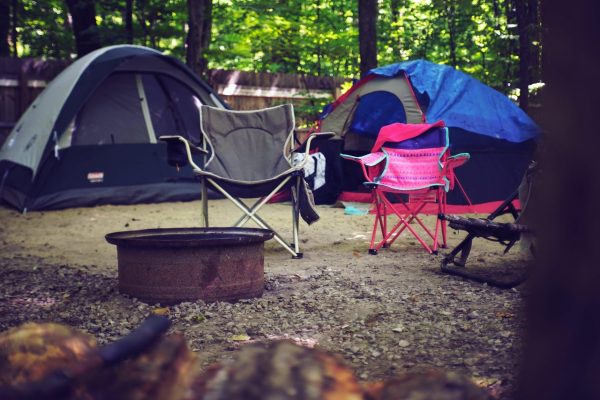
Of course, you also have more complex choices as well, and a very good example of them is camping. You can try renting gear for a camping trip as long as your family is interested in the idea, but if you ultimately want to try camping with your own gear, you have to know how many essentials you will need and the amount of money you will have to invest for it. Here’s an article, in case you know nothing about it!

When it comes to activities like these, renting for the first experience is probably the best approach, since getting all the equipment beforehand might end up being a bad choice, since there’s a chance someone in your family won’t like it!

What Home Inspectors Look for In Pool Inspection

A professional pool inspection is necessary before home buyers decide on buying a home that has a pool. The inspection is very important because those repairs get to be made, and any other problem that a pool may have is fixed. If proper pool inspection is not done, it is impossible to detect issues that a pool may have. Before considering your pool safe, make sure you get your pool safety certificates on the Gold Coast. As a homeowner or buyer, you must know what inspectors look for during an inspection. Here is an article to guide you on everything inspectors look for during pool inspection.

SAFETY OF THE POOL

The safety of a pool is the first and most important thing that inspectors look at. How do you know that your pool is safe? Your pool is safe if you have considered all the safety measures put in place. Safety aspects to be considered include keeping electrical wires away from the pool and ensuring that the walkaway near the pool is not slippery. These safety measures are a must to follow since any live wire around a pool can cause death due to shock. A slippery walkaway may lead to people falling accidentally into the pool.

INTERIOR OF THE POOL

Your pool’s interior is another factor that pool inspectors look at. During an inspection, inspectors look at the vinyl liners inside the pool. They check if the liners are still in check or need to be repaired. This is very important since it is costly to repair once the lining is torn. Inspectors also look at the plasters inside the pool. They ensure that the plasters do not have cracks, leading to a severe issue.

LIGHTING OF THE POOL

Pool lighting is very important, and it is another thing that inspectors look at. Inspectors must make sure that the lights in a pool are functioning. It is important to note that both old-fashioned light bulbs and the new LED lights are okay for use when it comes to light bulbs. Inspectors check if there could be any mold issues. They can also give you advice on the best type of pool lights that fit your pool perfectly.

SALTWATERS POOL

The good thing about saltwater pools is that they do not require much maintenance. This is because they are luxurious in that the pools have low levels of chlorine that need to be sanitized. Even though minimal maintenance is required for saltwater pools, inspectors need to offer them special attention in case of corrosion.

FILTERS

Even though various pool filters are used, they all have one primary function. This is to clean and sanitize the pool water. Pool filters are essential because your pool can be one big mess without one. Pool filters are another thing inspectors look at to ensure that your pool is always free from unnecessary dirt.

CONCLUSION

Although pool inspection will cost you, it is worth your money and time. There is no better feeling than the satisfaction that comes after knowing that your pool has been inspected and that it is safe for people to swim in it. Get your pool checked today.

Mistakes to Avoid During a Home Inspection


image credit

A home inspection is one of the most important steps in the process of buying or selling a home. It lets you know the condition of the home so that you can make more informed decisions. In a typical home inspection, you get to know the condition of major components of the home like electrical, cooling, structural and roof defects, etc. 

The home inspection report lists down all the major and minor damages so that as a buyer you can negotiate the price. As a seller, a home inspection report without much damages will improve the value of the home. However, many people make many mistakes during the home inspection process which costs them time and money. If you are a buyer and want to get your new home inspected, make sure you avoid the most common mistakes mentioned below.

1)Not knowing about the inspector:

To make your home buying process faster, you tend to give less importance to home inspection assuming that everything is fine. In this process, you just get the home inspection done without knowing much about the inspector in terms of his/her experience, certifications, and overall profile. 

If you don’t research about all these aspects, you cannot expect good service from them. All you need to do is research about them for just half an hour through their websites. For instance, if you want home inspectors in Delaware, search for  best home inspectors in Delaware and you will get several options. Open their profiles and read about them in detail to know about them.

2)Skip the live inspection:

The other common mistake most people do is not being present during the inspection. Reading the report alone is just enough, you have to be present during the inspection too. If you are present during the inspection, you will get to know how it’s been done and ask any question you have then and there itself. You can even remind them if at all they skip any components in your home.

3)Going for the cheapest inspector:

Quality doesn’t come cheap, this applies to anything including the home inspection too. If you hire a home inspector for the lowest price and just for the sake of getting it done, there is no use. You can better skip the inspection in that case. If your budget is low, try to get the best inspector at that price by researching a few of them. To be upfront, you can spend a little more than your budget because you don’t want to buy a house with hidden damages after spending loads of money on it.

4)Not preparing a checklist:

Home inspectors usually have a fixed pattern where they inspect limited components of the home. They mostly avoid inspecting tanks, pipes, and sewerage systems. If you can add them to your checklist, you can ask them during the inspection so that they don’t miss out on these. It’s better to opt for another inspector if your inspector is not willing to inspect these components.

5)Skim over the report:

Inspection reports are usually long which makes it hard to go through them entirely. But, as a buyer, you need to read it very carefully as you don’t want to miss out on something important. Find out all the issues that you can ask the seller to fix. Don’t even leave the smallest of damages as they can turn into a big mess in the future.

Conclusion:

Along with the above-mentioned mistakes, there are some other mistakes like avoiding exterior problems, relying only on the realtor for inspection, not knowing how a home inspection works and hesitating to ask questions to the inspectors, etc. So, before your home inspection, keep these points in mind and you are good to go.


Avoid These 6 Mistakes When Remodeling Your Kitchen

You are finally considering renovating and remodel your kitchen. Kitchen remodeling will allow you to correct flaws and functional issues facing your current kitchen model. When choosing a layout that fits all your needs, avoid these loopholes.

Overestimating or Underestimating Kitchen Space

When choosing a kitchen remodeling idea, please consider the available space. The kitchen island is popular with many homeowners because it solves function and flow issues simultaneously. However, the design requires much space failure to which will create more flow issues.

You may be tempted to fit the design in the available space, but don’t fall for it. Having an oversized island in a cramped space will reduce your movement to and from various food preparation and cooking areas.

There are other designs under the kitchen island, such as the rolling edge and waterfall edge. Go for the peninsular space-saving design if you want to avoid eating into the living room walls and adjacent areas. Consult an expert if you can’t decide what will work best for you.

Forgetting to Plan for Storage

It is sometimes possible to forget about storage space when planning for kitchen remodeling and renovations. Some kitchen layouts seem to solve function issues at the expense of storage. Always plan for designs that will optimize the available space. Pull cabinets hold your kitchen appliances, cleaning supplies, and other things eating into movement spaces. Another practical idea is installing kitchen appliances in cabinets to avoid spoiling the overall kitchen look. Always tell your kitchen designer all your needs for better space optimization.

Plan for Space Usage

Failing to consider how you will use the extra space is another pitfall. Your current kitchen doesn’t suit all your needs. That is why you want to remodel. Take time to figure out how everything will fit into place. Don’t be hasty when choosing a new remodeling idea, and use kitchen remodeling to your advantage by making the new space work for you.

Some families tend to assemble in the kitchen. A functional remodeling idea should allow for these family gatherings, whether it is sitting or standing space.

A house may contain grandparents, parents, and millennials who have different tastes and preferences. Find kitchen remodeling ideas that blend all the tastes, such as backsplashes and lighting. Consider a kitchen addition to the whole house if you want to take total control.

Don’t underestimate the power of features like lighting and backsplashes — it’s an easy way to tie the old and new spaces together.

Undertake Prior Research

Picking home remodeling contractors at random may cost you. Do thorough research before picking on any contractors. Look for those who have done real work locally, so you can always pop in and verify. When looking for remodel contractors nearby, start by asking neighbors for recommendations, visiting active job sites in your area, or search online for your local contractors to see their craftsmanship firsthand. Look for customer reviews if you are shopping for a contractor online. You can overlook one to two bad star ratings, but avoid picking on a contractor with a negative work fulfillment track. Remember what they will stick with you for at least a couple of years.

Factor in your project goals. A perfect kitchen remodeling firm should fit into your budget to achieve your timeline and give you enough project manager responsibility. Choose what is best between several general contractors or a single contracting firm having several in-house professionals.

Leave Room for Corrections

Everything has its flows, including the perfect kitchen remodeling ideas. You should therefore allow room for error. Piping and electrical wires matter a lot in the kitchen. The remodeling design you choose should allow you to correct any flaws or install new kitchen appliances in the future. This way, you will avoid a whole kitchen remodel in the future.

Failing to Consider Energy Costs

Kitchen appliances make up a whole chunk of energy bills. Homes can’t do without constant refrigeration, microwaves, dishwashers, and toasters. A good kitchen remodeling idea should factor in natural lighting such as large windows to cut down daytime lighting costs.

Kitchen remodeling is both functional and exciting. But while at it, don’t let the blood rush help you make kitchen remodeling decisions. Consider how to utilize the extra space and lower energy costs. Always conduct prior research to avoid all these pitfalls.

6 Ways To Save Money While Keeping Your Home Warm

Trying to cut your daily costs down can be hard, and it’s difficult to know where to start. One place you should consider looking is your living expenses, and how much you’re paying in energy bills per year. This is something that you could possibly change drastically, but it’s up to you to put in the extra work. We all waste energy to some extent when it comes to the appliances we use and depend on while we’re home, and you should be looking for ways to cut down on that.

Insulate

During the winter, it can be quite tough to keep the house warm, and as a result, you might find yourself keeping your heating on high through the colder season. You should be staying warm, but relying on your heating to do all of the work could be using more energy than you need to. Investing in better insulation and making sure your home is properly insulated all-around can do a lot more for you than turning up your heating. Less heat will escape, and you won’t need to have your heating on as high.

Wood burning

If you’re lucky enough to have a fireplace in your home, then you should put it to use when you can. Having to spend out on heating all of the time isn’t great for the wallet, nor is it any good for the environment. A better investment would be checking out Best Burn Firewood, and you can make your home more eco-friendly during the winter. Getting firewood doesn’t have to be a lot of effort, and a lot of firewood businesses would actually deliver it to your home – it’s never been easier.

Be more careful with your appliances

Another problem that many people tend to ignore is wasting their energy when they’re not home. Sure, keeping your home warm is important, but if you’re not there – there’s no one to benefit from that warmth. Keep your appliances off when you’re not there, and if you’re wanting to make sure you return to a warm home; you could consider investing in a timed thermostat. Setting the schedule to turn the heating back on around the time you’re home, that way you’re not wasting any energy while no one is home.

It’s more convenient to just leave things on most of the time, but when they’re not in use, you’re saving yourself in more ways than one. Not only are you cutting down on your energy usage, but you’re extending the lifespan of your appliances.

Invest in more rugs

While it might seem like an unhelpful solution, having more rugs in your home can contribute a lot to the warmth. Having more rugs in your home when it’s primarily wooden floors can help to keep the heat from escaping. Not only that, but walking around on cold wood floors can easily make you feel colder, and a rug is a great solution to that. It’s especially helpful if your floors aren’t insulated, a wooden or laminate floor is cold enough without the insulation, and you should be doing all you can to prevent the warm air from getting away.

Check your windows

A lot of the reason that you might find it more difficult to keep your home warm and have to turn up the heating is that the warm air is escaping in more ways than one. Windows are often one of the main problems when the seals that are supposed to keep them insulated have either started to wear or are not fitted properly. You should check to make sure that your windows are both fully functioning and also up-to-date. Single-glazed windows are quite common on old buildings, but they don’t do a lot to keep the cold from getting in.

Investing in new windows is going to set you back a bit at first, but it will be worth it in the end when you’ve saved a lot on heating bills.

Draught excluders

If you’re looking for a cheap alternative to fixing the draughts in your home, then you’ll want to invest in draught excluders. There are excluders in all shapes and sizes, and you’ll find them available for your windows and your doors. It’s not going to be as effective as having the seals fixed, but it saves you the trouble of having to have someone come and do it and the money that it might cost for the maintenance. If you have single glazed windows, then this may not help.

The Importance of Towels to a Bathroom

Towels might seem like a minor addition to a home, but they are essential when it comes to drying us unless we prefer to dry the natural way. Most of us, however, do not have time for that. Therefore, we invest in luxury towels that will take care of it. Naturally, we will seek out white towels, which have the advantage of letting us know when they need washing because they will show all the dirt up. Aesthetically, too, white gives off the look of cleanliness and will match with anything.

With the practicalities and the look of towels in mind, we shall now explore towels to greater depths.

The Practicalities of Towels and How They Prevent the Spread of Germs

Towels are important as an aid to drying. Despite the increasing availability of antibacterial soaps and hand dryers, drying your hands using towels is an effective step towards preventing germs from spreading. Towels have proven to be more effective and to work better compared to other formers of faster drying when it comes to removing more water.

One of the reasons towels prove effective for drying is because they are extremely absorbent and many of us cannot wait for a hand dryer to get our hands completely dry. We then tend to go about our business with them still wet.

A Protector of Modesty

Towels are an excellent protector of modesty after showering or bathing and before someone is ready to step back into their clothes. You should never re-enter your old clothes, or a brand-new set of clothes, with your body still wet.

A wet body can not only become uncomfortable but also risks hypothermia when the weather is freezing.

Clothing if wet for too long will begin to form mold. So, it should always be hung out to dry or put in a dryer to ensure that this does not happen.

A long towel can hide us from the outside world while our wet body has a chance to dry. If you want to avoid too much rubbing and friction of your skin and desire to take a step towards natural drying, then you will want to wait for the towel to absorb the water by itself.

Some might use several towels and want them to match. White is a popular choice because most whites will look the same. If they do not, then you have cream or a dirty towel.

A Nice Aesthetic Look to a Bathroom

Matching towels can create a nice aesthetic look for a bathroom. White towels can light up the bathroom instead of making it darker. They just seem the right hue for a bathroom somehow. Alternatively, if you want to avoid others in the household getting towels mixed up, particularly when there are children around, then we might want to go for different shades as well as sizes. Then they will need to complement each other effectively to create the desired look. We can have them blend in with the rest of our bathroom in terms of their shades.

If we all like white, then you could always look to apply name labels to your towels. It is pleasing to know that you are not having to share your towel, even when perfectly clean.

It is clear to see how important towels are to a bathroom. They are useful after showering to grab quickly. They will absorb the water and moisture from our hands and body effectively. Towels are more efficient than supposed quicker methods that leave some water behind. Towels are hygienic, practical, and nice to look at.

We will want to buy a new set of towels that represents luxury and reflects the mood and design style of our bathroom. This is entirely achievable when there are options to choose from online and to compare against your bathroom. It is good to decide while you are using your towels. You might not want your laptop inside the bathroom for long, because of the steam, but you can make your decision about which towels to go for inside the adjacent room, or the garden if you have a good wi-fi signal and plenty of towels to protect your modesty.

How to Clean Baffle Filters?

Do you know ways to clean the baffle filter on your oven hood? Grease is caught as air passes over the interconnecting metal grooves with baffle filters, which are commonly composed of ss metal or alloy. It is critical to wash baffle filters on a regular basis to keep them from blocking, limiting air circulation, and perhaps creating a fire danger.

Cleaning hood filters monthly, if not regularly, is the greatest approach to keep the ventilation system in good working order. Furthermore, fire code requirements demand that filters be cleaned regularly and in excellent operating order.

What is Range Hood Baffle Filter?

The most effective vent hood filtering on the marketplace are vent hood baffles. Those filters are designed specifically for ducted kitchen hoods and are not suitable for returning or freestanding range hoods.

Steel baffles are popular among homeowners due to their attractive look as well as their efficacy in grease filtering and minimizing the chance of kitchen accidents.

Baffle purifiers are often constructed of complete stainless-steel panes, although they can also be built of aluminum. Such filters are made of interlocked baffles or bumps that trap oil when the air flows past them fast. These are more robust than other configurations, and every baffle, unlike regular net filters, is recyclable.

When should you clean?

Many people overlook cleaning the vent hood filters, although doing so can have a negative impact on the indoor environment. A badly greasy cooktop and duct might cause a burn, in contrast, to simply not operating as effectively (lower airflow).

Routine maintenance of your vent hood baffle filtering, on the other hand, may make the possibility of a ductwork fire exceedingly improbable.

If your vent hood baffle filtering isn’t working properly, you may clean them. If you find that the vent hood isn’t expelling much more air like it once did, or this is noisier than usual, it’s time to wipe it.

According to fire code standards, you must preserve your restaurant baffle oil filters fresh and in excellent operating condition. The only method to keep hood filters from becoming excessively blocked with dirt is to thoroughly clean them.

How to clean it?

Although dishwasher-safe, we prefer to hand-wash vent hood baffle filtration. Even before cleaning the filters, it’s a smart option to properly examine it for cracks, degradation, or other signs that needs to be changed.

Baffle filter cleaning should be done on a regular, biweekly, or even frequent basis, based on your heating volume. Among the most efficient cleaning procedures are:

Hand washing: After carefully detaching the filters from the vent, put that in a basin full of hot, detergent water and clean with only a non-abrasive cloth or scraper. Chlorine or other corrosive materials should be avoided.

Dishwashing: This approach saves time and performs well with movable hood filters. Upon being removed from the exhaust, the filter is washed inside certain high-temperature dishwashing with dish soap.

Soaking: Load a hood filtration system soak tank using water as well as a non-corrosive, metal-safe cleaning intended for baffle cleaners. This approach saves time because you can usually put up to 6 in the container and immerse them overnight.

When to replace?

It’s definitely necessary to change the vent hood screens if the baffle cleaners have dings, cracks, tarnish, or other indicators of corrosion.

Cooking produces a very acidic atmosphere for baffle screens, and steel is susceptible to these corrosive compounds. Baffle filters may last ages or only a few months, based on how frequently you cook.

If your cooktop isn’t operating properly and you notice indications of deterioration on the filtration systems, it’s time to change the baffle filtration to improve hood efficiency and lessen the fire hazard.

Final thoughts:

Now the filters are cleaned, your vent hood will run more effectively and safely.

Washing any baffle filters again on a regular basis depends on how much you cook, however cleaning them at least once over 60 days seems a recommended habit.

If your vent hood is noisier than usual, or unless it doesn’t drain as effectively as it should, while there are obvious traces of dirt, it’s time to wash it. Contact us today for hood cleaning service.

What’s the most dangerous room in your house?

Accidents can happen anywhere in the home and, in fact, the house is the most common location for an accident to happen. With more people spending time in the home in the past couple of years, this could have led to an increased risk of having an accident.

We’ll take a look at the most dangerous room in the house, the people who are more likely to suffer an injury as a result of an accident in the home, as well as some of the most common accidents.

The kitchen

According to a survey by National Accident Helpline, the kitchen is the room where you’re most likely to injure yourself, with 60% saying they’ve suffered after having an accident there. This is perhaps no surprise, especially as knives are cited as the biggest cause of injury in the home. Causing injuries ranging from minor cuts to deeper wounds needing hospital attention, these kitchen utensils could be the most dangerous equipment in the house.

The garden

Not strictly a room, but still part of a household, the garden was revealed as the second most common site of an accident. 33% had suffered an injury in their outside space, with trips and falls dominating. Whilst it might be difficult to prevent all accidents in the garden, particularly as it’s a place where children commonly enjoy playing, it’s worth making sure your outdoor area is as free as possible of potential hazards.

Exercise equipment

33% of those surveyed said exercise equipment was the cause of their home accident. With many of us working from home and lockdown having created the demand for home gyms, this could be behind the findings.

When using exercise equipment in the home, it’s important to make sure you know how to operate it correctly and to not exert yourself to help prevent accidents.

The safest rooms

According to the survey, the place in the home where you’re considered the safest is the attic, closely followed by the garage. However, this could be because residents spend the least amount of time in these areas.

Injuries by age

One of the most surprising findings is that older age groups are less likely to injure themselves more than once. It’s the 35-44-year-olds who have the most injuries with 83% having multiple accidents.

It’s important to be aware of potential hazards and risks in the home, as much as you would elsewhere. It’s often easy to be carefree in the comfort of your own surroundings but, as we’ve highlighted, accidents even more likely to happen there, compared to anywhere else.

Keys to keeping your plants healthy

The frustration of watching a beautiful plant turn yellow, wilted, and droop wearily is unmatched. Unless you have a track record of failing those green babies, seeing your plants deteriorate despite all the love, affection, and care you’ve given them can be downright mystifying. If we’re being honest, the dying phase of plants turns most of us desperate as we attempt to frantically revive them with loads of nutrients, hydro love, and immense fertilizing. Half of the time, these attempts barely ever hold; if anything, they further overwhelm your plant. So, what now? Should you sit back and watch your plant turn lifeless? Or perhaps give up altogether and dye your thumbs black? Quite frankly, there’s no top-secret code to crack when it comes to keeping your plants and garden lush and healthy, just a few tips and tricks to learn as you go along the way.

Six tips to keeping plants healthy

Whether you’re a plant lover, a garden owner, or simply a décor enthusiast in the throes of sprucing up your indoor spaces with a touch of greenery, healthy plants will always bring the A-game. Luscious leaves, succulent stems, thriving roots, and budding new growth are enough to have anyone green with envy, literally. Here’s the hitch, giving your plants what they need when they need it isn’t the most straightforward concept to grasp. Considering each plant species differs in demand, general determination of how much is too much and how little is too safe is nearly impossible. However, specific practices will have any plant flourishing; ahead, we break down six of them.

Know your plant

When we buy plants from the nursery, they come with tags pointing out the requirements and conditions to help your new addition thrive; take them with a grain of salt. These model recommendations often work with optimum states, which aren’t practical and synonymous with most homes and gardens. That said, ignore these nursery-drawn guidelines in lieu and take responsibility for learning your plant and understanding its needs. Dig through your favorite gardening journals and websites to finetune your provisions to your plants and environment.

Understand the fertilizer game

Of course, we all know the moisture, air, and sunlight drill, although sometimes, that is never enough; this brings us to the debate- why should you use fertilizers? Like the rest of us, plants struggle with deficiencies that are often ascribed to the soil’s health or nutrient supply. Much as they may be, autotroph plants still need an occasional boost in their dietary plan, and that’s where fertilizers step in. When the dual soil and nutrient factors are shorthanded, fertilizers offer a

supplementary crutch to ensure that your plants get the adequate nutrient supply necessary for healthy growth.

Pay attention

Plants speak without speaking. Ideally, 90% of plant complications are detectable by close observation; small details like streaks’ appearance, color change, and texture might be a cry for help. As such, you’d want to pay keen attention to the physical appearance of your plant and make a frequent examination of its anatomy. Ensure you check the soil for dehydration now and then and inspect the leaves for mildew, yellowing, or browning. Also, assess the stem’s suppleness and pry for holes to bust pests before they flare up into diseases.

Prune and clean up the fall

Wounded and damaged tree limbs are susceptible to infection, so you’d want to stay on top of your pruning game. Cut back any problemed parts of your plant as soon as you spot them to prevent further spread into the plant’s new growth. Essentially, clean and sharp cuts are the best way to go, especially when striving for healthy, living tissue. In addition to pruning, we recommend consistent clean-up of your garden or pot in the fall and beyond. Build up of dead leaves and debris tends to create a breeding ground for disease and pests, threatening new growth and foliage.

Wrapping up

Coinciding with the requisite growth triangle of plants is only half the job done; there’s still a lot of complimentary work to do to grow out a wholesome garden. The key takeaway from all the known gardening experts and sources is this- keeping and growing healthy plants is a full-time responsibility, therefore, not a decision to rush into blindly. Educate yourself, do your research and settle on a plant species that aligns with your time and effort. If you’re not one to be consumed by plant parenting, go for the low-management species; something less demanding would be a better suit than having to calm the crippling guilt of getting a new potted Monstera every month. All in all, don’t sweat it; ease your way into the “healthy plants” bandwagon one step at a time.