Essential Factors to consider when choosing the Best Plumbing Service

Emergencies with plumbing can happen at any moment, and this is when you’ll need Adept Plumbing and Gas South Brisbane (or a company in your area) to arrive and make things in order. While homeowners can handle simple tasks, specific tasks require a skilled approach. If you’re fortunate enough to have a plumbing expert you’ve known for some time, that’s great. You need to think about some things before selecting the right Plumber Sydney for your plumbing needs. Any good plumber will be able to solve your residence or commercial space’s plumbing issues. Here are some top considerations to keep in mind while appointing a professional plumber.

License

The first thing to look for is a plumbing contractor’s license. They must display their license number and their details in a manner that is appropriate on their vehicles, as well as advertisements to demonstrate that they have been certified by the state of Australia to carry out their business. Plumbing licenses will also guarantee that you get a high-quality service and attention to the details of your plumbing problems. If any issue following the project is done, inquire whether your plumber can provide warranty-free services.

The second consideration is scheduling the time you will spend with the plumber is crucial, especially when you’re working and can’t be at home all day. The plumber you select must be flexible enough to resolve your plumbing issues when you are in the area. They must also be able to assist your needs in times of emergency, as most plumbing systems could result in an even bigger mess.

Experience

Licenses and schedules are crucial; however, so are the skills and experience. The plumbing work is a complex one and requires various pipes, tools, and methods to be taken care of. They may cause home damage if they are not dealt with appropriately. Choose a blocked drain Plumber who has been in business for a long time and is familiar with various unusual or unexpected plumbing issues. A skilled plumber will be trustworthy and want to keep their customers satisfied so that they can get more work. They’ll leave the

area as clean as they did before finishing the job and make the necessary repairs, such as applying plaster to the floor or walls.

Warranty

Always ask your plumber whether they offer a guarantee on their services. Most people must be responsible for any additional plumbing issues, even though their inattention could have led to the resulting problem. A reputable plumber will provide free follow-up plumbing services.

Total Cost- Two ways that plumbers can cost you

They might offer an upfront price that will include all costs required for completing a project or demand hourly rates. If the problem is long-lasting, it’s best to consider a flat rate since hourly rates are costly.

So as you can see, there are various factors to be aware of while hiring a plumber. Hiring the right plumber is crucial for the overall effectiveness of the plumbing systems. Let’s hope that you will find the right plumber by considering these aspects.
What to Put in Storage and What Not to Put in Storage

It can be a headache to move from one place to another. This is a transitional stage in which you must decide what things you will be taking with you, and the things you plan on discarding or putting into storage. You will also need to decide what to do with the various pieces of furniture you own, in addition to all of the personal items you’ve collected over the years.

Things to Put into Storage

Ocoee self-storage facilities and other places allow you to store quite a few things, including furniture in their facilities. Deciding what to put into storage can be a hard process to get through. You may be left with a long list of items that you don’t plan on taking with you. To help you come up with an informed decision, here are the things you should put into storage at any time.

 Furniture is one of the most commonly stored items in storage units. This is because furniture is mostly bulky and tends to take up a lot of space. You may not have much space in your new home to put all of your furniture. Or, your current furniture may not match the interior of your new home.

Seasonal Items

Seasonal items including shoes, clothing, and accessories are one of the most common items that people put into their storage units when moving because they won’t need them until the following season. Until the next season arrives, you will have a lot of time to figure out what to do with all of the items you stored away.

Large Household Appliances

This includes washers, dryers, dishwashers, kitchen stoves, and refrigerators. These things are bulky, heavy, and take up a lot of space in a new home. If you are moving into a temporary house, you will be moving out again soon. It only makes sense to put them up until you can get back to them again later.

Documents and Files

Be sure to keep your most important documents with you when you move. However, documents and files that are not important but you are still holding on to, can be put into storage until you are able to properly dispose of them. This may include medical records, financial documents, etc.

Magazines and Books

No matter how small your place is, you should definitely have some books in it. However, your new living arrangements may not allow you to move all of your magazines and books, so it is typical to move some of them into storage.

Artwork and Collectibles

Artwork pieces and collectibles are some of the most common things that get stored away while moving. After all, people only want to ensure that their highly valued items are deemed safe.

What Not to Put in Storage

Here is a list of things that you should avoid ever putting into storage for safety reasons.

Food

You are not allowed to store any type of food item in your storage unit, so it’s important you abide by this safety rule. Food items can attract rodents and insects, which can result in a full-blown infestation.

Plants

Plants should never be put into storage units because you would be depriving them of their need to grow, water, natural light, and fresh air. It would obviously mean the end of life for your plants. Additionally, plants can attract pests.

Animals

There’s never a good reason to leave any live animals in your storage unit. This is morally wrong, and against the law to do so.

Top 7 Reasons to Work With a Competent Architect

An architect is a professional who is responsible for the design of buildings and other structures. Architects are highly trained and licensed professionals who have a deep understanding of design and construction principles. They use their knowledge to create innovative, functional, and aesthetically pleasing buildings that meet the needs of their clients.

There are many reasons to work with a competent architect. Here are some of the seven most important ones:

1. Architects Have the Training and Experience Needed to Design Safe and Functional Buildings

Architects undergo years of training and education before they are licensed to practice. During their studies, they learn about design, construction, and safety principles. They also gain experience working on real-world projects, so they are the right people to have more questions to ask. It gives them the knowledge and skills needed to design safe and functional buildings that meet the specific needs of their clients.

2. Architects Can Help You Save Money

Working with an architect can help you save money. When they’re offering their drafting services melbourne (or elsewhere more relevant) they’ll help you to make informed decisions about the specifications you want going down on the building plans, this can range from the materials used to the construction methods used in order to get the highest quality outcome possible. Their experience can also help you avoid making costly mistakes. In the end, their services can help you save time and money.

3. Architects Create Buildings That Are Built to Last

When you work with an architect, you can be confident that your building will be designed to stand the test of time. Architects use high-quality materials and construction methods to create structures built to last. Additionally, they consider the changing needs of their clients to ensure that their buildings can be easily adapted as needed.

4. Architects Design Buildings That Are Aesthetically Pleasing

Another benefit of working with an architect is that they can help you create a building that is functional and aesthetically pleasing. Architects have a deep understanding of design principles and can create buildings that are both visually appealing and structurally sound.

5. Architects Can Help You Achieve Your Goals

When you work with an architect, you will have a partner committed to helping you achieve your goals. They will work with you to understand your specific needs and desires. They will then use their knowledge and experience to create a design that meets your needs.

6. Architects Offer a Wide Range of Services

In addition to designing buildings, architects also offer a wide range of services. They can provide feasibility studies, construction management, and more. They can assist you at every stage of your project, from initial planning to completion.

7. Architects Are Licensed and Regulated

When you work with an architect, you can be confident that they are a licensed and regulated professional. To become licensed, architects must complete extensive education and training. They must also pass a rigorous exam. Additionally, they are required to adhere to a strict code of ethics. It ensures that they will always put your best interests first.

Wrapping Up

As you can see, there are many reasons to work with a competent architect. They have the training and experience needed to design safe and functional buildings. They can also help you save money and achieve your goals. If you are looking for someone to assist you with your next building project, contact a licensed architect in your area.

Which Windows Are Best for Home?

When looking for windows for your home, you have a few different options. You can choose from single or double-hung windows, casement windows, awning windows, picture windows, or sliding windows. But which one is the best option for your home?

The answer largely depends on your personal preferences and the specific needs of your home. For example, if you live in a historic home, you might want to choose windows that match the style of your home. Or, if you live in a humid climate, you might wish to have windows that are easy to clean and won’t corrode. Below are some of the best windows for your Sunderland home:

1- Single-Hung Windows

Single-hung windows are a great choice if you’re looking for an affordable window option. They’re also easy to operate and maintain.

2- Double-Hung Windows

Double-hung windows are similar to single-hung windows, but they have two sashes that open and close. It makes them an excellent choice for rooms that get a lot of natural light, as you can open both sashes to let in the breeze.

3- Casement Windows

Casement windows are hinged on one side and open outward. They’re an excellent choice for difficult-to-reach areas, such as over the kitchen sink.

4- Awning Windows

Awning windows are hinged at the top and open outward. They’re an excellent choice for rooms that need ventilation, but you don’t want to sacrifice natural light.

5- Picture Windows

Picture windows are large, fixed windows that provide a clear view of the outdoors. They’re an excellent choice for living rooms and bedrooms.

6- Sliding Windows

Sliding windows are easy to open and close, making them an excellent choice for rooms with a lot of natural light. They’re also a good choice for small spaces, as they don’t take up much space when opened.

How do you choose windows?

There are a few things to consider when choosing windows for your home. Below are some factors to keep in mind:

· The size of the window: Make sure to measure the opening before you purchase a window. You’ll also want to take into account the trim around the window.

· The style of the window: Choose a window style that compliments the architecture of your home.

· The material: Windows are typically made from wood, vinyl, or aluminum. Each material has its benefits and drawbacks.

· The price: Windows can range from a few hundred dollars to several thousand dollars. Choose a window that fits your budget.

· The warranty: Make sure to read the warranty before purchasing a window. Some manufacturers offer warranties for up to 20 years.

· The energy efficiency: Look for windows that are ENERGY STAR certified. These windows will help keep your home cool in the summer and warm in the winter, saving you money on your energy bills.

No matter which type of window you choose, be sure to get the energy-efficient ones. Look for windows with multiple panes of glass and low coatings. These features will help keep your home cool in the summer and warm in the winter while also reducing your energy bills.

Conclusion

There are a lot of factors to consider when choosing windows for your home. But the most important thing is to select the windows that best suit your needs and the specific needs of your home.

Organize the Fruits and Veggies in Your Garden with Custom Signs

You can use custom signs in your garden in one of various ways. Whether you regularly garden or are trying to develop a green thumb, you can use the signs to organize your cultivations or to showcase a garden-related saying.

Plant Signs to Keep You Organized

Plastic garden markers are great additions, as you can easily position them or move them as you wish. By organizing your garden space with signs, you can conveniently find what you’re growing and harvesting and can also make watering or fertilizing a simpler activity.

For instance, some plants require more hydration than others. So, if you have signs in your garden, you’ll have a better idea how to schedule watering times. You can also do the same if you plant a flower garden. In either case, installing signs makes planting and harvesting more manageable activities.

Use Signs to Educate Young Gardeners Some gardeners who host garden clubs, or teachers who teach horticulture, like to use garden signs to introduce students to plants and help them establish garden plots. While you might eye a plant and know it by sight, signs still help direct you to it. They also assist you in identifying spaces that have just been planted with seeds or seedlings.

Add Signs as Reminders

You can also personalize the signs to remind you of watering times or when to fertilize. For example, you might add the name of the plant and include a reminder such as “Water twice a week” or “Add fertilizer monthly.”

Include Signs to Identify Plant Species

Maybe you raise different kinds of tomatoes or several types of lettuce. If so, you can use custom garden signs to differentiate between the plants. Besides the above-mentioned plastic markers, you can purchase signs in materials such as bronze, copper, stainless steel, titanium, or bamboo.

Choose the Size of Your Sign

Choose signs in various sizes as well. Some popular selections come in sizes such as 4” x 2” or 6” x 4.”

Personalize Your Garden Spot

Maybe you want to add a marker that personalizes your garden spot. You might think of adding a sign that says, for instance “Emma’s Garden” or one that describes the garden, such as “Gardener’s Paradise,” or “The Veggie Patch.” Post the sign on a tree, a wooden fence, or a bench.

Christen Your Garden’s Arbor You can also use the signs to name fruit arbors in your garden. For example, if you have apple trees, you might name the fruit arbor, “Johnny Appleseed Orchard.” You can also install signs that describe the types of apples grown.

Add Fun or Witty Expressions

Some gardeners use signs that feature expressions like the following:

● Gardeners Follow a Different “Beet” than Others

● Therapy Zone

● Urban Oasis

Get Organized: Review Customized Garden Signs Online

You can use the signs outside or include them in your home if you practice vertical gardening or grow houseplants. Adding signs makes gardening fun, educational, and inspiring. Take a look at the signs featured online today.

4 Renovations that will Make Your Home More Desirable to Prospective Buyers

Are you looking to sell your home in the near future? You may want to consider completing some renovations like kitchen and bath remodeling, before putting it on the market. This blog post will discuss four home upgrades that are sure to make your house more desirable to prospective buyers. Keep reading for information on each renovation and how it can help you sell your home faster and for a higher price!

1) Renovate your kitchen

A kitchen renovation is one of the most effective ways to increase the value of your home. However, if your kitchen is outdated or in poor condition, prospective buyers will likely be turned off. A new kitchen can cost anywhere from a few thousand dollars to tens of thousands, but it’s an investment that will pay off when you sell your home.

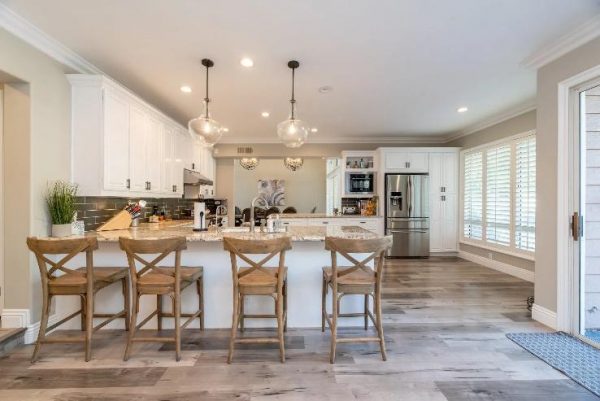
A well-designed and updated kitchen will make your home more attractive to buyers and help you sell it faster and for a higher price. Plus, if you love cooking, a newly renovated kitchen will be a joy to use. To start, you’ll want to assess your current kitchen and make a plan. Are there any major problems that need to be addressed, such as water damage or structural issues? Once you’ve identified the work that needs to be done, you can start planning your new kitchen.

Think about the layout, appliances, countertops, backsplash, and other details that will make your dream kitchen come to life. Changing even one of these can make a a big difference in the look of your kitchen, and there are many styles and colors to suit any aesthetic. If you’re not sure where to start, consider hiring a kitchen designer to help you create the perfect space. If you’re working with a limited budget, there are still ways to give your kitchen a fresh look. Start by painting the walls and cabinets; this will instantly brighten up the space.

You can also replace old hardware, add a new backsplash, or install new countertops. If you have the budget for it, upgrading your appliances is another great way to increase the value of your home. New appliances will not only make your kitchen look more modern, but they can also improve its function. For example, if your current fridge is small and outdated, replacing it with a newer, larger model will be a major selling point for buyers.

2) Update your bathrooms

Like the kitchen, bathrooms are another important selling point for buyers. If your bathroom is outdated or in poor condition, it will likely turn off prospective buyers. A bathroom renovation can be a major undertaking, but it’s worth the investment if you’re looking to sell your home.

Start by assessing the condition of your bathroom. Are there any major problems that need to be addressed, such as water damage or mold? Once you’ve identified the work that needs to be done, you can start planning your new bathroom.

Think about the layout, fixtures, finishes, and other details that will make your dream bathroom come to life. If you’re not sure where to start, consider hiring a bathroom designer to help you create the perfect space. If you’re working with a limited budget, there are still ways to give your bathroom a fresh look.

3) Add a Fresh Coat of Paint

One of the most important and cheapest ways to increase your home’s value is by giving it a fresh coat of paint, both inside and out. A new paint job can work wonders in making your home feel more modern and updated. If you’re not sure what colors to choose, consider consulting with a professional color consultant or looking at popular home design magazines for inspiration.

When selecting paint colors, it’s important to keep in mind that potential buyers will have different tastes than you do. For example, you may love that bright red accent wall in your living room, but it could turn off some buyers. So instead, opt for more neutral shades that will appeal to a wider range of people.

If you’re not planning on selling your home anytime soon, that’s okay. A fresh coat of paint can still be a great way to give your home a much-needed update. It’s amazing how different a space can look with new paint, and it can be a fun weekend project for the whole family to enjoy.

Picking out the right colors is just one step in the painting process. You’ll also need to decide what type of paint finish you want. High-gloss paints are very durable and easy to clean, making them ideal for areas like kitchens and bathrooms. However, they can also show imperfections more easily than other finishes. If you’re not planning on doing any major prep work before painting, matte or eggshell finishes might be a better option.

Once you’ve selected your colors and finish, it’s time to start painting! If you’re not comfortable tackling the project yourself, there’s no shame in hiring a professional painter. Just be sure to get multiple estimates before making a decision.

4) Build a deck or patio

If your home doesn’t already have a deck or patio, now might be the time to add one. These outdoor living spaces are becoming increasingly popular with homebuyers, especially those who enjoy entertaining.

Building a covered deck is a relatively inexpensive and straightforward project that can make a big impact on your home’s value. However, if you’re not sure where to start, there are plenty of online resources and books available to help you plan and build the perfect deck for your home.

Once you have your deck built, don’t forget to add some furniture and decorating touches to make it feel like an inviting space. Outdoor rugs, cushions, and throws can all help turn your deck into a cozy oasis. And if you really want to impress potential buyers, add a few string lights or lanterns to create a warm and inviting atmosphere.

No matter what route you decide to go, adding a deck or patio is a great way to make your home more appealing to buyers. Just be sure to do your research and plan ahead so that you end up with a space that you love.

In conclusion, remember that these home renovations will not only make your home more desirable to buyers, but they will also add value to your home. And when it comes time to sell, you’ll be glad you made the investment.

Top 5 Ideas to Improvise Your Landscaping on a Budget

For any gardener who’s looking to spruce up their lawn for the coming season, always remember that you don’t have to spend much! Most gardeners often mistake high costs and installations for good quality results. However, landscaping on a budget can yield the similar results; you just have to get creative. Click Here to get ideas on how to improve your landscaping.

Top 5 Landscaping Tips on a Budget

Achieving a beautiful lawn doesn’t mean you have to break the bank. With the use of locally-sourced materials, dealing with community florists, and clever planning and plotting, you too can

transform your garden into a paradise. Begin your landscaping on a budget journey with these cost-effective tips:

1. Minimize Lawn Size

Lawn weeds are a common problem for all gardens. They also pose a more expensive threat for bigger gardens that needs constant tending and weeding. So, instead of spending unnecessary funds for garden weed control, why not try reducing your allotted garden space?

This way, the weeds, and general health of your plants will be easier to manage. And, for you to maximize the reduced garden site, you can remove a blocking tree that consumes much space. You can contact companies near you like davelundtreeservice.com to help you out. For a cheaper way to get rid of weeds on your own, you can lay down newspapers or landscape fabrics and cover them up with mulch.

This process will block out the sun while providing extra fertilizer for your garden. Reducing weeds may be a good way to broaden your reduced space. However, having biodiversity in your lawn can greatly help in maintaining a balanced and healthy garden. By purchasing cheap, local, and beneficial weeds such as clover, and wild violets, you’ll spend less money on preserving your garden’s health.

2. Water Feature DIY

Fountains, ponds, waterfalls, and grottos are a great way to spruce up your lawn. However, installation fees don’t have to be expensive. You can always go the DIY route, roll up your sleeves, and release your creative energy towards landscaping. Doing so will not only be cheaper, but more enjoyable as well. A good way to begin your water-feature project is to create a blueprint. Once you’ve got that, you can move on to purchasing inexpensive pumps and pond liners that are easy to install. You can also get free stones from construction sites to build miniature waterfalls. Broken pots and plant containers can also be used as ornamental elements.

3. Shop for Cheaper Seedlings

Shopping for on-sale plants that are drought-resistant and water-efficient is like hitting 2 birds with 1 stone. You get to save money during your plant shopping spree while cutting on the water bills. Keep in mind that cheap doesn’t equate to inferior plant varieties.

Local garden centers that have grown the seedlings themselves offer them at a more affordable prices since you won’t have to pay for delivery and transportation. If you want to create a natural border for your lawn, you can also purchase affordable privacy trees from a Mississauga nursery.

4. Create an Irrigation Plan

Water bills are among the top maintenance cost of gardening. For your lawn to stay lush and blooming, it has to be watered daily. However, any unmanaged irrigation in Toronto could lead to skyrocketing bills, flooding, lawn damage, and more repair costs. To avoid this, it’s best to create an irrigation plan, where you can plot some canals, drainage pipes, and ducts around and across your garden.

Investing in an automatic watering system may be expensive at first, but it will save you more flooding repair costs in the long run. You can also try xeriscaping to minimize your water use. This landscaping method utilizes drought-resistant plants that require less water. Such gorgeous plants include the mumstead lavender, honeysuckles, hens and chicks, blue fescue grass, Russian sage, purple smokebush, and salsa red Echinacea.

5. Utilize Biodegradable Pots

Clay pots have always been the trend for garden landscaping. With its elegant and rustic design, it can easily boost your garden’s aesthetic appeal. However, the more intricate their designs and the bigger their sizes, the more expensive they are. For a gardener who’s on a budget, splurging on these brittle ceramics may be an unworthy investment. Instead, why not try exploring other materials that you can use for your pots?

Inexpensive containers made of cemetery logs, yogurt containers, plastic bottles, wooden crates, coffee bags, mason jars, and more, are very eco-friendly and easy to procure. Not only that, but you also have the pleasure of decorating them, making your landscaping project more personal and enjoyable.

From using unconventional materials, and flora exploration, you too can achieve your dream garden. You don’t need to worry because you won’t be settling for a shabby lawn with these landscaping tips. You just need your shovel, gloves, hard work, and dedication, and soon your garden will be lusciously blooming for seasons to come.

Materials for Your Deck: 5 Options to Consider

Choosing the right material for your deck can be difficult if you don’t know where to start. Even harder is choosing a material that meets your aesthetic and construction requirements. The first step in deciding on decking materials is knowing the pros and cons of each one. This way, you’ll be able to make an educated decision to have the deck you always wanted. To help you decide better, we’ve put together this guide with helpful tips on different deck materials to get you started.

Cedar

Cedar has a warm, welcoming look that can be enhanced with stain or sealant. It is lightweight, so it can be carried and installed by one person, and it also resists warping and shrinking—a potential problem with composite wood. Cedar is also naturally insect-resistant, so you can enjoy your deck season after season without worrying about termites or other destructive pests. However, cedar does require annual maintenance to ensure that it lasts as long as possible, according to Soto Bay Construction cedar is one of the coolest woods because it doesn’t absorb the heat and keeps your feet cool even in the summer.

Pressure Treated Wood

Pressure-treated wood is a traditional option for decks and one of the most common materials used for budget decks. It is a softwood, meaning it’s not only affordable but also easy to work with. It is also infused with chemicals that protect it from rot and insects and exposure to moisture. Treated lumber comes in various grades and levels of decay resistance, so be sure to choose a lumber grade appropriate for your project’s exposure level. Pressure-treated wood may show surface checking when exposed to sun and weather, but this will diminish over time as the wood weathers to its natural color. Generally speaking, this wood can last up to 40 years before necessary replacement. However, this depends on the climate and how well it’s maintained.

Aluminium

Aluminium has gained popularity in recent years and is considered one of the best due to its affordability and durability. It’s also eco-friendly because it doesn’t require any maintenance like painting every few years, making it perfect for people who don’t have time to worry about the upkeep of their outdoor areas. Aluminium decks are also very lightweight, so they’re easy to move around if necessary – this makes them ideal if you’re renting an apartment or house without much space outside but still want some entertainment in your home.

Tropical Hardwoods Tropical Hardwoods like Ipe and Garapa are typically considered the most durable. They are also one of the most expensive materials, but they have advantages. Hardwoods are extremely dense, making them very heavy, adding to their durability. They also have natural oils that protect them against moisture damage. Because these woods contain natural oils that resist moisture and rot, they do not need topical coatings or finishes to keep them in good condition.

Conclusion

Picking out the best decking materials can be difficult, considering there’s such a wide variety from which to choose. However, hopefully, this post has helped you narrow down your search and give you the knowledge you need to buy with confidence. You’ll be on the path to a beautiful new deck in no time!

7 Steps to Take After Your Home Has Been Broken Into

Unfortunately, break-ins are surprisingly common crimes. In the US alone, there are almost three burglaries every minute. Most of these occur during the day, which is when you and your family are likely out at work or school. 

Coming back to your home and discovering that someone has broken in can be incredibly distressing. Your home is where you’re supposed to feel safe and comfortable, but a break-in can ruin all of that. However, there are steps that you can take to mitigate the pain of this event.

1. Call the Authorities

It’s difficult to think clearly when you’ve just discovered that your home has been broken into, but now is the time to act. The sooner you take practical steps, the more quickly you can move on from this. 

With this in mind, you should act immediately once you’ve discovered that your home has been broken into. The first thing you should do is to call the police. Explain what has happened and an officer should arrive soon so that you can make a police report. 

If the police are involved immediately, then they might be able to find the perpetrator. However, don’t get your hopes up. Often it’s very difficult to recover your possessions this way. Calling the police will help your insurance claim though, so it’s always recommended.

2. Don’t Disturb the Scene

Your initial instinct will likely be to clean up the mess left behind by the break-in. It’s natural to want to make your house a home again. However, this isn’t a good idea. If you go around touching things and tidying up, you’re removing any evidence of the break-in. 

Remember that this is a criminal activity, so this evidence is important to the police. Your home insurance provider will also want evidence of the break-in. But what can you do instead?

3. Take Pictures

While it’s painful, the best thing to do is to preserve the scene as much as possible. This helps when it’s time to claim on your home insurance, as you’re providing evidence of what has happened. 

It’s not practical to keep your house in that state forever, of course. Instead, go around taking pictures of your home. Include broken doors and windows, open drawers and cupboards, damaged items, and even empty spaces where your property has been removed. You could also capture a video of you walking around the house so that you’re less likely to miss anything.

4. Cancel Stolen Cards

If you had any cards in the house that are now missing, contact your bank or credit card immediately and cancel them. The sooner you do this, the less opportunity a burglar has to use your cards. If some money has been taken out, you may be able to work with your bank.

Mobile phones, tablets, and laptops may have bank account details and login information on them, so you should also inform your finance provider if these have been stolen. While you’re at it, if your mobile phone has been stolen, then contact your phone provider to stop your account. Change any important passwords as soon as possible.

5. Make an Inventory

This comes hand in hand with taking pictures of your property in that it will help you with your insurance claim later on. Collect evidence of any items that have been stolen from your home or damaged, such as receipts, photographs, or valuations. If you can estimate the value of these items, it will smooth the process. Whatever you do, don’t dispose of damaged items that may need to be inspected.

Sometimes it’s hard to tell what has been taken, especially if the house is a mess and you’re missing small, valuable items. These are also the most likely things to be taken. If your house has been broken into, look for:

  • Purses, wallets, cards, and money
  • Computers and equipment
  • Jewelry and watches
  • Electronics, like cameras or tablets

These items are most likely to be stolen from your home. If you have a shed or workshop, check on your tools and they can also be targets for theft. 

Another concern is your identity. If a burglar takes your passport or driving license, then you should contact the providers so that replacements can be made and your previous copies can be made invalid. If someone tries to use your identity using these items, there’s a chance that they may be caught through this action.

6. Contact Your Insurer

As soon as you know what’s been impacted and you have an inventory, call your insurance company with a list of the stolen or damaged items. You should do this within 24 hours. Make sure that you’ve given the police all of the necessary information so that the insurance company can process your claim.

If they want to investigate the claim in person, it’s best to stay somewhere safe so that you don’t clean up and tamper with the evidence. Depending on your family situation, you may want to stay with a trusted friend or family member to help distract your children from what has just happened.

7. Repair, Resecure, and Recover

Once the insurance company says that you can tidy up your home, then go ahead. It may be nice to have friends and family to help, as this can be a difficult task, especially if there has been a lot of damage. As well as helping you to recover, this clean-up may result in you finding something that belongs to the burglar. If so, report it to the police right away.

Once the house is tidied up, you should secure it. Call a locksmith to replace any broken locks and possibly replace them with more secure ones. Take other measures as well, such as installing an alarm system and cameras to deter burglars. Look for weak points in your security system, which were likely taken advantage of. 

Recovering from a break-in can be a lengthy and difficult process, but you and your family can get there with help. Consider therapy to help you to feel more secure. 

Everything You Ought to Do When You Move to a New House

Moving into a new house involves a mixture of emotions. On the one end, you are excited to make new memories. On the other, the mountains of things you need to keep in mind are debilitating. It has taken you a long time to find the home of your dreams, so whether you have decided to move to Friendship Creek in Delaware, or are happy in your hometown (just a few streets over), you want to ensure that the move goes off flawlessly. Extensive preparation is necessary to ensure that your new house is comfortable enough to call home. You wouldn’t want your move-in day to be a total bust because you left out some things on your preparation checklist. Here are some things that need to be on your to-do list before moving to your new house:

Childproof

The former occupants or developer may not have had child safety when constructing the home. A beautiful home can quickly become a danger zone for your kids and pets if you do not childproof. Do some childproofing before your kids move into the house. Have child-free zones where you can store all the packing material and equipment that need to be out of reach of the children. The box cutters, glassware, and cleaning supplies need to be inaccessible for the kids and pets. Put all the electrical cords out of reach and ensure that all the windows are locked. You do not want your pet to fall out of them.

Set up the necessary utilities

You do not want to move into a house without electricity, water, and internet connection. Lack of utilities can dampen the vibe of even the most architectural savvy home. Be sure to check on the utilities before moving day. Ensure that water, gas, heating and cooling, phone, electricity, and internet are okay. Stay on top of a garbage pick-up so that you do not have issues with waste management in your new home.

Deep clean

You do not want to deal with cleaning when you have boxes all over the house. You want to do a thorough deep clean of your new home before moving in your items. Get some gloves and cleaning supplies and clean out your home so that it can be spick and span when you move in.

You do not need to handle the cleaning yourself if you don’t want to or don’t have the time. You can hire professional cleaners to ease off the load from your hands.

Pest proof the home

You do not want to deal with creepy crawlies in your new home. Pest proofing your home before moving in assures that you won’t have to deal with mice, termites, roaches, etc. Eliminate all entry points and remove anything that could attract the pests. Reinforce any existing barriers. That way, bugs, and mice do not have a way into your home. Seal all holes, cracks, and crevices that could allow entry. You can use caulking, metal sheeting, or wire mesh. That’s why the professionals at Terminix pest control recommend hiring a reliable service provider to fumigate your home before bringing your possessions. They will also give you an insight into how to keep the pests off your property.

Schedule inspections and home improvement

Repairs are typical when moving into a new home. You want to schedule an inspection to assess the things that will need repairs. Repairs and home improvements are inevitable but are less stressful when you do them before moving to the house. If you are working with a lean budget, start with items that require more priority, like plumbing and electrical repairs. After, you can go to aesthetic home improvements. Scheduling these in advance lessens the stress on move day.

Change locks

It is unsettling to know that a stranger may have access to your home. Consider changing the locks and doors soon after closing on the house. You can install the locks yourself or hire a skilled locksmith to help you. Getting new locks gives you peace of mind and makes the new home feel like your place.

Set up the security

Feeling safe in your home goes far beyond installing new locks. You want to feel secure in your new home. One way you can do that is by installing security systems. Put in place motion sensors and smart doorbells. Look into other home security tools and options available.

Find local businesses

You will need new places to source your necessities. Researching businesses in the new area will make life easier when you start living in your new home. Explore the locality and identify the grocery store, hospitals, hairdressers, and other services you might need when you start living there.

Wrapping up

It is easier to settle in and savour your new home when all the necessary things are in check. So, take time to ensure you have done the right checks to make your transition to your new home easier!