Save Electricity This Summer: 10 Tips to Keep Your Home Cool and Your Wallet Thick

Summertime means hot weather and high electricity bills. But it doesn’t have to be that way! You can do many things to keep your home cool and your wallet thick. This blog post will discuss six tips for saving electricity in the summer. Follow these simple tips, and you’ll be able to keep your house comfortable without breaking the bank. Let’s get started!

Our air conditioners work overtime in the summer to keep us cool and comfortable. But, unfortunately, all that extra cooling comes at a price – our energy bills go up significantly during the hotter months.


Turn Off Unnecessary Lights

When it’s lighter outside, there’s no need to have all the lights on in your home. Instead, take advantage of natural sunlight and turn off the lights you don’t need. This will help keep your home cool and save you money on your electricity bill.

Use Fans

Fans are a great way to keep cool without relying on air conditioning. If you use ceiling fans, ensure they spin in the right direction. For the best results, place fans in the room so that they will be blowing air directly at you. This will help to cool you down more quickly. Also, if you have a fan that oscillates, it can help to circulate the air in the room and make it feel more relaxed.

Another great way to use fans is to place them in front of open windows. This will help to draw in cooler air from outside and circulate it throughout the room. You can also use fans to exhaust hot air from the room by placing them in front fan open window at the top and bottom.

Make sure that you clean your fans regularly so that they are working correctly. Dust can build up on the blades and make them less effective.

Use Evap Coolers

Evap coolers are a great way to keep your home cool and your wallet thick this summer. Affordacool Evap Coolers use up to 75% less electricity than air conditioners, so you’ll save on your energy bills. Plus, they’re environmentally friendly because they don’t use chemicals or refrigerants.

Invest In A Programmable Thermostat

Set your thermostat a few degrees higher than usual – Every degree you can tolerate will make a difference in your energy bill. A programmable thermostat can help make sure your home stays comfortable while you’re away at work or on vacation.

Close Doors And Windows When It’s Hot Outside

If it’s hot outside, close the windows and doors to keep the heat from entering your home. This is especially important if you don’t have central air conditioning.

Turn Off Unused Electronics

Unplug electronics when they’re not in use. Chargers for phones, laptops, and other devices can continue to draw power even when they’re not charging anything.

The summer months are a great time to save money on your electricity bill. Following these tips can keep your home cool and your wallet thick. So what are you waiting for? Start saving today!
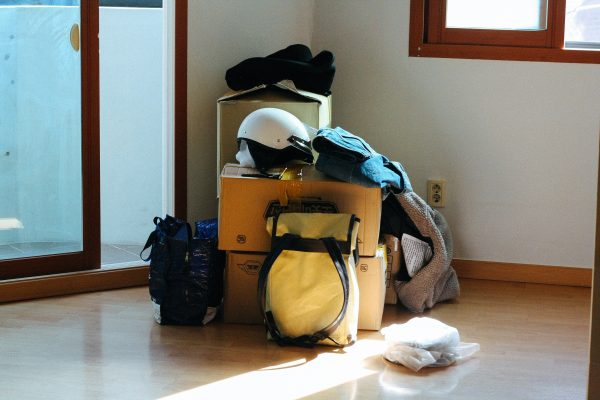
 

How To Keep Your Cool When Moving Home

According to a recent study, the average American will move home 11 times in their life – and many of these moves often coincide with a significant change in their life. For example, they may be moving in with a partner, relocating for work, or upsizing to cater to a growing family. As a result, it’s hardly surprising that moving house is also associated with high levels of stress and anxiety. 

ting, as it presents you with a fresh start and it’s important that you get to enjoy this time. With that in mind, here are some top tips that you can use to keep your cool when moving home! 

Plan your move carefully. The first step toward a stress-free move is to put together a plan of action. This will provide you with a framework you can rely on every step of the way, alongside giving you a timeframe to work within. This means you can manage your money, time, and energy appropriately, whether you’re attending property viewings or dealing with legal paperwork. 

Take off the rose-tinted glasses. While it’s important to remain optimistic during property viewings, you should also ensure you do not get ahead of yourself. If something seems too good to be true, consider why this might be. For example, are there any warning signs present that suggest the property is damaged? This could include signs of water damage such as damp or mold. 

Organize your current home. Many homeowners will have to sell (or rent) their current property in order to finance their move, which means you must also spend a bit of time prepping or organizing your home before moving. For example, you may have to add a fresh coat of paint in order to make the space appear like a ‘blank canvas’ that potential buyers can decorate as they wish. In doing so, you should also try to move as many of your personal belongings as possible, so that your home does not appear cluttered. This often means getting a head start on packing. If you don’t want to be stuck in a sea of boxes, you might want to find self storage near me to make things a little easier! 

Figure out what is the cause of your stress. In some cases, the easiest way to reduce stress is to figure out what is causing these feelings or thoughts to come to the surface. You can then put plans in place to reduce their impact on your psyche. There are many stressful acts of moving that may be bothering you, such as concerns about uprooting your family or dealing with paperwork. And while these tasks may be unavoidable, there are ways you can make them less stressful. For example, you can reduce the amount of paperwork you have to fill out by working with a lawyer or real estate agent who can talk you through the process and do some of the more difficult work on your behalf.  


Garden Makeovers: Tips for Turning Your Outdoor Space Into a Stylish and Inviting Retreat

When it comes to renovating your garden, it can be a daunting task. You might not know where to start or what to do. Your garden can be a space for relaxing and reflecting if you plan it well and add the right elements. However, to achieve success with your garden makeover, you will need to take a few things into consideration.

A garden makeover can be one of the worthwhile renovation projects, but before you begin, it’s important to consider what you hope to achieve. Are you looking to create a lush oasis for relaxation and meditation? A vibrant outdoor dining area? Or simply a pretty spot to admire from indoors? Once you know what you’d like your garden to be, it will be easier to choose the right plants, features, and accessories.

If you are looking to spruce up your outdoor space, check out our tips for giving your garden a makeover that will make it more stylish and inviting. From choosing the right plants to adding some cozy seating, we’ve got you covered. Keep reading for our top garden makeover tips.

Plan your space.

img

Planning your space is a key step in creating a successful garden makeover. One of the most important aspects of a successful garden makeover is choosing the right location. Consider how much sun or shade the area gets, as well as its exposure to wind and rain. If you’re looking for a place to relax, choose a sheltered spot with plenty of comfortable seating. If you want to grow vegetables or flowers, locate your garden in an area that gets plenty of sunlight.

Before beginning to work on your outdoor space, you should also take the time to measure and sketch out what you want to achieve. This will help you visualize the finished product and make better decisions about what plants and materials to use.

Another important part of planning is considering how you will use it. If you plan to entertain guests often, for example, you’ll need plenty of seating areas. If you’re mostly interested in using your garden as a private retreat, consider including features like a hammock or cozy seating nook.  While planning you should also consider adding one of the prefab sheds available to store your gardening tools and perhaps any decorations and furniture you want to put away during the winter. Once you have a clear idea of what you want your garden to look like, it’s time to start getting to work on the makeover.

Add interest to your garden.

img

One way to add interest to your garden is to use containers. Containers come in all shapes and sizes, so you can find one that will fit perfectly into your garden. They also come in a variety of materials, so you can find one that will match your décor. You can use containers to hold flowers, plants, or even vegetables.

Another way to add interest to your garden is by using different types of plants. If all of your plants are the same height, it can make your garden look boring. Try using different types of plants, such as tall plants, short plants, flowering plants, and non-flowering plants. You can also try using different colors of plants to create a more colorful garden. You might consider asking for gift plants on the earth for various holidays or occasions so that you add different plant varieties at different times.

You can also add interest to your garden by adding accessories. Accessories such as benches, arbors, and fun birdhouses can add functionality as well as style and character to your garden. Benches provide a place for you to sit and relax while you enjoy your garden. Arbors provide shade on hot days, and birdhouses attract birds which can help control pests in your garden.

Consider your lighting.

img

When renovating your garden, it’s important to consider the lighting. You want to make sure that your new garden looks as good at night as it does during the day. This is particularly true if you want to entertain guests in the garden. There are a variety of lighting options to consider. However, you’ll want to choose the right style to fit your garden and other lawn elements. Torches are a great option for lighting up a small area. They’re easy to set up, and they provide a lot of light. They’re perfect for pathways, decks, and patios. Spotlights are also a great way to light up a large area. They can be used to highlight trees, flowers, or statues. They’re also perfect for illuminating a garden path or driveway.

Floodlights are perfect for lighting up a large area. They provide a lot of light, and they’re perfect for illuminating a garden or driveway. For a more intimate setting, you might consider string lights. String lights are a great way to add a bit of ambiance to your garden. They’re perfect for parties or for simply relaxing in your garden. Also, don’t be afraid to experiment with different colored lights and lighting effects. No matter what type of lighting you choose, be sure to select something that goes with the atmosphere and vibe you are creating in your garden.

A well-executed garden makeover can completely transform an outdoor space, making it more stylish and inviting. There are a few key things to keep in mind when planning a garden makeover: think about the overall look and feel you want to create, choose plants and materials that will complement each other, and don’t be afraid to experiment. With a bit of creativity and some handy tips, you can turn your outdoor space into a stylish and inviting retreat.

Don’t Forget To Do These Things To Your House To Avoid Problems

When you own a home, it’s your job to keep it in the best condition. This means completing work on the home, and keeping it maintained as much as you can with your busy schedule. There are many things that you are going to need to do simply to avoid more problems, and that’s what we’re going to be focusing on in this article. Keep reading down below if you would like to find out more. 

Keep Your Exterior Maintained

The first thing that we recommend is that you keep your exterior maintained. While it won’t cause you any significant problems in terms of the home itself, it can cause you problems when the time comes that you decide to get a handle on it. If you manage to keep your home exterior maintained as much as you can, then you don’t have to worry about it getting overgrown, things being attracted to whatever is in the garden and so much more.

It doesn’t take a lot to maintain an exterior. You simply need to make sure that you are mowing the grass every couple of weeks to keep it at a reasonable length, pulling out weeds, picking up trash and things like this.

Insulation And Other Proofing

You should also be considering insulation and other kinds of proofing around your home. You may want to look into a moisture control contractor for your crawl space and other parts of the home where this could be a significant problem. If you end up with issues such as mold, they can be a nightmare to get rid of, which is why it’s best to avoid this as much as you can. 

As well as this, the home should be insulated as well as possible, including spaces like the attic. This helps you to keep your energy bills down, and also keeps the warm or cold air trapped inside the property. The best part about this is that it also helps to keep excess levels out, helping you control the temperature so that things don’t start to grow.

Always Make Repairs When Needed

The final thing that we want to mention is that you should always be making repairs when they are needed. Some people think that they can get away with leaving certain repairs for a sizable chunk of time as it’s not going to get any worse. Things can likely always get worse, and that is why they need to be sorted as soon as possible. This is especially important when it comes to things such as your roof and your pipes. If you notice an issue with these, you need to get a professional out as soon as possible to take a look.

We hope that you have found this article helpful, and now see some of the things that you should be doing to your house to avoid problems in the future. We know that they might seem like random things to do, and we know that you probably don’t want to do them, or pay for someone to do them for you. However, they need to be sorted, or you never know what could happen.

Rewarding Jobs where You Can Help People

Home health care worker and an elderly couple

Some people are meant to help others. Suppose you are looking for a career change that suits your personality. There are many rewarding jobs available where you can make a difference.

Assisted Living and Elderly Care

There are more older adults than ever before in living history. In the USA alone, the single largest demographic is the over 65s at a whopping 54 million residents. And a large percentage of these require some form of care, whether it’s help with simple tasks or full-time care. You can work for an agency or a facility. However, there is a viable senior care business opportunity in helping the elderly. Companies like CarePatrol can help you start your own senior care business by providing training, help, and support. And showing you the correct business model to apply.

Working with Disadvantaged Children

All over the world, and now more than ever, there are vulnerable families. Many of these families require ongoing support, especially when it comes to children. Kids from all walks of life and backgrounds are entitled to the help they deserve to make their lives much better. Support for disadvantaged kids can come in various forms. Some common examples include helping children develop skills. But there’s also taking children on fun days out and safeguarding vulnerable children and adults from inherent danger, such as abusive partners. 

Rewarding Jobs Include Volunteering

You don’t need to change your career to make a difference in someone’s life. There are many ways you can help people by volunteering some of your time. Volunteering is unpaid work, but it’s no less critical in some situations and can lead to employment. Some examples include:

  • Helping out at charity soup kitchens for the homeless.
  • Working with abused spouses (men and women) following incidents.
  • Advising teens about sexual conduct and sexual health issues.

It’s very easy to get involved with helping the homeless or hungry through various charities and religions. You can also help victims of domestic abuse by working with charities like Safe House Center. And schools and organizations often look for help with teen issues such as safe sex.

Becoming a Foster Parent or Guardian

There are many noble professions in the world. But it’s hard to find one more endearing than people willing to extend their life in service of helping children. Foster parents are among some of the most dedicated and passionate people worldwide. Taking in children from abusive and broken homes is a challenge. But it is equally as rewarding. From newborns to stubborn and damaged teens, the range of children you get to work with is vast. And each and every child will have different needs. It’s up to you to be the understanding and caring guardian they deserve.

Teaching and Online Learning

Of course, teaching is a leading profession for helping people. From preschool to adult learning, you can take your pick of teaching levels. However, getting into teaching at an establishment requires years of training and a degree in a chosen subject. That being said, the requirements aren’t the same for online distance learning. You can potentially begin teaching any subject online tomorrow. For example, you could help children with extra math work, teach piano, or even make programming tutorials with online tools like Zoom, Skype, and even YouTube.

Summary

You might want to make the leap into rewarding jobs because you have a desire to help people. These might include elderly care, volunteer work, and teaching at a school or online.

6 Crucial Questions to Ask When Choosing an Independent Living Facility

If you are finding yourself looking for “assisted living near me” as a senior, or you wish to find out more about a senior living community for your parents, you need to ask specific questions. These questions will help you determine what amenities to expect and how this type of living supports an older adult population.

To understand how a senior living site operates, you first need to make a distinction between the two types of living facilities – assisted living and independent living. Sometimes, people use these terms interchangeably but there is a difference in how they operate.

Benefits of Independent Living Facilities for Seniors

In comparison, an independent living facility is designed for someone who is still able to live independently but has access to help when needed. Therefore, these communities offer residents easy access to medical care, entertainment, and dining. Not only do residents live in a safe environment, they can do so with minimal assistance.

Hospitality is offered in the form of laundry services, meals, and housekeeping, usually added into the monthly rent. Therefore, when you compare an assisted living site with an independent living community, the difference lies in the services.

That means assisted living offers more services to support a person’s activities of daily living (ADLs), such as dressing, showering, grocery shopping, toileting, and eating. When you make the choice for a senior living site, or an independent living facility, you need to ask the following questions. Making an informed decision is critical when making this type of lifestyle transition.

How do they compare with assisted living communities?

If someone has difficulties with daily living activities in their home, they can find support at an assisted living community while enjoying an independent lifestyle. Assistance comes in the form of housekeeping, maintenance, transportation, laundry services, utilities, and meals.

This type of maintenance-free lifestyle allows residents to take part in outings and social activities as well. Additional care is featured in the management of medications or in provind help with daily living activities, such as showering or dressing.

The 6 Questions You Need to Ask

So, where do you begin with your inquiries?

First, you need to find out more about the community and what to expect. This will help you pose the first question on the list.

What Is Included in the Rental Price?

A highly desirable independent living site offers all-inclusive amenities for one price.

An all-inclusive site is favorable, as it includes a host of benefits, some of which includes the following:

● A spacious and private apartment

● All the utilities paid, including water, electricity, cable, and Internet

● A calendar of events, classes, and social activities

● Delicious menus and on-site dining

● An on-site hair styling salon and barber shop

● Gated courtyards

● Storage facilities

● A pet-friendly community

● A workout site

● Restful common areas

● Wellness programs

● Transport available to shopping malls, doctor offices, and community activities

Again, it’s important to check what is included in the rental price for an all-inclusive residence. The facility should be as maintenance-free as it is user-friendly.

You’ll also need to find out what extra services are not included at an all-inclusive site. For example, what are some add-ons and how much extra do they cost?

2. Where Is the Location and Is It Easy to Get Around Town?

The location is an important consideration as well. Is the community close to friends and family? Is it accessible to shopping and dining? Can residents enjoy their favorite activities, whether on-site or close by? Does the city fit the profile of the potential resident?

Also, is transport easy to get? When do residents have access to transportation and is there a limit on the distance they can go?

3. What Meals are Provided and When Are They Scheduled?

Most independent living communities feature one or two meals daily. Therefore, you’ll want to know more about what is regularly served and what hours are set for meals. Are seats assigned in the dining room? And, how are dietary restrictions handled?

You can find out more about daily meal planning simply by sitting down and eating a meal in the facility’s dining room. This will give you a better idea of the atmosphere and the quality of the food.

4. What Activities Are Featured and Who Usually Participates?

While you may be impressed by a facility’s activity calendar, some events may not turn out to be all that popular. In some cases, the activities may not interest a potential resident. Also, some activities may take place at hours that may be hard to add to a daily routine.

You’ll also need to check on trips to shopping malls or similar activities. These are all important considerations, as they can add to or detract from a resident’s quality of life.

When asking this question, it also helps to find out the average age of the residents and the male to female ratio of the residents, both of which play a part into what pastimes people regularly pursue.

5. When Might You Have to Move to Assisted Living?

You’ll also have to determine when you might have to make a move to another facility. What options do you have with respect to your level of care? What would have to happen for a resident to move to assisted living?

6. What Are the Terms of the Rental Agreement?

It’s vital you nail down the terms of the rental agreement. Read the fine print and have your financial advisor or an attorney review it. It also may help to have your financial representative take a look at a community’s financial statements.

Be forewarned – some communities offer certain services for a specific time, then feature pay-as-you-go services later. While a fee-for-service agreement has a reduced buy-in charge, you’ll still get assessed market rates if you move to assisted living. Make sure you know what you’re getting before you sign the contract.

Make Sure You Know What to Expect

If you’re seeking an independent lifestyle as a senior and a maintenance-free way of life, you’ll want to closely examine senior living facilities that offer this plan. Maybe you’re searching for a residence for a parent. If so, an independent living facility might fit into your and your parent’s residential goals. Whatever you choose, make sure you know what to expect before you or your parents sign on the dotted line.

How to Prepare for a Big DIY Project – 5 Things to Keep in Mind

Sometimes, it is better to manage some DIY projects in your home yourself. Handling projects yourself saves costs. Aside from this benefit, DIY helps you focus more on the task to achieve the result in your mind.

Your project may go haywire when you don’t prepare well or plan enough to handle the project better. On the other hand, you can maximize resources with the right planning. You also see the whole picture of what you have to do in your home and use the best approaches.

Proper planning helps you identify and mitigate risks that may come with the project. You don’t want to waste resources, time, or energy.

So what do you need to know to make your big home DIY project successful? In this article, you will discover new tactics to help you plan better for the upcoming project.

5 Things to Keep in Mind as You Prepare for a Big DIY Project

The top five tips to keep in mind as you plan for big DIY projects include:

1. Gather Information You Need for the Project

Most people fail on their DIY projects because they didn’t get sufficient information to make the project a success. Proper planning means you have all you need to know about the project at the tip of your fingers.

Read more about the project. Enquire from friends and do-it-yourself enthusiasts who succeeded in the task to get more information. Join a DIY community, and ask questions. Watch documentaries or videos to help out.

Since you are not an expert at this, you don’t have to fill your mind with too many details. Sometimes, performing tasks with too many details may cause the project to fail. Be able to filter all the information you get. Work with necessary information. If you have to handle a more technical task, ensure you get the help of a skilled person to school you through the entire process and tools.

Aside from gathering information on the DIY process, it would help if you learned how to handle the tools. You wouldn’t want to lose an arm because you are handling a big project yourself.

2. Budget and Start Buying

A good analysis should give you a proper estimate of the project’s cost. Then, at least you can plan without having to break your back so you can complete the project. To even make things better, start saving up as soon as you conceive the project in your mind. This way, you have enough motivation to save, so the DIY project becomes a massive success with little strain on your finances. To lessen the financial strain, get the homeowners’ liability insurance coverage. The insurance plan ensures you don’t spend so much on a big project.

Once you have tangible money, start ordering the materials you need for the project. Buying the needed resources will save extra costs if the price rises. Finally, store the materials you buy in a safe and good condition. If you don’t have enough space for big items, draft a good storage plan.

3. Improve Your Skills

Since the project is significant, you should ensure that your skills are enough to make it successful. If your skills are insufficient, get help. It is expensive to waste resources and end up with something shabby.

How do you know you have the right skills for the job? By asking the right questions. Some questions to ask yourself before you proceed include:

● Do you know enough to make the project a success?

● Do you need help with the project? If yes, at what stage do you need help? How much help do you need?

● Can you handle the project?

● How much time can you sacrifice to complete the project?

● Can you handle the project safely? Will handling the project ensure your health and that of others are safe? Will unprofessional mistakes be detrimental to life in the future?

If you answer these questions satisfactorily, you can proceed with the project. If you can’t provide positive answers to these questions, rethink your DIY decisions. Postpone the project if need be. Gather more information and learn the skills you need. If it is way beyond what you expect, get extra help. Never overestimate your skills.

4. Divide the Project into Milestones Dividing the project into milestones helps you follow the process. Splitting the project gives you a clear picture of what you have to do and when. In addition, it ensures you have the right resources to use at each successive stage of the project.

Aside from prioritizing your tasks, tools, and resources, splitting them into portions helps you focus on the task. This way, you can enforce a timeline to complete the project.

As you divide the project into milestones, keep abreast of any information. Understand if the project has a fixed time for completion. If it does, do you have enough time to handle it yourself?

You need to keep these factors in mind, reducing laxity when you need to put in more effort.

5. Categorize the Project Based on the Complexity of the Stages

Analyze all activities you need to engage in the project. Take note of repairs, areas to change, and new ideas you can add to beautify the process. After you take note of the changes, group the activities into sections based on the complexity of the task, that is, how much work or resources you have to put in.

Group the tasks into simple, average, or complex. Proper grouping will help with delegation to other hands if need be. In addition, it will help you know what part of the project will consume more or less time.

If you are not yet a pro with tricky tasks, never try to handle them yourself. Instead, leave those parts out while doing others yourself, so an expert handles them.

Bonus: Have a DIY List

Having a list of all you need on the project is essential to complete the project. Creating a list helps you not to leave anything out. Organize your processes, tools, and extra resources into lists. Document everything that will come in handy.

Final Thoughts

Preparing for a big DIY project shouldn’t worry you so much. Though you need to know more to make it a big success, consider it another DIY task you handle often. Never fret over it. Fretting will make you underrate your skill and perform below expectations.

Don’t keep these tips in mind alone. Instead, work with them on your next DIY project. With these tips, you will have a smooth sailing project, regardless of its complexity.

How A Backyard Swimming Pool Can Enhance Your Lifestyle

Life never gets dull if you invest in a swimming pool in your backyard. You can make the most of the warm summer weather by soaking in your private pool whenever you want. Having fun with your family makes it even better. At the same time, you have a flaunt-worthy exterior space with this investment. But a backyard swimming pool does more than you imagine as it can actually enhance your lifestyle. Let us explain the big-picture benefits of this worthy investment.

Bring a luxury vacation to your backyard

A swimming pool project is an excellent idea if you want to bring a luxury vacation to your backyard. Designing the area with water features and landscaping gives it a resort look. You can plan a staycation at home by spending time outdoors, taking a relaxing dip and sipping on your favorite drink. Plan some water games for your kids, or let them have a good time splashing around.

Host the best parties in town

Besides being your holiday venue at home, a backyard swimming pool is a great location to host the best parties in town. Your besties will love to drop in and have fun. You can invite your gang to chill during the hot evenings, arrange a potluck gathering, or plan a romantic date night by the poolside with your partner. Investing in an outdoor kitchen and bar is a good way to make the area party-ready.

Make a hefty profit down the line

A swimming pool does more than set you up for an incredible lifestyle in your home. It enables you to make a hefty profit when you sell the property down the line, so you can expect to move to an even more luxurious place. Consider pool construction a wise investment, even if you have to spend a bit on it. You can check the pool loan rates in your area to borrow for the project. It will not seem like a burden when you compare it with the value addition for your property.

Enhance your fitness level

Regular swimming enhances your fitness levels, so a pool in the backyard is the best investment for a fitness-conscious homeowner. You can enjoy the most relaxing form of workout as swimming is low-impact yet moves all the muscles in the body. It also provides the benefit of stress relief. The best part is that you can save a fortune on hefty gym bills. Moreover, exercising at home saves time and ensures better adherence.

Good hygiene and privacy

Another lifestyle benefit of a residential swimming pool is that it facilitates good hygiene and privacy. Staying away from public places is relevant in the new normal because the risk of viruses persists even as the pandemic situation improves. Having your own private pool means you need not worry about catching an infection in a shared space. You have better control over hygiene and maintenance, so there is hardly a chance of going slack with them.

An outdoor pool is perhaps the best investment for a homeowner because it does more than add to the curb appeal and value of your home. It changes your lifestyle for the better, and sets you up for luxury and well-being.

Creating a Cozy Pool for Autumn

As soon as the weather cools down, many people start thinking about their pools being unused for a while. That being said, some ways to utilize the area is to make it a cozy spot where house members could relax or have dinner dates by the fire while the air becomes crisp and the waters by the pool begin to freeze.

You might need today’s pieces of ideas and advice on how to give your backyard swimming pool a cozy ambiance.

You may be thinking about closing them up for the season or thinking about ways to extend the pool season a bit longer. You may as well be planning to resurface the outdoor concrete with Stamped concrete in Orange County, CA, to create a natural stone look or with brick, patterns to match the themes popular during Autumn.

Either way, autumn is still a great time to enjoy your pool. If you are wondering if that is possible, read on.

Falling into the Deep: Getting your pool ready for the Fall

You can do a few things to make your pool cozier for autumn. So, be ready to fall and get deep into the details of making your swimming pool Autumn ready.

Stamped Concrete with Earthy and Warm Color Tones

Adding these overlay patterns would create a natural warmth to the pool’s aesthetics. This will give the area a more rustic feel that is perfect for the fall season. Remember that

stamped concrete patterns mimic other flooring materials like wood and bricks. You would specifically choose these for n autumn- themed pool decks and backyard floors.

Creating a relaxing pool for autumn doesn’t have to be complicated. Stamped concrete, autumn-themed decorations, and changing your lighting are all great ways to do it. So get out there and enjoy your pool in the cooler weather!

Autumn-Themed Decorations

Aside from recreating the canvas underneath your feet, which are the floors, another thing you can do is add some autumn-themed decorations. This could include pumpkins, hay bales, and other fall-themed items. You can take inspiration from Pinterest and how you can create that picture to fall for.

Warm and Dim Lights

The third idea is that you can change the lighting around the pool to give it a more cozy atmosphere. Applying that idea could involve adding candles or string lights around the pool’s perimeter.

Since the weather is beginning to dip, a fire pit or installing a jacuzzi to add a heating element will also be effective.

Having the flicker of warm lights or dim LED lamps looks excellent when the light touches the surface of a fiberglass pool. You may want to include those ideas and designs when you have a fiberglass pool installation in your backyard.

Take that last dip before you freeze.

No matter what you do to make your pool cozier for autumn, the important thing is to enjoy it! So get out there and take advantage of the cooler weather before winter arrives. Remember to consider an area for getting warm, like love bonfires or frit pit installation, to get some heat around you after you dip in cool water.

What are the feelings that autumn colors give the pool goers?

The feelings that autumn colors give the pool goers can be very calming and relaxing. The cooler tones of the leaves and the water can help to ease stress and tension, and the colors can also help to create a more romantic atmosphere.

Last dip of advice

Creating a relaxing pool for autumn doesn’t have to be complicated. All you need are some fun autumn-themed designs and colors to get started. Whether you’re looking to prepare your swimming pool for the autumn season or want to add a touch of fall flair, these tips will help. So, have you tried decorating your pool for autumn?

9 Important Ways You Can Support Your Child’s Learning From Home

Are you a parent of a child in kindergarten, primary school, high school or somewhere in between? If so, you know that there’s no getting around the importance of education. In this post, we will be exploring some ways that you can support your child’s learning from home. 

 Why Is Learning So Important For Our Children?

You might already know that learning is important, but do you know why? The first and foremost reason is that knowledge is power. Education makes kids more intelligent, more creative, and is a great way to use their brain and mental energy. It also helps with building confidence and making friends.

Kids who are really engaged in learning are often more enthusiastic about reading and having a higher vocabulary. This means they can understand more about the world around them, lowering their risk of bullying and feeling left out. Learning also builds a child’s confidence in school, preparing them for the future. 

Having kids isn’t easy. And parenthood is actually very challenging. You have to think about almost every action that you take as a parent because it will directly impact your kid for the rest of their life. Read on to learn more about how you can support your child’s learning from home with these genius tips.

  1. Help Your Kid Find Their Interest And Spark Their Curiosity

Learning and education are two very different things. However, you can help your child find their interest and spark their curiosity by encouraging them to explore a topic they’re interested in. And one of the best ways to support your child’s learning from home is to help them find something they are genuinely interested in. Whether it’s a sport, a hobby, or a specific type of music, helping your child find something they’re passionate about is one of the best things a parent can do. Ask them about what they like and make an effort to understand what interests them.

2. Encourage Collaboration In Learning

Another excellent way to support your child’s learning is to encourage collaboration in the classroom. One of the best ways to do this is by signing up as a homeschool parent. Homeschooling can be a fantastic opportunity to help your child succeed. This will give them a chance to learn and grow with other people interested in the same thing they are. Not only will this give your child a chance to make friends, but it will also help them develop essential skills.

3. Support Vocabulary Development And Reading Comprehension

One of the first steps in supporting your child’s learning from home is to work on their vocabulary. If a child doesn’t understand a word, it’s difficult to comprehend what they’re reading. There are plenty of ways to support your child’s vocabulary development and reading comprehension. Still, many of them can be done right at home. For example, you can play board games that require your child to use a dictionary. You can also play online word games, like Scrabble, that can help your child improve their vocabulary. Another excellent idea is to take advantage of books with interactive questions and activities. 

4. Organize Your Child’s Learning Materials

Another thing you can do to support your child’s learning from home is to ensure that all of their books, pens, and supplies are organized and easy to find. There’s nothing worse than a messy desk or chaotic bookshelf. This will help them to be more efficient and productive, which is one of the best things that a parent can do for their child. In addition, it can be helpful to ensure that all of their books are organized by subject too. You can also consider getting a bookcase appropriate for your child’s age.

5. Go On Field Trips Together

Support your child’s learning by going on field trips together with them. This can be an excellent opportunity for you to take your child to visit a museum, park, or even a local library. Not only will this help your child learn about the world around them, but will also allow you to bond with them. If you can go on field trips with your child, it will help to improve their grades and help them to enjoy learning even more. One of the best things about going on field trips with your child is that it doesn’t have to cost you a lot of money. 

6. Provide Opportunities To Practice Math

As a parent, you can provide opportunities for your child to practice math at home. This can help them become more confident in their abilities and give them an extra edge when it comes to standardized testing later in their education. Topics like ordinal vs. cardinal numbers can be challenging to learn. So giving kids extra tutoring will help them get their heads around the big problems.

7. Help Your Child Find Age-Appropriate Resources

Make an extra effort to help your child find age-appropriate study resources. This will help to minimize frustration and keep them motivated. The foundations that your child lays in their early years in school can often guide them for the rest of their education. Therefore, it’s essential to help your child find age-appropriate resources to ensure they’re learning on a level that is right for them. It may be helpful to ask your child’s teacher (or ask your child) what resources they recommend.

8. Talk To You Children About School

School is an essential part of your child’s life. You should be talking to your child about their experiences at school and the teachers that they have. By talking to your child about school, you show them that you care about their education. You are also helping them to process their experiences and understand what happened to them at school. You can also talk to your child about the subjects they study at school. 

For example, suppose your child is studying history. In that case, you can ask them questions about the time period they are currently learning about. This will help you to understand your child’s learning better. And you can even offer to help with their school projects or assignments if you want.

9. Be A Good Role Model

This might be the most important tip on the list. Because your child is always watching and observing how you live your life. They’re learning by example, and they are likely to take on the things that they see you do. So try your best to demonstrate good study habits, like having a consistent study schedule, having a clean and well-lit study space, and managing your time well. And you can use this to teach your kids lessons they won’t be taught in school. Things like self-confidence, effective communication, and patience. Everything we do with our children informs their learning. 

Remember: Not All Life Lessons Can Be Taught In Class

Finally, remember that not all life lessons can be taught in class. You can help your child learn valuable life lessons such as dealing with disappointment, handling stress, and being more empathetic towards others. Help your child learn by giving them advice and being a positive role model for them. Kids learn a lot by watching their parents and observing what they do. They can learn how to be a good person by watching you and observing how you interact with others.

It can be easy to get wrapped up in trying to help your child succeed in school. But, you also want to help them develop as a person. To do that, you need to remember that not all life lessons can be taught in class.