4 Must-Have Skin Care Products to Add to Your Routine

Sticking to a personalized skincare routine is essential because it ensures that your skin is in good condition by improving its appearance and general health.

High-quality skin care products will improve the appearance of your skin, while low-quality products are ineffective and can actually harm your skin. Here are the 4 must-have skin care products you should add to your skincare routine:

1. Brightening Serum

A brightening serum brightens your skin by reducing the dry appearance of your skin generally by targeting specific dark spots. While some brightening serums may boost cell turnover rate or the frequency in which your skin replaces old dull skin cells with healthy, younger, and new skin cells. Others may directly stop melanin synthesis or temporarily target inflammatory patches to lighten your skin.

Brightening serum is applied directly on blemishes, sunburns, acne scars, dark patches, and other localized skin bruises. And in a short time, the skin is restored to its natural appearance by using this skin care product.

2. Vitamin C Mask

A Vitamin C mask moisturizes and illuminates skin, utilizing tried plant antioxidants. It enhances brightness while reducing wrinkles, creases, and texture concerns for aging skin. It also significantly impacts the creation of collagen, essential for decreasing wrinkles and stretching marks on the skin. A vitamin C mask is also essential in helping your skin retain moisture.

Acidic vitamin C can be an exfoliator because it eliminates the surface-level dead skin cells, leaving the skin looking smoother and brighter. Vitamin C also has anti-inflammatory properties that help you achieve a more even complexion by soothing the skin’s irritated areas and lessening redness.

3. Retinol Cream

Retinol is Vitamin A1 and is available in various skin care products, but in most cases, you will find it in a cream or serum form like Medik8’s Crystal Retinal 10. Retinol cream treats acne by preventing blockage and the congestion of the skin pores. Applying retinol cream lessens the redness and swelling associated with a lack of vitamin A1, and also helps prevent new outbreaks with its anti-bacterial properties.

This is where Admire My Skin comes in. Not only do they have products that make you look and feel amazing, but you also don’t have to worry about dealing with heavy chemicals and ingredients.

4. Vitamin C Oil

Vitamin c oil is an anti-aging agent and is the secret to preserving a gleaming, even, flawless complexion. Even though we consume Vitamin C in our foods, there is no assurance that plenty of it reaches the skin. It is, therefore, important to supplement the supply of Vitamin C in the skin by using Vitamin C oil. In minimizing dullness, Vitamin C oil smoothens the skin’s surface and assists in the removal of pigmentation.

Vitamin C oil also lightens hyperpigmentation since it hinders melanin formation. The oil also reduces the appearance of fine wrinkles by moisturizing and plumping the skin around the eyes. Vitamin C oil’s antioxidants help shield skin cells from free radical damage, preventing skin damage caused by the sun.

Summary

Preserving your skin requires that you have a planned skin care routine. Therefore it is vital to have the right skincare products. These products include; the brightening serum, Vitamin C face mask, retinol cream, and Vitamin C oil.


How to Get Rid of Common House Pests

Common house pests are frustrating at any time of year. Have you been trying to get rid of a house pest that makes a home for itself regularly? The last thing you want to do is walk in the bathroom in the middle of the night to find a new furry friend on your wall.

The good news is, most common house pests are easy to get rid of with a few preventative measures. Take a look at what you need to know about keeping the pests out of your home.

Fill in the Cracks

Many small pests, like ants or spiders, make their way into your home through small cracks. They could be cracks in the wall, small holes near your windows, or gaps in your doors. If you can feel a draft in your home, you can guarantee pests have found a way to utilise it. 

It’s important to fill in any cracks or holes you find around your home so pests can’t make their way in. It’s also a good way to protect your home from potential dampness.

Essential Oils

Pests hate the smell of essential oils. If you’ve had an ant problem recently, essential oil is your friend. Lay a few drops where you can see the ants are entering your home and leave it to work overnight.

You can use lemon or mint essential oil to kill ants. It works similarly to ant poison. Ants traipse through the oil and carry it back to other ants so others are killed in the process. If you have pets at home, keep them away from the area if you put essential oil down.

Screen Doors

Screen doors are an excellent option for keeping pests out of your home if you like to spend time outdoors. Screen installation will give you the option to keep the fresh air flowing through your home without keeping your home open to all kinds of pests.

You can also sit in front of your screen and enjoy looking out at the evening without worrying about pests sneaking past you. 

Set Traps

If you’ve been experiencing a rodent problem, it’s vital to act quickly. Rats and mice breed quickly so getting them off your property is important. There are many different traps you can set for rodents, most of which are safe if you have pets in your home.

Rats and mice like to eat, so your trap should include something that looks like a tasty treat. Of course, the treat will contain a rodent killing poison. If you find evidence of more than one rodent, you may need some help in getting rid of them.

Call a Professional

The worst part about pests is that they can become a big problem quickly. Before you know it, you can have an infestation. At this point, it’s best to turn to a professional and contact your local pest control. They can get rid of the current problem and give you advice on how to prevent any further infestations. 


8 Tips To Get Your Home Ready For Long-Term Visitors

Have you ever had a friend or family member come to stay with you for an extended period of time like over the holiday season? If so, then you know how important it is to make sure your home is ready for their arrival. 

Here are 8 tips to help you get your home ready for long-term visitors:

  1. Create a guest room: This may seem like an obvious one, but if you don’t have an extra bedroom, now is the time to create one. Even if it’s just a makeshift space in your living room or den, your guests will appreciate having their own space to retreat to at the end of the day. If you don’t have an extra bed, consider getting an inflatable mattress or futon.
  2. Stock up on essentials: Before your guests arrive, make sure you have all the essentials, including toilet paper, shampoo, towels, and bedding. It’s also a good idea to have some snacks and drinks on hand so your guests don’t have to go out every time they’re hungry or thirsty.
  3. Get rid of clutter: Clutter can make any space feel small and cramped, so it’s important to get rid of it before your guests arrive. Take some time to declutter each room of your house, including closets, drawers, and surfaces. Not only will this create more space for your guests, but it will also make your home look and feel more welcoming.
  4. Clean, clean, clean: This one goes without saying, but it’s important to make sure your home is sparkling clean before your guests arrive. Take some time to dust, vacuum, do some carpet cleaning and mop each room of your house. If you have time, consider deep-cleaning your kitchen and bathrooms.
  5. Make space in the fridge: Unless you want your guests to eat all of your food, it’s important to make some space in your fridge for their groceries. Before they arrive, clear out any expired items and move non-essentials to the pantry or freezer.
  6. Declutter your bathroom: In addition to decluttering the rest of your house, it’s also important to declutter your bathroom. Remove any products that you don’t use on a regular basis and put them away. This will not only make more space for your guests’ toiletries, but it will also make it easier for them to find what they need.
  7. Put away personal items: Before your guests arrive, it’s important to put away any personal items, such as photos, jewelry, and keepsakes. Not only will this create more space for your guests, but it will also help them feel more comfortable in your home.
  8. Introduce your pets: If you have pets, it’s important to introduce them to your guests before they arrive. This will help your guests feel more comfortable around your pets and will prevent any accidents or misunderstandings.

There you have it

By following these 8 tips, you can make sure your home is ready for long-term visitors. By taking some time to prepare your home before they arrive, you can make their stay more enjoyable for everyone involved.

Top 4 Reasons To Inspect Your Roof Before Winter Arrives

As the leaves begin to change color and fall from the trees, we all know that winter is just around the corner. For many of us, that means breaking out the heavy coats, hats, and gloves. But before you start bundling up for the cold weather, there’s one more crucial task that needs to be taken care of: a roof inspection. Your roof is your home’s first line of defense against the elements, so it’s important to ensure it’s in good condition before winter hits. Here are four top reasons why you should have your roof inspected before the snow starts to fly.

1. To Prevent Costly Damage

A small, easily fixable issue on your roof can quickly turn into a big, expensive problem if left unchecked during the harsh winter weather. An inspection can identify these potential issues and prevent them from causing significant damage to your home. It’s best to ensure that you contact a roof repair specialist before the winter season to take care of any necessary repairs. If you can, try to schedule your maintenance checks nearer to the end of autumn to ensure that your roof is in the best shape just as winter arrives.

2. To Check For Loose Or Missing Shingles

Another common issue that can arise during winter is loose or missing shingles. High winds and heavy snowfall can cause shingles to become loose or even detach completely from your roof. This leaves your home vulnerable to water damage and leaks. A roof inspection will allow a professional to check for any loose or missing shingles and make repairs as needed before winter weather hits.

3. To Inspect Your Gutters And Downspouts

Your gutters and downspouts play a crucial role in protecting your home from water damage during winter storms. They work together to channel water away from your home, but they can only do their job properly if they’re in good condition. During a roof inspection, a professional will check your gutters and downspouts for any signs of wear or damage and make repairs as needed. They’ll also clear out any debris that has accumulated over the course of the year so they can function properly when winter weather hits.

4. To Ensure Your Attic Is Properly Insulated

Another important reason to have a roof inspection before winter is to ensure your attic is properly insulated against the cold weather ahead. Poor attic insulation is one of the leading causes of heat loss in homes during winter, so it’s important to ensure yours is up to par before the temperatures start to drop. A roofer can check your attic insulation and make recommendations for any improvements that need to be made to keep your home warm all season long.

In conclusion, a roof inspection is an important part of preparing your home for winter weather. By having a professional inspect your roof, you can prevent serious problems from causing damage to your home when the temperature starts to drop. So don’t wait until it’s too late; schedule a roof inspection today!

5 Home Jobs You’re Better Off Leaving To The Pros

Even the handiest homeowners have their limits. There are some home improvement projects that are just best left to the professionals. Here are five examples:

1. Installing Or Repairing A Roof

Unless you’re a professional roofer, chances are you don’t have the skills or experience necessary to safely install or repair a roof. Roofing work is physically demanding and dangerous; one misstep could easily lead to a serious injury. In addition, roofing work often requires specialized tools and equipment that most homeowners don’t have access to. Finally, you also don’t want to cause any damage to your roof, as it can lead to even bigger and more expensive issues in the future. For these reasons, it’s best to leave roofing work to the pros.

2. Electrical Work

Like roofing, electrical work is both physically demanding and dangerous. One wrong move could result in serious injury or even death. Electrical work also requires a deep understanding of electrical code requirements that most homeowners don’t have. Homeowners that are not qualified to do electrical work also risk starting a fire or causing damage to their home’s electrical system. Therefore, it’s best to leave electrical work to a licensed and experienced professional.

3. Plumbing

Plumbing is another area where it’s best to leave things to the professionals. Plumbing repairs often require specialized tools and equipment to ensure that everything is working as it should. Plumbing also involves septic services which can be messy and complicated for the average homeowner to deal with. In addition, improper plumbing repairs can result in leaks and water damage to your home. Plumbing repairs require an understanding of local building codes and regulations. Unless you’re a qualified plumber, it’s best to leave plumbing repairs to the pros.

4. Tree Removal

Tree removal involves not only cutting down a tree but also removing the stump and disposing of the debris. This can be dangerous work, as it involves operating heavy machinery and being aware of surrounding power lines or buildings. Professionals have the necessary training and equipment to safely remove a tree without causing damage to property or injury to themselves or others. So it’s important to hire a licensed and insured tree removal service to ensure the job is done correctly.

5. Pest Control

Pest control is an important aspect of maintaining a healthy and clean environment. It involves identifying and removing unwanted pests such as insects, rodents, and other animals that can cause harm to crops and property and even spread harmful diseases. Pest control also requires an understanding of safe and effective methods for removing pests, as well as using the proper equipment and protective gear. In order to properly get rid of pests in your home or yard, it’s best to leave it to the professionals who have the necessary training and expertise to get the job done.

There are some jobs around the house that are just better left to the professionals. While it may be tempting to try and tackle these jobs yourself in an effort to save money, more often than not, it ends up costing more; when you have to hire someone to come in and fix your mistakes. So next time you’re considering taking on one of these five jobs yourself, think twice and save yourself the hassle by hiring a professional from the start!

7 Ways for Parents to Support Their Kids’ Studies

Parents are responsible for teaching their kids about the importance of education. However, more than that, parents should teach children how learning can be a positive thing. School and grades don’t have to be a child’s only definition of success. Learning shouldn’t come through pressure and fear. It should be a natural process for a child as they are already curious and smart creatures. Finding the right approach to your kid’s learning will help them enjoy school and the lessons they receive. Hence, parents must find gentle ways to encourage their children to study. Here are seven of them.

1. Motivate your children

First of all, your child should have a clear understanding of why they need to learn. Personal motivation will greatly increase their chances of success while encouraging them to study. So, have a conversation with your child about their dreams and goals for life. Show them how being well-educated, articulate, and intelligent will improve their chances of success. Add some examples and describe them as a path from where they are to where they want to be in 10-20 years.

A child knows little about the world outside. It’s hard for them to connect the lessons in school with real-world practices. Yet, as a parent, you can explain how the school prepares children for the future. Of course, you better highlight that it’s not all about grades but also about self-discipline, responsibility, communication skills, and much more. Together, you can find a working motivation for a child that will get them through the hard times.

2. Treat them with rewards

How about showing your children when they’ve done a great job? After all, you don’t want your kid to think that good grades are all that is expected of them. As a parent, you want to encourage them to bring good results from school, not push them into doing so every time. So, a good reward system can help you release some pressure and teach a kid to work towards the goal.

Explain to your child that they will get a small celebration with each achievement. It can be anything from dining at their favorite place to a new toy or a weekend trip somewhere they like.

3. Help with organization

See your kid’s study routine and notice if they need any help. Organizational skills don’t come naturally to people. We build them slowly with time and experience. However, you can help your child speed up the process. Create a study plan and schedule that enhances their efficiency and productivity.

Your child will benefit from a little bit more structure in their life. So, start by waking them up and putting them to bed at the same time. See what time they are most energized and use it for learning. Leave some free time for fun activities as a reward.

4. Reduce their stresses

School can come with a lot of stress. It’s your job as a parent to teach your kids to cope with that stress. Try to notice any early signs of stress and take action immediately. Such urgency is necessary here. First, a stressed child does a worse job at studying. This is because they are too anxious to focus and learn new information. Secondly, if they don’t know how to deal with stress now, they will grow into anxious adults who will easily burn out at work or fail under pressure.

Lastly, chronic stress can be the first symptom of more serious mental health issues. So, don’t hesitate to intervene. Take your child for a walk. Teach them some calming breathing techniques. Perhaps, delegate their assignments to essaypro.com writers and spend a fun day off together in a park.

5. Focus on learning, not grading

Teach your kids to keep their priorities straight. School is not the place where you learn how to score the highest grade. It’s a place to learn, listen to new information, open your mind to facts and truth, as well as find your passions in life. Encouraging your kids to focus on grades will teach them the wrong lessons and reduce the meaning of the lessons they are there to learn. Your child should already feel good about each milestone they’ve achieved in a class, whether it’s about solving a new math formula or understanding a character’s motivation in the book. They don’t need to wait for external approval to show them right.

6. Listen to your child’s concerns

Sometimes, the best way to support your child’s studying is by listening to them. If your child is old enough to be in school, they are old enough to express their concerns, hardships, and worries about studying. Listen to them. Get to the roots of each problem. Find solutions together. Your child should know that you have their back no matter what.

7. Provide them with all necessities

Make your kids’ lives as easy as possible at home. Now, it doesn’t include canceling all their chores or other domestic and family lessons. Yet, it means taking good care of them when they prepare for and return from school. Such care includes providing them with nutritious food, controlling their sleep and rest, as well as spending some fun time afterward learning. All these are the necessities to raising a happy, smart, and successful child.

How to Help Your Child Succeed in School

Parents always want to do what is best for their children. They don’t like seeing their kids struggle or fail. That’s why parents go out of their way to help their children in school. Here are five non-invasive ways you can do it.

Motivate your child

Strong motivation can get your child far in their school performance. You just need to find the right words and discover inspiring goals. Sometimes, students start to drag behind due to a lack of motivation. They don’t see the reason to work harder than they already do. It’s not their fault exactly. Children know little about the world, how it operates, and what is expected of them to succeed.

It’s your job as a parent to explain to children the importance of education. However, take a personal approach here. Don’t just tell them to bring good grades home without telling them why. Show them where good grades can bring them. Discuss various professions and careers they may find interesting. Explain how education can make them better, more interesting, and intellectual people.

Seeing the big picture will open their eyes to the world outside school walls. It will transform their idea of education. So, they will stop seeing good grades as the final goal but rather as the tool to make their dreams come true.

Help getting organized

Children lack organizational or time management skills. They rather rely on their mood than a schedule. Fortunately, you can help them build a healthy routine. Sit together and discuss their available time. Create a schedule with strict hours for homework, sports practices, and other activities. Don’t forget to leave enough room for free time and some fun activities.

After all, your child shouldn’t feel trapped in the schedule you’ve created. If they start lacking time for things they like doing, they will take it from other time slots meant for school. Thus, don’t try to trick them into doing more. Rather, show them how to complete all their tasks in the most efficient way so they can enjoy the rest of the day stress-free.

Reward them for good work

Your child should grow up thinking good grades, and excellent performance is expected of them at all time. Parents often think that such a mindset should lead their children to greatness when, in reality, it only puts too much unnecessary pressure on them. You don’t

want your child to feel like they’ve disappointed you after not getting an A. This way, they study to deserve your approval instead of being engaged into the process itself and take joy in learning.

So, instead of taking good drugs as the only accepted norm, try the reward system. Praise them every time your child brings home good results. Encouraging a child with praises and rewards will positively affect their study experience and encourage them to try their best. After all, you don’t want a child who is deeply afraid of failure. These kinds won’t take assignments they aren’t sure about. Of course, they can always read things like a myassignmenthelp review and find help online. But you’d rather have them test their strengths first, wouldn’t you?

Attend school meetings and conferences

To help your child succeed, you need to stay in the loop. So, parents need to know what’s going on in the school, what teachers have to say, and whether there are any changes in the school programs or teaching approaches. Speaking of teachers, it will be wise to use this opportunity to find out as much as you can to help your child succeed in school. At a time when many schools and states like Texas are recording teacher shortages, it’s best to leverage the moment for the best outcomes. Although the Texas teacher shortage is also a reflection of burnout in the field, you can only hope that the remaining teachers who are still at post are willing to engage you as a parent. Doing this takes a conscious effort and patience to ensure you build a cordial relationship with your kids’ teachers so you can identify any potential challenges early enough.

Hear them out

Sometimes, the best helping tactic can be listening to what your child has to say. They can give you an idea or say directly what they need from you. Such an approach does several things at once. First, you validate their feelings and needs. You listen to your child instead of telling them what they should do. Second, you teach them responsibility and encourage individualism. You won’t always be there to help them with their life. So, it’s best to start teaching them more responsibilities early on. Who knows? Perhaps, given a chance, they will surprise you with their intelligence and discipline.

Finally, you receive clear directions on where you should focus your energy. Maybe, they want your help with writing assignments. You can read a scamfighter review on unemployed professors together and see what professional writing should look like. Or you can work on creativity and writing skills. Maybe your child has social insecurities. That’s why they have troubles in school. They are too timid to talk in front of classmates. Overall, listening to your child’s vision of why they may struggle in school will give you a better idea of how to help them.

Finally, maybe your child doesn’t want your help at all. They manage everything at their own pace and manner and don’t need any interventions. In truth, it can be a dream of every parent. Yet, it can also be hard to accept. So, the best you can do in such a situation is to stay beside them, observe their actions, and maybe slightly guide them on their path.

10 Tips for Landscaping Your Backyard

Beautiful backyard landscaping and a fabulous façade leave a lasting impression on people. Landscapes add curb appeal to your home, but many homeowners find it hard to create and maintain them. If you’re planning to sell your house, investing in landscaping projects can help you increase your property’s value and get your house listed at a higher price.

Below are some tips and tricks to design and build captivating landscapes in your backyard that make your house stand out in the neighborhood and increase the value of your home:

1. Steer Clear of Diseased Trees and Plants

Trees and tall plants play an important role in creating exquisite landscapes. They not only beautify your outdoor living spaces but also cleanse the air and provide shade and fruits. However, diseased and dead plants or trees around the landscapes not only spoil the look of your backyard but also risk the health of other plants and trees in the surroundings. Moreover, overgrown trees with widespread roots can potentially damage your landscape and house structure.

While keeping your landscape prim is easier in less fertile places, what can you do if you live in a suburb where tall trees overcrowd your yard? For instance, Austin, Tx, has a wide variety of magnificent trees. Those living here constantly have to deal with common tree diseases like oak wilt, which can only be eradicated by removing trees. So what do they do? They call in a professional tree removal service Austin Tx to ensure the safety of their landscapes and house structure.

Taking the lesson from the above example, you should do the same and take the help of an expert near you to protect your yard. Professional tree removal services not only help you get rid of diseased plants, but they can also determine which trees can harm your landscape, backyard, or house

structure with deep or expanding roots. They can also help you maintain plants and trees and provide a complete long-term tree plantation plan for your backyard.

2. Create a Combination of Hardscaping and Softscaping

Landscaping is not just about plants. To create a stunning backyard landscape, you need to add various hardscaping elements that bring out the beauty of your plants. Hardscaping includes all the elements in your backyard that need to be built. Simply put, hardscaping means all the hard elements added to beautify the landscape and surrounding areas together with soft elements like plants, trees, herbs, and shrubs. You can construct fountains and add vintage pots, stones and boulders, fairy houses, wooden fences, and other exquisite hardscaping elements to your soft scapes to create a spectacular landscape. You can also follow some simple DIY project ideas to construct stunning driveway paving, pergolas, decks, pathways, fountains, etc., that complement your landscape, add visual appeal to your backyard, and increase your property value.

3. Create a Small Ecosystem

Take your backyard up a notch with a beautiful artificial pond or any other water feature, some water-based plants, rocks, and pebbles. This water feature will become a small pond ecosystem for animals and bugs and spruce up your backyard look. Small ecosystems and water features are among the most popular landscaping trends. You can also try putting some water pumps into your backyard landscaping to create a natural water spring effect.

4. Fill up the Empty Spaces with Lush Green Grass

A lush green grass around your backyard landscape creates a natural contrast to landscaping elements and boosts the overall look of your backyard. Certain fertilizers and natural minerals like Epsom salt help the grass retain a bright green color and maintain its health. Nurture the soil under the turf in fall to allow the grass roots to absorb nutrients. Strong roots sprout healthy grass during the spring and summer seasons. Spare a few minutes to pull out weeds and seasonal grass every now and then.

5. Add Some Colorful Plants to the Pathways

Who doesn’t adore seasonal plants and colorful flowers? A splash of color from flowers is the finest way to create a captivating landscape and add curb appeal to your backyard. However, you need to be careful in your plant selection. Make sure you read all the instructions for sunlight, water, and nutrient requirements. If your backyard receives plenty of sunlight, avoid choosing plants that cannot survive over-exposure to sunlight.

6. Create a Sitting Area and Fire Pit

Give your backyard an aesthetic boost and create a sitting area and fire pits. Place a couple of chairs and a table and slip a rug under it to create an attractive sitting area. Or, if you have a lot of space to fill, you could even explore getting one of these Large Summer Houses built in your backyard to add a real luxury touch, as well as provide a focal point that is sure to be the envy of those who see it. Play with bright colors that go along well with the flowers and plants in your backyard and pathways.

7. Spruce Up Your Backyard with Perennials

Perennials are plants that bloom all year round. Investing in some lovely perennials and planting them in the proper area, together with rocks and other landscaping features, can result in an alluring appearance. The best thing about perennials is that they do not require frequent upkeep. All you need to do is a little tweak and trim during spring and summer and water them only when the surrounding soil is dry. These easy maintenance tips will keep them healthy and blooming throughout the year.

8. Install Pathway and Landscape Lights

Spruce up your pathways and landscapes with walkway LED lights. They brighten up the path and give an illusion of space. Moreover, landscape lights highlight the natural features of your backyard and bring out the colors of your seasonal plants even in the darkness of night. You can try solar or battery-powered lights instead of hard-wired lights. They are easier to maintain without electrical hazards.

9. Plant in a Pot to Control Growth

Some perennials and seasonal plants can grow exponentially and spoil the look of your landscape. The best way to control the growth of plants that spread quickly is to plant a pot instead of putting the plant directly into the backyard. Plant pots prevent roots from spreading inside and thus control their growth on the outside. To give a more natural look, bury the plant pots at ground level and surround them with natural rocks.

10. Concentrate on Size and Plant Repetitions

The scale or size of a landscape and the repetition of perennial plants and trees are the most difficult parts of landscape planning for homeowners and novice landscape designers. However, a well-thought-out scale and pace plan give your yard a stylish yet well-organized look. Repeating tall plants are best suited against the house’s structure, near patios, fire pits, or pathways. The variation in size, type, and plant color creates a perfect trail of plants that spruce up your outer living space. However, you must strike a balance between repetition and new plants and hardscaping elements. Repetition creates a sense of coherence, but it should not be monotonous. An occasional new element is preferable to create a variety instead of a year-round dull and repetitive look to your backyard landscape.

Final Thoughts

A stunning landscape design can boost your house’s overall appearance and increase its curb appeal. However, you don’t need to spend a lot to create a captivating landscape in your backyard. Use these expert techniques to enhance your landscape’s beauty and utility and boost your property’s value.

5 Tips To Improve Home Ventilation (And Why It’s Super Important!)

The plastic window is open. Open window with curtains and mountain views.

You’re looking for different home improvement projects to do around the house. There are lots of different options available, but one that’s probably at the back of your mind is improving the ventilation. 

Effectively, your home’s ventilation is its ability to disperse air around. A well-ventilated home will move air around and disperse it outside the property with no issues. On the flip side, a poorly-ventilated home could be very stuffy, have stale air floating around, and lead to a number of issues. 

So, this post will focus on two separate things. Firstly, why is it so crucial to improve home ventilation? After learning about this, you’ll find a host of tips that will help you achieve an excellently-ventilated property! 

Why home ventilation is important

As mentioned in the introduction, the purpose of ventilation is to move air around your home. Doing so will help you get rid of the following: 

  • Airborne allergens
  • Chemicals
  • Moisture
  • Odors
  • Pollutants

Consequently, a well-ventilated property will give you these amazing benefits: 

Healthier air inside the home

Getting rid of things like dust and other airborne allergens will make the air in your home easier to breathe. It creates a healthier environment that’s better for people suffering from seasonal allergies – or other airborne allergies. They will see a reduction in common symptoms, like blocked noses, itchy eyes, and sore throats. 

Likewise, think about the chemicals and other pollutants you may release in your home. When you clean your house – particularly in places like the bathroom or kitchen – you could use bleach or other chemicals that release toxins into the air. A good ventilation system will take these harmful things and disperse them outside. Thus, the air is healthier and has less chance of causing extra health problems. 

A lower chance of water damage

A lot of homeowners will experience water damage at some point. Contrary to popular belief, you don’t need to be hit by a flood to require a restoration service for water damage in the home. In fact, the most common cause of water damage comes from poor ventilation. 

You see, a poorly-ventilated property won’t be good at removing steam or hot air. Therefore, this air hits the walls or ceiling and condenses, leaving moisture sitting there. From here, the moisture settles in and creates damp conditions that lead to mold and rot. As such, you’ll need to fork out a lot of cash on mold removal or water damage restoration. When your property has a good ventilation system in place, all of the hot air will dissipate outside. You don’t get condensation, and the inside of your house stays nice and dry. 

A home that smells nice and fresh

Lastly, ventilation gets rid of all the nasty odors in your house. If you kept every single window and door closed in your home, it will smell really musty and nasty. Let’s be honest, you’ve experienced this many times before. If you have a particularly sweaty night, you wake up in the morning and the air in the bedroom almost feels thick and smells a bit stale. Opening the windows helps to get fresh air into your home while bad odors leave. 

To summarize, you need to improve home ventilation to enjoy a house that smells nicer, has healthier air to breathe in, and won’t fall victim to water damage/mold. Right, this brings us to the big question…

How do you improve home ventilation?

You’ll be pleased to know that improving home ventilation is much easier than you think. This isn’t a task that requires a huge amount of effort or investment. Sure, there are tips below that will suggest you buy certain things to improve ventilation, but it’s up to you to decide what lengths you need to go to. 

Keeping all of that in mind, here are the top tips: 

#1 Open doors & windows

This was something we very briefly touched upon a few paragraphs ago, but it’s the simplest way to instantly see improvements in ventilation. 

The problem most households have is they keep the windows and doors shut too often – especially in winter. Yes, you want to keep your home warm, but you need to ventilate it and get fresh air inside. Opening your windows for a couple of hours a day in the morning will help you get rid of stale air, bring fresh air into your home, and really decrease the humidity at the same time. 

If you have to pop to the shops or take the kids to work, this is the perfect time to leave your windows open just a little bit. When you return, you will be amazed at how much fresher your home feels and smells. 

Another pro tip is to put some fans next to the windows as this helps to blow more air out of your home, boosting the ventilation effect.

#2 Use your exhaust fans

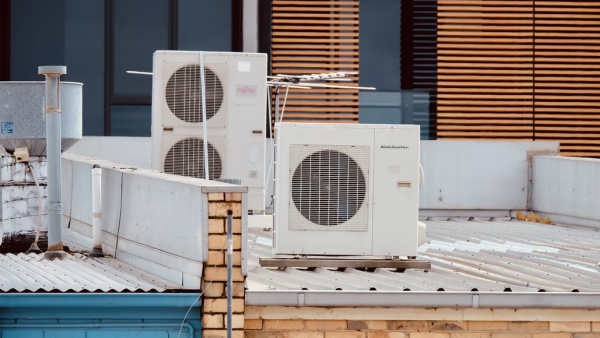
Sometimes called extraction fans, these fans come in every single home these days. They are literally designed to help extract air and transport it outside. You will typically find them in the two rooms most guilty of generating a lot of hot air and humidity: the bathroom and kitchen. 

In your kitchen, the exhaust fan usually sits above the cooker, helping to suck up steam while you cook. Always turn it on when cooking to stop your home from getting full of really hot and humid air that may lead to water damage. The same goes for your bathroom – this fan needs to be on whenever you shower or run the bath. It’s also a good idea to have it on when going to the toilet as it does help you get rid of some bad smells!

There’s a really easy and cool way to see just how effective these fans can be. Take a shower without the fan on and look at how foggy your bathroom mirror gets. The next day, take a shower with the fan on, and you should see a distinct difference. Just make sure you keep the fan clean as it can sometimes get clogged with dust, making it ineffective. Every month or so, remove the fan and clean it out. 

#3 Try to dry your clothes outside

Whenever this is possible, it will make a considerable difference to your home’s ventilation. Drying clothes inside will mean that so much moisture escapes from these clothes and gets into the air. The humidity levels rise uncontrollably, leading to dampness and mold. 

If you have a dryer, you can dry your clothes in that. Granted, many of you are looking to cut down on your energy bills, so letting clothes dry by themselves will help you avoid turning on the dryer. That’s completely fair enough, so hang them outside if you have enough room. If you live in an apartment, you sometimes get communal clotheslines to dry your clothes outside. If not, don’t worry, the next tip can also prove useful when drying your clothes indoors. 

#4 Buy a dehumidifier & air purifier

Two products are very effective at improving ventilation in your home. A dehumidifier works by extracting moisture from the air. You can turn it on whenever you like to decrease humidity levels and ventilate your home – much in the same way as an exhaust fan. It’s also handy for drying clothes very quickly indoors as it sucks the moisture from them. So, if you don’t have space to dry clothes outside, this is a great alternative. 

An air purifier will take allergens and other pollutants out of the air. It filters the air through the machine, removing these things and filling your home with cleaner air. This is one of those products you have to see in action to believe. It sounds ridiculous, but your air genuinely feels healthier after using a purifier for a few days. 

#5 Use an HVAC system

Some homes will already have a heating, ventilation, and air conditioning system installed. If this is the case, you will have air ducts throughout your home that can be used to filter air through. 

All you have to do is set your HVAC fan to on, so it runs and extracts air from your property, drastically improving ventilation. Effectively, you end up with an exhaust fan in every single room, with the added benefit of a filter to filter out harmful pollutants or airborne allergens. 

If you do not have one of these systems in your house, you may consider installing one. It’s a good idea if you also need air conditioning during the summer months. Here, you can combine your heating, air conditioning, and ventilation all into one. 

How do you know if your home isn’t well-ventilated? For starters, it will always smell a bit sour and stale, and you may constantly have a stuffy nose. Likewise, you could check the humidity – and if it is above 75% regularly, then there’s too much moisture in your home. Follow the tips above, and you will see massive improvements in ventilation, leading to a healthier and better property.

4 Food Tips For Your Camping Adventures

Camping with the family can be an exciting way to spend more time outdoors. Not only is it beneficial for your health, but you can also strengthen family bonds. It’s also a platform to introduce your kids to important life skills and how to adapt to changes life may throw their way. It’s no wonder that over 50 million Americans above six embraced camping in 2020 and 2021. One crucial thing to consider when camping is nutrition- you have to decide and plan what meals your family will consume. If you’re new to this, here are practical tips you can leverage for the best results. 

  • Create a plan 

The first step is to know what kind of camping you’re embarking on and create a plan best suited to it. For instance, you want to focus on your activities and length of stay to determine the best meals. For instance, if you don’t intend to go on many activities or camp for multiple days, you can prepare elaborate meals you don’t have to store for long. On the other hand, longer camping trips require foods with longer shelf life, while more activities may cause you to focus on simpler meals to save time and energy. You should also note that you may need more food and water if you plan to engage in more activities like canoeing, hiking, kayaking, etc. Therefore, you want to ensure that you’re well prepared. 

  • Consume your perishable meals first 

Perishable meals can quickly spoil or become stale and require preservation options like refrigeration. Since you may not have a fridge, eating these meals makes sense. This way, you can prevent food waste and loss of resources. For instance, if you’re bringing oven-baked chicken breast, you may want to consume it on the first day of your trip. While at it, you can learn how to make oven baked chicken breast if this is your first time trying this recipe. Experts advise putting your perishable foods directly on ice to prevent them from spoiling earlier than normal. 

  • Consider meal prepping before your trip 

Camping involves preparing your camping ground, setting your tent, fetching wood, etc. It can be more time-consuming to cook from scratch after these activities, making meal prepping at home essential. You can start preparing your ingredients at home for more elaborate meals to lessen the campground cooking time. You can begin by cutting all your veggies and storing them in air-tight plastic containers before putting them in your ice coolers. Consequently, you can cook your protein at home if it takes longer to cook. If you want to cook from scratch on the campsite, ensure that you cook easier meals, so you don’t become tired. 

  • Don’t forget your snacks 

It may not be practical to cook anytime you feel hungry. Therefore, you’ll find it helpful to pack snacks to satisfy your cravings. You can consider options like apple chips, potato chips, granola bars, s’mores popcorn, roasted chickpeas, nuts, etc.