What Compensation Can Food Poisoning Cases Provide?

Most food poisoning cases are relatively mild, but some can lead to serious complications, hospitalization, and even death. All over the world, food poisoning is a threat, impacting millions of people each day. Each year, an estimated 600 million people, or one in 10 across the globe, become ill and 420,000 people die from contaminated food, according to estimates from the World Health Organization.

The deadliest germs linked to the most severe cases of food poisoning include norovirus, and bacteria such as salmonella, E coli, listeria, and campylobacter. Although they may take days to appear, the most common symptoms of food poisoning include:

· Abdominal pain and cramps

· Bloating

· Nausea

· Vomiting

· Diarrhoea

· Fever

· Blood in stools

· Muscle weakness

· Dehydration

Foodborne illness can impact its victims in a variety of ways, forcing them to miss work, receive treatment in a hospital and potentially impact their health in the long term. It’s important to identify the source of the food poisoning and to hold accountable the business responsible to obtain the compensation deserved.

Those most vulnerable to exposure to food poisoning can suffer the greatest complications. Those high-risk people include:

· Adults over age 64

· Children younger than 5

· Pregnant women

· People who suffer from a weak immune system due to other complications

Long-term complications linked to food poisoning Beyond the immediate symptoms of the illness, food poisoning can lead to long-term, serious conditions, such as

· Hemolytic-uremic syndrome (HUS): A serious condition linked to E coli bacteria infection that can lead to kidney failure

· Brain, nerve damage: Victims infected by listeria can contract meningitis, or inflamed membranes surrounding the brain and spinal cord.

· Guillain-Barré syndrome: Campylobacter infections can trigger this condition where the immune system attacks the nerves.

· Chronic arthritis: Infections from shigella, salmonella, or campylobacter can result in reactive arthritis, with symptoms of pain in the joints, eye irritation, and painful urination.

Settlements in food poisoning cases

With such severe impacts of food poisoning, it’s important to recover the compensation you deserve from the responsible parties. A lawyer experienced in these cases can help develop the strongest case possible. With effective counsel from experienced lawyers, some examples of food poisoning lawsuit settlement amounts include:

· $370,000: A dozen Connecticut workers infected during a catered lunch became seriously ill, forcing the caterer to settle for about $30,000 for each victim.

· $625,000: An elderly woman’s family after she became ill from food poisoning

· $695,000: A man who became seriously ill with kidney failure from food poisoning

· $800,000: A man who developed gastrointestinal problems from Salmonella

· $1,093,500: Victims who contracted food poisoning from restaurant produce

· $50 million: A fast-food restaurant settlement in a class-action lawsuit over E. coli outbreak.

What factors affect a food poisoning lawsuit’s compensation?

A number of factors can determine the value of a food poisoning case, either increasing or decreasing the potential compensation that your lawyer can recover on your behalf, including:

· Illness severity: Longer-term complications beyond the typical extent of symptoms for a few days can increase a case’s value.

· Life impact: Any chronic or long-term complications caused by the illness can increase value.

· Lost income: When the illness affects the ability to work, either temporarily or permanently, this can increase the value.

· Ongoing medical care: The need for continued medical treatment, therapy or medication can increase the value.

· Negligence: The degree of a responsible party’s negligence can also increase the value.

· Evidence: If there is significant evidence against the defendant, that can increase the case’s value.

· Other factors: Evidence that a victim’s actions may have contributed to the illness can decrease a case’s value.
Your Comprehensive Guide to Fixing Your Household Items

Introduction

Keeping a well-maintained household is crucial for a comfortable and stress-free living experience. However, household items are bound to break or malfunction over time, and this can lead to frustration and inconvenience. Whether it’s a leaky faucet, a malfunctioning appliance, or a piece of furniture in need of repair, it can be challenging to find the right solution for these issues. This is where a comprehensive guide to fixing household items comes in handy. Knowing how to fix these items can save you time and money, as well as provide you with valuable skills that can be used for years to come. In this guide, you’ll find step-by-step instructions and helpful tips for fixing a wide range of household items. Whether you’re an experienced DIY-er or a newcomer to the world of household repairs, this guide will provide you with the knowledge and confidence you need to take on common household problems.

Appliance repairs 

Appliance repairs like this, appliance repairs in Canberra can be more complex than other household repairs, but with the right knowledge and tools, you can save money on costly repairs or replacements. When an appliance malfunctions, the first step is to identify the problem and determine if it’s something you can fix yourself or if you need to call a professional.

One of the most common appliance repairs is fixing a refrigerator that’s not cooling properly. This can be caused by a variety of issues, including a malfunctioning thermostat or compressor, a clogged condenser coil, or a broken fan motor. By troubleshooting the problem and identifying the root cause, you can often fix the problem yourself. Other common appliance repairs include fixing a dishwasher that’s not cleaning properly, a washing machine that’s not draining or spinning, or an oven that’s not heating up. Each of these repairs may require a different approach, so it’s important to do your research and follow the manufacturer’s instructions carefully.

Fixing a leaky faucet

Fixing a leaky faucet is one of the most common household repairs that you may encounter. Not only is a leaky faucet annoying and wasteful, but it can also lead to water damage and increased water bills. Fortunately, fixing a leaky faucet is a simple DIY repair that anyone can do with the right tools and knowledge.

To fix a leaky faucet, the first step is to turn off the water supply to the faucet. Then, remove the handle and the nut that holds the faucet in place. Next, remove the stem assembly and replace the washer that’s causing the leak. Once the washer has been replaced, reassemble the faucet and turn the water supply back on. It’s essential to make sure that all parts are tightly secured and that there are no leaks before turning the water back on. If you’re unsure about any part of the repair process, it’s best to seek the help of a professional plumber.

Installing a new doorbell

If you don’t have a doorbell, or if it’s broken and needs to be replaced, installing a new one is easy. If your old doorbell was wired into the electrical system of your house (which is what most people do), then all you need to do is unplug it from its power source and plug in your new one.

If not: You may still be able to install an indoor chime that connects directly to existing wiring without having to touch any wires yourself! This depends on how much workmanship went into building the home when it was built–if there are no exposed wires anywhere in sight then this option won’t work for you. If there are exposed wires nearby but they aren’t connected directly with others nearby (such as within 6 inches), then feel free to go ahead with this method since they won’t come into contact with each other while working on either side of them at separate times during the installation process…

Replacing a doorknob

Replacing a doorknob is another common household repair that may seem daunting, but with the right tools and steps, it can be a simple and straightforward process. A new doorknob can give your home a fresh look and increase its security.

To replace a doorknob, start by removing the screws that hold the old doorknob in place. Once the screws are removed, pull the doorknob apart and remove it from the door. Next, remove the latch plate from the edge of the door and insert the new latch plate. Then, install the new doorknob by inserting the spindle through the latch and aligning the two halves of the doorknob. Once the doorknob is in place, insert the screws and tighten them securely. Finally, test the doorknob to ensure that it’s functioning correctly.

Replacing your toilet seat

Replacing your toilet seat is a simple process that you can do yourself. The first thing to do is remove the old seat by pulling it off and throwing it away. Then, clean off any dirt from around where your new toilet seat will go using warm water and soap or another cleaning product of your choice. Next, place a small amount of plumber’s putty around where you want to install your new toilet seat mounting ring (this helps seal out moisture). Now simply press down firmly on top of this putty until it sticks firmly into place!

Finally, install your new toilet seat by placing it overtop of those two pieces we just installed–you’ll know when they’re aligned correctly because there will be no gaps between them at all! Once everything looks good, replace any covers on top with whatever type fits best in each situation (some people prefer flusher buttons while others like handles).

Conclusion

Fixing your household items may seem like a daunting task, but with the right knowledge and tools, it can be a simple and cost-effective solution. Not only will you save money by fixing items yourself, but you’ll also gain the satisfaction of knowing you can tackle household problems with confidence. By following the tips and techniques outlined in this guide, you’ll be able to extend the lifespan of your household items and keep your home running smoothly for years to come. So, whether you’re a seasoned DIY-er or a newcomer to the world of household repairs, this comprehensive guide will provide you with the knowledge and skills you need to tackle common household problems with ease. With a little effort and determination, you’ll be able to save money, reduce waste, and keep your home in tip-top shape for years to come.


Bathroom Resurfacing: Ideas to Transform Your Space

Introduction

Renovating a bathroom can be a costly and time-consuming project, but there are other options for transforming your space without breaking the bank. Bathroom resurfacing is an excellent alternative to a full bathroom renovation, allowing you to give your bathroom a fresh new look without the expense and hassle of a complete remodel. In this guide, we’ll explore some ideas for bathroom resurfacing that can transform your space into a stylish and modern oasis.

White subway tiles

White subway tiles are a classic and timeless choice for bathroom resurfacing. These tiles are a popular choice for their clean, simple design and versatility. They can be used to create a range of different looks, from modern and minimalist to traditional and classic.

One popular way to use white subway tiles in bathroom resurfacing is to create a classic subway tile backsplash. This involves installing white subway tiles in a brick pattern on the wall behind your sink or bathtub. This look is simple, elegant, and easy to maintain. Another way to use white subway tiles in bathroom resurfacing is to create a tiled shower surround. This involves installing white subway tiles on the walls of your shower to create a clean and modern look. You can also add a decorating border or accent tile to add some visual interest to the space.

Bold, bright colors

Bold, bright colors are a fun and playful option for bathroom resurfacing. Using vibrant colors in your bathroom can create a cheerful and energetic space that will brighten up your mornings. One way to incorporate bold, bright colors into your bathroom resurfacing project is to use colored tiles. Brightly colored mosaic tiles can create a playful and eclectic look, while solid-colored tiles in shades of pink, blue, or green can create a bold and vibrant statement. You can use these tiles on the walls or floors, or create a decorative border or feature wall.

Another way to use bold, bright colors in bathroom resurfacing is to paint the walls a bright color. This can be a great option if you want to create a bold statement without making a long-term commitment. Yellow, orange, and turquoise are popular choices for bright and cheerful bathroom walls. To balance the bold colors in your bathroom, consider using neutral or white fixtures and accessories. This will prevent the space from feeling too overwhelming and will allow the colors to be the focal point.

Dark floors and walls

Dark floors and walls are another popular choice for bathroom resurfacing. Dark colors can create a dramatic and sophisticated look that can transform your bathroom into a luxurious spa-like space. Dark floors are an excellent way to make a bold statement in your bathroom. Dark hardwood floors or dark-colored tiles can create a sleek and modern look, while also being easy to maintain. Dark floors also provide a great contrast to lighter walls and fixtures, creating a dynamic and visually interesting space.

Dark walls are another way to create a dramatic look in your bathroom. A deep navy or charcoal gray can create a moody and sophisticated atmosphere, while black walls can create a modern and edgy feel. When using dark walls in your bathroom resurfacing project, it’s important to balance them with lighter fixtures and accessories to prevent the space from feeling too heavy.

Tile accents and other features

Tile accents and other features are an excellent way to add some visual interest to your bathroom resurfacing project. Adding tile accents can create a unique and personalized touch to your bathroom, while other features such as a new vanity or lighting can completely transform the look and feel of the space.

One popular way to use tile accents in bathroom resurfacing is to create a decorative border or mosaic design. This involves using small tiles in different colors or patterns to create a design that adds some visual interest to the space. This can be done on the floor or on the walls, and can be as simple or complex as you like. Another way to use tile accents in bathroom resurfacing is to create a feature wall. This involves using a different type of tile or pattern on one wall of your bathroom to create a focal point. This can be a great way to add some interest to an otherwise plain bathroom, and can be easily updated with some simple decor changes.

Other features to consider when resurfacing your bathroom include a new vanity, sink, or lighting fixtures. These elements can completely transform the look and feel of your bathroom, and can be used to create a specific style or theme. For example, a vintage-style vanity and fixtures can create a classic and timeless look, while a modern vanity and sleek lighting can create a contemporary and sophisticated space.

Conclusion

Bathroom resurfacing is an excellent alternative to a full bathroom renovation, allowing you to transform your space without the expense and hassle of a complete remodel. Whether you’re looking to update your tiles, countertops, or bathtub, there are many options available for bathroom resurfacing that can give your space a modern and stylish look. By considering simple changes, you can give your bathroom a fresh new look without breaking the bank. We hope that this guide has provided you with some inspiration for your bathroom resurfacing project and that you can create a stylish and modern oasis in your home.

An Essential Guide to Finding the Right Floor Sweepers

Introduction

Maintaining a clean and hygienic environment is essential for any business or home. One of the most effective ways to keep floors clean and free of debris is by using a floor sweeper. However, with so many different types of floor sweepers available on the market, it can be challenging to know which one is right for your needs. In this essential guide, we’ll explore the different types of floor sweepers available and provide you with the information you need to find the right one for your business or home.

Why use a floor sweeper?

There are many reasons why you should consider using a floor sweeper. First, it’s fast and easy. You can use one in just minutes to pick up dirt and debris from your floors without having to bend over or get on your hands and knees (and risk getting dirty). Second, floor sweepers are ideal for hardwood floors and carpets alike because they have rotating brushes that agitate dirt from the surface of both surfaces while also picking up loose pet hair that may be lying around on either type of flooring material. Thirdly, because most models are lightweight–typically weighing less than 8 pounds–they’re easy enough for anyone who weighs less than 200 pounds (or has back problems) to handle comfortably while cleaning up after themselves at home or work!

Types of floor sweepers

There are three main types of floor sweepers: manual, automatic, and robot. Manual sweepers require you to push them around your home. Automatic floor cleaners have an onboard motor that allows them to drive themselves across floors by sensing obstructions with their sensors and avoiding them automatically. Robot vacuums are battery-powered robotic devices that can be programmed to clean floors at specific times of day or night so that you don’t have to worry about it at all!

There are also many attachments available for existing vacuum cleaners and mops that allow users who already own those products access all the benefits of having a dedicated floor sweeper in addition to their regular cleaning routine.

Features to Consider

When choosing the right floor sweeper, it’s essential to consider the features that will best meet your needs. Some important features to consider include the type of bristles, the size of the sweeper head, and the type of filtration system. Soft bristle sweepers are ideal for cleaning delicate surfaces such as hardwood floors, while stiff bristle sweepers are better suited for tougher surfaces such as concrete or tile. The size of the sweeper head will depend on the size of the area you need to clean, with larger heads being more efficient for cleaning larger spaces. A high-quality filtration system is also essential for capturing dust and other small particles, helping to maintain a clean and healthy environment.

Maintenance and Cost

In addition to cost, the maintenance requirements of a floor sweeper are an essential consideration when choosing the right one for your needs. Some sweepers require more maintenance than others, so it’s important to choose a sweeper that fits your maintenance schedule and budget. For example, some sweepers require daily cleaning and filter replacement, while others require less frequent maintenance. Additionally, it’s important to consider the availability of replacement parts and service support for the sweeper you choose. The cost of a floor sweeper will depend on several factors, including the type of sweeper, size, and features. Push sweepers are the most affordable option, while ride-on sweepers are the most expensive. Additionally, the cost of the sweeper will vary depending on the brand and quality. It’s important to consider the initial cost of the sweeper as well as the long-term cost of maintenance and repairs. While a more expensive sweeper may have a higher initial cost, it may save you money in the long run by requiring less maintenance and having a longer lifespan.

When choosing a floor sweeper, it’s important to balance the cost with the features and maintenance requirements to find the right one for your needs and budget. By considering these factors, you can choose a floor sweeper that will help maintain a clean and hygienic environment while also fitting within your budget and maintenance schedule.

Conclusion

Finding the right floor sweeper is essential for maintaining a clean and hygienic environment in your business or home. By understanding the different types of sweepers available, the features to consider, and the cost and maintenance requirements, you can choose the right floor sweeper that fits your needs and budget. Whether you need a small push sweeper for your home or a ride-on sweeper for your commercial or industrial space, there is a floor sweeper that will meet your needs. We hope that this essential guide has provided you with the information you need to find the perfect floor sweeper for your cleaning needs.

Waterproofing Products: How to Keep Your Home Watertight

Introduction

Water infiltration is a frequent and expensive issue that homeowners face. From leaky roofs to basement floods, water can wreak havoc on your home’s structure and belongings. Fortunately, there are many waterproofing products available that can help keep your home watertight and protected from water damage. In this guide, we’ll explore some of the most effective waterproofing products and how to use them to keep your home safe and dry.

Waterproofing Membrane and Sealants

A waterproofing membrane is a thin layer of material applied to the exterior of your home’s foundation, walls, or roof to prevent water penetration. There are many types of waterproofing membranes available, including liquid-applied, sheet, and spray-applied membranes. Liquid-applied membranes are often used for flat roofs, while sheet membranes are more commonly used for foundations and walls. Spray-applied membranes are used for interior waterproofing, such as in basements.

Sealants are another essential waterproofing product that can help prevent water infiltration. They are typically applied to joints, gaps, and cracks in your home’s foundation or walls to create a watertight seal. There are many types of sealants available, including silicone, polyurethane, and acrylic sealants. Silicone sealants are excellent for outdoor use, as they are weather-resistant and can withstand extreme temperatures. Polyurethane sealants are more durable and long-lasting than silicone, making them a good choice for high-traffic areas. Acrylic sealants are more affordable and easy to use, but they are not as long-lasting as other sealant options.

Waterproofing Paint

Waterproofing paint is another effective way to protect your home from water damage. Waterproofing paint is a specially formulated paint that contains additives designed to repel water. It can be applied to interior or exterior walls, concrete floors, and even roofs. There are many different types of waterproofing paint available, including epoxy, polyurethane, and latex-based options. Epoxy and polyurethane paints are more durable and long-lasting, but they require more preparation work and can be more expensive. Latex-based paints are more affordable and easier to use, but they are not as durable as other paint options.

French Drains

In addition to waterproofing membranes, sealants, and waterproofing paint, French drains are another effective way to prevent water damage in your home. A French drain is a drainage system that is installed around the perimeter of your home’s foundation to collect and redirect water away from your home. The system consists of a trench filled with gravel and a perforated pipe that allows water to flow into the system. The water is then directed away from your home and into a designated drainage area.

Installing a French drain is a complex process that typically requires professional installation. The trench must be dug around the entire perimeter of your home, and the system must be properly installed to ensure that it functions correctly. However, a French drain can be a highly effective way to prevent water infiltration and protect your home from water damage.

Maintenance

While waterproofing products can help prevent water damage, it’s important to keep them properly maintained to ensure that they continue to function effectively. Conducting routine inspections can assist in detecting any potential problems before they escalate into more significant issues. For example, if you notice cracks or gaps in your foundation, it’s important to seal them with a waterproof sealant to prevent water from infiltrating. Additionally, it’s important to keep gutters and downspouts clear of debris to ensure that they are properly directing water away from your home.

Conclusion

Water damage can be a costly and stressful problem for homeowners, but it can be prevented with the right waterproofing products and maintenance. From waterproofing membranes and sealants to waterproofing paint and French drains, there are many effective products available to help keep your home watertight and protected from water damage. By understanding the different types of waterproofing products available and how to use them, as well as maintaining them properly, you can take steps to protect your home from water infiltration and ensure that it remains safe and dry for years to come. We hope that this guide has provided you with the information you need to select the best waterproofing products and maintain them properly to protect your home.

A Comprehensive Guide to Garage Doors to Keep Your Home Secure

Introduction

Your garage door is one of the most important features of your home’s security system. Not only does it protect your car and other belongings from the elements, but it also keeps your home secure from intruders. With so many different types of garage doors on the market, it can be challenging to know which one is the best for your needs. In this comprehensive guide, we’ll take a look at the various types of garage doors available and provide you with the information you need to make an informed decision about which one will keep your home secure. Keep in mind that your garage door will not remain perfect forever, so if you start to develop an issue with it, you will need to look into garage door repairs in Dayton, or wherever you live, so you can get it fixed as soon as possible.

Types of Garage Doors and Materials

The first step in selecting the right rgarage door is understanding the different types available. Traditional garage doors typically come in two styles: swing-out and roll-up. Swing-out doors open like a set of double doors, while roll-up doors operate by rolling up into a coil above the door opening. More modern styles include sectional, sliding, and overhead doors. Sectional garage doors are made up of individual panels that slide upward and backward on tracks, while sliding doors operate on tracks and slide to one side of the garage opening. Overhead doors are similar to sectional doors but feature a single panel that moves up and down on tracks.

Once you’ve chosen a style of residential garage door, the next step is selecting the right material. The most common materials for garage doors include wood, steel, aluminum, fiberglass, and vinyl. Wood is a popular choice for its natural beauty and durability, but it requires more maintenance than other materials. Steel is the most popular material for garage doors due to its durability, low maintenance, and affordable cost. Aluminum is a lightweight, rust-resistant option that is best suited for mild climates. Fiberglass and vinyl are newer materials that offer excellent insulation and durability, but they are more expensive than other options.

Security Features and Insulation

When it comes to garage doors, security is a top priority. Many modern garage doors feature advanced security features such as remote-controlled operation, smart home integration, and automatic locking systems. Additionally, you can add extra security measures such as door sensors and security cameras to provide added protection for your home.

Insulation is another important factor to consider when choosing a garage door. Insulated garage doors are designed to keep heat in during the winter and out during the summer, helping to lower your energy bills. They also help reduce noise levels from outside the garage, making them a great option if you have a home office or living space above the garage.

Backup power in case of a power outage

If you have a garage door opener, it’s important to make sure that you have backup power for your door. This can be in the form of a battery backup or a generator. A battery backup will keep your garage door working for up to 24 hours if there is a power outage, which means that even if the electricity goes out at midnight, your garage door will still open and close as usual in the morning when things are back up and running again!

Generators are great because they allow users to continue using their garage doors even during extended blackouts–generators can provide enough energy for several days’ worth of use before needing refueling or maintenance services.

Openers can be easily disabled by burglars, but you can make yours harder to disable

The best way to do this is by installing a backup battery or power supply in case of power outages. This will ensure that your garage door can still open even if there’s no electricity available. You should also check the bolts holding your opener in place and tighten them as needed–if they’re loose enough for someone to remove, then they could easily be taken off altogether by someone looking for an easy way into your home!

The next step is making sure that nobody has access from outside or inside of your home when opening and closing their garage door (especially if children are living at home). For example, You may want to install an alarm system with sensors for glass breakage and motion detection so that not only does it alert others when someone tries breaking in but also keeps them safe too!

Conclusion

Your garage door is an essential component of your home’s security system. It’s not only an entry point for your car and belongings, but it’s also a potential entry point for intruders. Choosing the right garage door is crucial to keeping your home secure. By exploring the various types of garage doors available and their features and benefits, you can make an informed decision about which one is right for your needs. Additionally, by considering important factors such as security features, and insulation, you can ensure that your garage door will not only protect your home but also function efficiently for years to come. We hope that the information provided in this guide will help you choose the best garage door for your home’s security needs.

Ideas to Make the Best of Your Bathroom Space

Introduction

The bathroom is often considered one of the most important rooms in the house. It’s where we get ready for the day ahead and wind down at night, so it’s important that it’s functional, comfortable, and inviting. However, bathrooms can be small, awkwardly shaped, and lack storage space, making it a challenge to create the perfect oasis. Fortunately, there are many ways to make the most of your bathroom space, whether you’re dealing with a tiny powder room or a spacious master bath. In this guide, we’ll share some ideas to help you maximize your bathroom space and create a beautiful and functional environment.

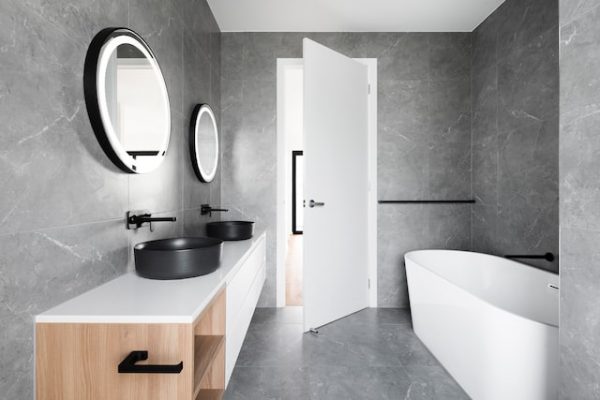
Bathroom above counter basins

One fixture that can add style and functionality to your bathroom is the above counter basin. Bathroom above counter basins come in a variety of shapes, sizes, and materials, and they can add a touch of style and sophistication to any bathroom. They can be mounted on top of a bathroom vanity, providing additional counter space and storage options, or they can be installed on a floating shelf or countertop for a more modern and minimalist look. Above counter basins can also be used to create a statement piece in your bathroom, whether you choose a bold color or an interesting shape.

Give yourself more storage with recessed shelving.

Recessed shelving is a great way to add extra storage space to your bathroom. Recessed shelving can be installed either on the wall or floor, depending on what you need it for and how much space you have available. It’s important that the shelf you choose is sturdy enough to hold all of your bathroom items and that it’s installed correctly so it doesn’t fall apart over time. You also want to make sure that any recessed shelving unit is waterproof–if not, water damage could occur if water splashes onto its surface or humidity seeps through cracks in its surface (or worse yet, mold!). And finally: make sure that whatever size you get will fit well within your available space.

Use open space to your advantage by placing a shower seat at the back of your tub.

One of the best ways to make use of your bathroom space is by installing a shower seat at the back of your tub. Shower seats can help you save energy because they allow you to bathe with just half as much water as you would if you were standing up in a full-size bathtub. They’re also useful for people with mobility issues who need assistance getting into and out of the tub, or simply want an easier way to relax when taking baths or showers.

You might not think about using them for cleaning pets, but there are many ways that pet owners can benefit from having a shower seat installed near their faucet–for example, they can use it while giving their animals baths! Shower seats provide extra support while washing dogs’ fur and allow cats’ sensitive paws to ease when getting wet (and being dried off).

Use the space you have and Organize items by category

Use the space you have. The step to making your bathroom more organized is to think about how it can be used more efficiently. If you have a small bathroom, don’t go out and buy a large vanity with multiple drawers–it will just take up more space than necessary. Instead, find out what works best for your needs and make sure that everything has its place on the counter or in one cabinet or drawer (or even in a few smaller containers).

Organize item elements by category. You should consider organizing items by category so that all of your towels are together in one place instead of being scattered throughout different cabinets or drawers–and if there’s room for another shelf above those towels, then all the better. To keep things tidy when using them regularly (and thus avoiding clutter), consider buying hangers with clips instead of hooks; these make it easier both when hanging up clothes after wearing them and taking them off again later on down the road too.

Hang hooks and racks behind the door to keep towels off the floor.

If you don’t want to spend money on a new towel rack, there are other ways to make use of the space behind your bathroom door. You can hang hooks and racks on the back of your door to keep towels off the floor. Not only will this look nicer than a pile of wet towels, but it also makes it easier to grab when getting out of the shower or tub.

If you have more than one person who uses this space in their bathroom (or even if it’s just for yourself), consider hanging two hooks on opposite sides so that there’s room for everyone’s stuff without having them overlap each other anyway. You could also try using these same tactics with robes or bathrobes by attaching another piece of wood to either side with nails or screws!

Add a towel bar that’s long enough for two or three towels to hang side-by-side.

One of the easiest ways to maximize your bathroom space is by adding a towel bar that’s long enough for two or three towels to hang side-by-side. This will ensure that you have enough room for everyone in your family, even if they’re all trying to get ready at once.

It’s important to make sure that the bar itself is sturdy enough not only to hold up all those towels but also to avoid tipping over when someone leans on it while getting dressed or drying off after a shower. You’ll also want something with some style–whether it’s sleek and modern or more traditional–so that it fits in well with other fixtures in your bathroom.

Use part of the wall under your sink cabinets as storage by installing a drawer unit 

A drawer unit installed under your sink cabinets can be used as storage for towels, cleaning supplies, and other items. Caster-mounted or track-mounted drawers are available in a variety of sizes and styles. If you choose casters, they’ll allow you to pull out the drawer on wheels when you need it; if you choose tracks, they’ll slide right out on their own.

If your bathroom has space under the vanity or sink cabinet (ideally at least 24 inches), consider installing a drawer unit there. The best way to utilize this space is by installing an under-mount full extension ball bearing slide system that allows for easy access from either side of the cabinet door; this will allow it to open completely so all contents within can be seen at once without having to open more than one door at once which saves time while also preventing any potential spillage due to excess motion while opening doors during use such as flushing toilets etcetera

Conclusion

Maximizing your bathroom space requires careful planning and creative thinking, but the results can be well worth the effort. By utilizing space-saving solutions, incorporating smart storage options, and selecting the right fixtures and decor, you can transform your bathroom into a functional and stylish oasis that meets all your needs. From small tweaks to major renovations, there are plenty of ideas to make the most of your bathroom space and create a welcoming and comfortable environment. We hope that the ideas presented in this guide will inspire you to create a beautiful and functional bathroom that you’ll enjoy for years to come.

A Comprehensive Guide to Building Your Dream Home on Budget

Introduction

Building your dream home can be a thrilling experience, but it can also be overwhelming, especially when it comes to budgeting. The cost of building a home can quickly spiral out of control, leaving you with a project that is unaffordable and incomplete. However, it is possible to build your dream home on a budget with careful planning and strategic decision-making. One option to consider when looking to build a budget-friendly home is modular homes like this, NSW modular homes. In this comprehensive guide, we will provide you with the essential tips and strategies you need to know to build your dream home within your budget. 

Finding the right land

When it comes to finding the right piece of land for your new home, there are many things to consider. You’ll want to pick a place that is close to family and friends so you can visit them often. It’s also important that the neighborhood be safe, with good schools nearby. You should consider living near the city center, but not too close; this way, you can still enjoy all the amenities of living in a big city while still having enough space outside of it all. That said, finding new land isn’t the only path forward. If you already own a suitable plot, you can build a home on your lot Delaware (or elsewhere) by working with experienced experts who handle everything from site evaluation to design and construction. This option allows you to make the most of your existing land while creating a home that’s tailored to your needs and lifestyle.

Finally, when looking at properties for sale online or elsewhere (like real estate agents), don’t forget about how much land comes with each house-you need plenty of room for gardens and outdoor activities.


choosing the right floorplan

Deciding on the type of home you want

Choosing the right style for your family is the first step in home building and designing that meets all of your needs. While it may be tempting to go overboard on size or luxury, this can end up costing you more money than necessary. Instead, consider what you will use in your new space and how much use it will get over time. You might also want to consider whether or not there are any plans for children or pets (or both). If so, do some research and find out if those things would be better suited in another type of house altogether–such as an apartment building with amenities for kids and pets instead of trying to squeeze them into one large house where they won’t have enough room.

If budgeting isn’t something that interests you yet but still wants help finding cheap materials without compromising quality then check out our guide here: [link].

Deciding on building materials based on the scope of your project

When you are building your dream home, it is important to know the types of materials that will be used. It is also important to understand how much each type of material costs and how much money it will cost in total.

The cost of building materials depends on two factors: quality and quantity. The higher quality the material is, the more expensive it will be; however, if you purchase less expensive materials but buy more than necessary for your project then this could end up costing more than purchasing high-quality ones in the first place!

Starting the design process early

The design process is a long one, so it’s important to start early. You’ll need to meet with your architect and builder regularly, and you can expect the entire process–from the conception of the house plan to moving in–to take about three years.

You may find that designing a house is overwhelming at first; countless decisions need to be made throughout the process, from floor plans to materials used for walls and roofs. It helps if you have an idea about what kind of home you want before embarking on this journey.

Making sure you have the right team in place for your project

When it comes to building your dream home, having the right team in place is key. You want to make sure that the contractor you hire is dependable and has experience with what they’re doing. A good designer will also help guide you through the process of building your house so that it turns out exactly how you want it to look.

When hiring contractors, designers and other professionals for your project make sure they have experience working with clients like yourself–you don’t want someone who specializes in high-end luxury homes if all your budget can afford is something more modest! Also, keep in mind how much time each person will need on their end; if there are multiple people involved then this could add up quickly over time which could mean additional fees down the line (and possibly delays).

Creating realistic budget expectations

When you are beginning to plan your dream home, it is important to know what you can afford. Your budget should cover the cost of the land and building materials, as well as the professionals who will help you build your home.

Land prices vary widely depending on location and condition; however, it’s best to expect that they will be higher than you initially thought they would be–especially if it is difficult to find a piece of land in an area that meets all of your requirements.

The price of houses also varies depending on size, style, and location; however, this price tends not to fluctuate as much as land does because most homes have been built recently (or renovated) so there isn’t much variation between them.

Conclusion

Building your dream home on a budget requires careful planning and decision-making. From finding the right location to selecting the best materials and hiring the right professionals, there are several factors to consider when building a home. However, with the right strategies and a clear understanding of your budget, you can build the home of your dreams without breaking the bank. By following the tips and advice provided in this guide, you will be able to save money, maximize your resources, and create a beautiful, functional, and affordable home that meets all your needs and desires.

Landscaping Supplies: Tips to Find the Best Quality and Selection

Introduction

Landscaping your backyard is a big project. You have to consider all of the elements, from the plants and trees you’ll use to the irrigation system that keeps everything watered and healthy. You’ll also need some tools for digging holes and other projects around your home. There are hundreds of landscaping supplies available on the market today, but how do you know which ones are best? This guide will help you find high-quality materials and avoid getting ripped off at every step along the way:

Do Your Homework

Do your homework. Research different landscaping materials, landscapers, landscaping companies and contractors, suppliers, and retailers. By doing this, you can make sure you get exactly what you want for the best price possible.

Know Your Needs

The first step to finding a good landscaping supply shop is knowing what you need and want. You need to know your budget, how much time you have to work on the project, and whether or not you wish to do any of the work yourself. If so, then an employee at a local nursery or garden store may be able to offer advice and suggestions based on their experience working with customers who’ve done similar projects before.

Price is Important, but Not Everything

Price is important, but not everything. When you’re buying landscaping supplies, quality is also an important factor to consider. The saying “you get what you pay for” applies here—you can find a good deal on quality products if you look hard enough and know what to look for. If you are buying online, make sure the website is reputable and secure! If buying from a local store, ensure that they have been in business for many years so that their reputation is solidified in the community before making any purchases from them (or any other retailer).

Preview the Landscaping Supplies You Want

Previewing the landscaping supplies you want is another great way to find out if they’re right for your home. You should go to the store and look closely at the materials. Look at their quality, ask questions about them, and ask if you can bring a sample home with you so that you can see how it looks in your yard or garden.

Ask Questions of Expert Landscapers

When you’re looking for the best landscaping supplies, it’s important to ask questions of expert landscapers, like these landscaping supplies in Brisbane. Ask about the quality of the materials and warranty, service, delivery, and installation. Also, ask about their experience in your area and how many references they can provide you with.

You can find a good landscaper who will help you pick out the right materials.

The best way to find a good landscaper is by asking for recommendations from friends and family. You can also search online, but be sure to look at reviews as well as ratings, since some sites only show the number of stars or thumbs up given by users without giving reasons why people rated them so highly.

Once you have a list of potential landscapers, ask them for references and portfolios of previous projects they’ve worked on. These will give you an idea of the quality of work they provide before you hire them for your project!

Conclusion

If you’re looking to make a significant change in your yard, it’s important to do your research. Having a professional help you pick out the right materials can save you time and money in the long run.

Maximizing Your Cooling System: Tips for Evaporative Cooling Performance

Introduction

If you’re using an evaporative cooling system to keep your home cool, you want it to be working at its maximum efficiency. A dirty indoor coil and blocked vents are just two factors that can inhibit your air conditioner’s performance. Find out more about how to make sure your evaporative cooling system runs smoothly by following these tips:

Maximize Indoor Airflow

To maximize the performance of your evaporative cooling system, there are a few things you can do to help it run efficiently. First and foremost, make sure that your indoor coil is clean and free from debris. Debris buildup on coils can reduce airflow and lead to poor performance or even damage (which would require expensive repairs).

Secondly, ensure that proper airflow exists in the house during periods of use–this means opening windows as needed and making sure there aren’t any leaks in the ductwork or attic spaces. An improperly sealed home will cause hot air to leak out through cracks in walls or ceilings instead of being cooled by an evaporative cooler.

Make Sure Your Outdoor Coil Is Clean

To ensure your outdoor coil is as clean as possible, you’ll want to clean it at least once a month. This will help keep the system running efficiently and effectively.

It’s easy to tell if your outdoor coil needs cleaning: look for black or brown spots on it. If you see these, then that means dirt has accumulated on top of your evaporative cooling system’s condenser (the component responsible for cooling).

If there are no visible signs of dirt accumulation, then consider using a garden hose with warm water pressure and mild soap (like dishwashing liquid) to wash away any dust or grime that has collected on top of this component over time.

Fix Leaks and Poor Insulation

The first thing you should do is make sure your home is tight and well-insulated. This isn’t just an issue with evaporative cooling systems; it’s also essential for air conditioning. If you have poor insulation or leaks in your home, you’ll waste energy and money on both heating and cooling.

The easiest way to check for leaks is to use a moisture meter (or “moisture tester”) like this one from Amazon. Simply plug it into any outlet, then wave it around the outside walls of your house until it lights up. If there are any moist areas where there shouldn’t be any moisture at all (like inside walls), those are likely places where water has gotten into the wall cavity from outside sources (such as rainwater runoff or sprinkler systems running too long during rainy seasons), which means they need fixing before installing an evaporative cooling system!

Monitor Temperatures

You should monitor both indoor and outdoor temperatures. The temperature difference between the two is your evaporative cooling system’s ability to cool.

The simplest way is to use a thermometer, but there are also more precise ways to measure temperature. If you have access to a digital indoor or outdoor thermometer with a hygrometer (humidity), this will give you accurate readings of both indoor and outdoor conditions. You can also buy an inexpensive weather station that will provide all of this information in one compact package–and some even come with wireless capabilities so they can be placed anywhere in your home or office!

Sealing Up Holes in the Attic or Crawlspace

Sealing up holes in the attic or crawlspace is a good idea for more reasons than one. Not only will it help keep your home cool, but it can also prevent pests from getting inside.

Once you’ve sealed up all of those pesky little cracks and gaps, make sure to check out our guide on how to maximize your cooling system: Tips for Evaporative Cooling Performance!

You can maximize your evaporative cooling by making sure you have a clean indoor coil, a working HVAC system, and that your attic or crawlspace vents aren’t leaking.

The most important thing to remember when trying to get the most out of your evaporative cooling system is that it’s not just about whether or not you have an evaporative cooler in place – it’s also about how well-maintained that unit is. If there are leaks in the ductwork and poor insulation on windows and doors, then chances are good that some of the moisture being pulled out by the air exchange will return inside again before it has time to cool down!

Conclusion

Now that you know the ins and outs of evaporative cooling, it’s time to get started on your system! If you have questions about where to start or what kind of equipment would work best for your home, give us a call today.