Leaky faucets, clogged drains, and broken pipes are common household issues that can disrupt daily life. Studies have shown that addressing these problems swiftly not only prevents larger issues but also preserves the integrity of your home. local plumbers offer significant advantages when it comes to home repairs, from personalized services to cost savings. Their intimate knowledge of regional plumbing intricacies ensures that your home receives the best possible care. Below, we’ll explore the various ways hiring local plumbers can transform your home repair experience.
How Hiring Local Plumbers Transforms Your Homes Plumbing System
March 30, 2026 Leave a Comment
Dealing with plumbing issues can be a grueling challenge for homeowners. A drip here, a leak there, and soon, you’re facing water damage, mold growth, or skyrocketing utility bills. Engaging a local plumber not only resolves these nuisances but can also transform your home’s plumbing system into a more efficient and reliable network. Skilled craftsmen familiar with the area’s infrastructure bring a wealth of problem-solving techniques to the table.
Local plumbers can often provide quicker response times and more personalized service than larger, more impersonal companies. They understand the specific needs of the community and have a vested interest in maintaining a solid reputation within the area. Below, discover how hiring neighborhood plumbing experts can lead to significant improvements in your home’s plumbing health.
Local Plumbers Transforming Home Plumbing Systems
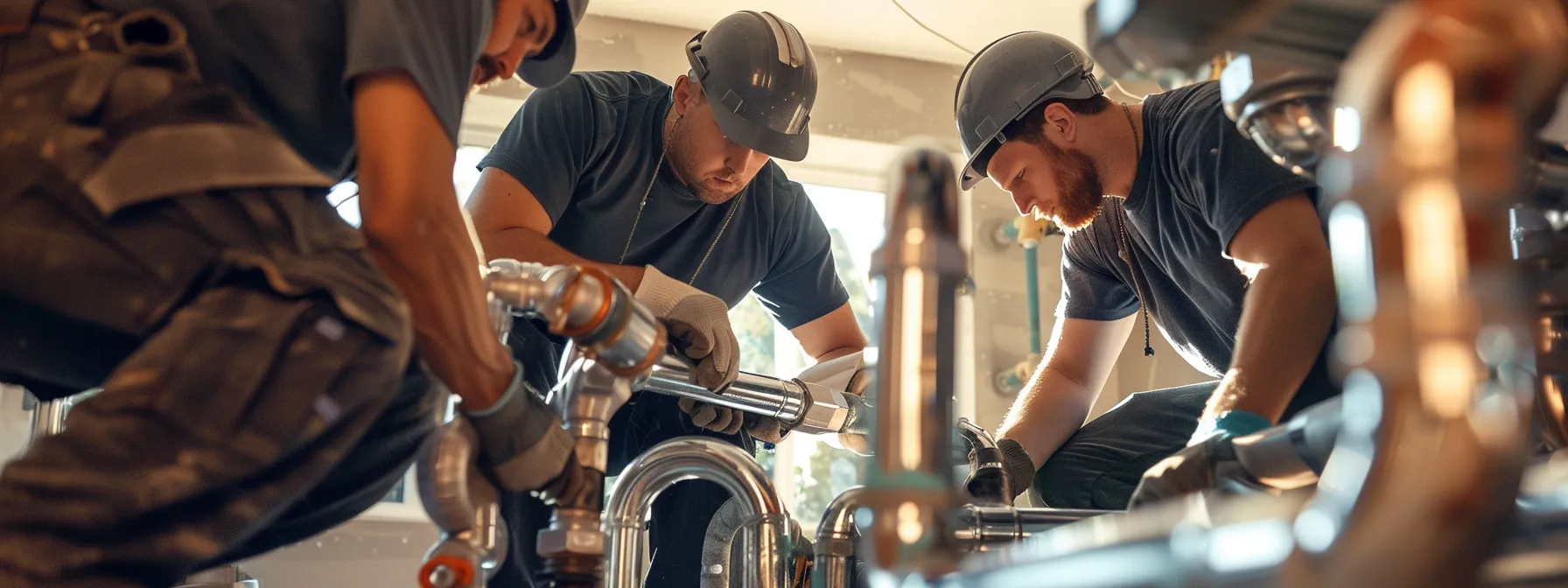
local plumbers Hiring local plumbers can be a game-changer for homeowners grappling with outdated or problematic plumbing. These professionals have intimate knowledge of the local water quality, pressure issues, and common plumbing challenges, allowing them to tailor their services effectively.
With insights garnered from years of working within the community, they are adept at recommending upgrades or modifications that could avert myriad issues down the line. For example, they might suggest a particular type of piping that is more resistant to corrosion caused by the local water chemistry.
Act on their advice by scheduling regular maintenance checks. This proactive approach helps catch potential problems early on, avoiding the need for costly emergency repairs in the future and preserving the integrity of your home’s plumbing system.
Expertise in Local Codes and Regulations for Plumbing
Local plumbing experts bring a critical advantage to the table: an understanding of the area’s specific building codes and regulations. Noncompliance can lead to penalties or necessitate costly rework, so it’s essential to get it right the first time.
These seasoned professionals ensure that all installations and repairs are up to code, protecting you from legal predicacies. Their experience with permits and inspections makes them an invaluable resource, guiding homeowners smoothly through necessary bureaucratic processes.
When considering a plumbing project, reach out to a local plumber who can provide details on relevant requirements. They’ll handle the red tape, allowing you to focus on the practical aspects of your project without getting bogged down by paperwork.
Sustainable Plumbing Solutions from Neighborhood Experts
Inciting little fanfare yet yielding significant benefits, sustainable plumbing solutions are a forte of local plumbing artisans. Such solutions not only conserve water but also reduce overall energy consumption, translating to lower bills and a reduced carbon footprint.
Be it installing low-flow fixtures or tankless water heaters, neighborhood plumbers can advise on the best eco-friendly options tailored to your needs. They may even inform you of local initiatives or rebates for green upgrades, helping to offset initial costs.
Consider scheduling an energy audit with a local plumber to see where you might make eco-conscious improvements. They can perform detailed assessments and offer practical, impactful recommendations that align with sustainability goals and financial considerations.
Enhancing Home Value with Professional Plumbing Upgrades

Delving into the real estate market reveals a truth: homes with modern, efficient plumbing systems often command higher resale values. Professional plumbing upgrades are an investment that can offer substantial returns when done right.
Upgrading to contemporary fixtures, solving persistent problems like hard water with water softeners, or overhauling your entire system can be major selling points. Local plumbers can expertly execute these improvements, adding both functionality and aesthetic appeal to your home.
Towards this objective, prioritize upgrades that combine both visual appeal and functionality. A well-chosen appliance, such as a stylish faucet that also saves water, can make a significant difference. Consulting with a local plumber on the most impactful improvements can set your home apart in the housing market.
Ultimately, the value local plumbers bring to your home’s plumbing system is clear and multi-dimensional. From enhancing systemic efficiency and ensuring code compliance to promoting sustainability and enriching property value, neighborhood plumbing experts prove indispensable. Let their insights guide you in maintaining and enhancing one of the vital systems within your home, ensuring both current comfort and future value.
Top Signs Your AC Needs Repair and How to Spot Them Early
March 29, 2026 Leave a Comment
Air conditioning units are a staple of modern comfort, particularly during the hot summer months. However, like any appliance, your AC can encounter issues that reduce its efficiency or cause it to stop working altogether. Knowing the signs that an AC needs repair can help homeowners avoid larger, more expensive problems. In this article, we’ll go over some of the most common signs that your AC needs repair and provide helpful tips on when to seek professional help.
By staying proactive, you can keep your home cool and comfortable year-round.
Strange Noises from Your AC
One of the most obvious indicators that your AC might need repair is strange sounds. While most air conditioners make a mild noise when running, loud banging, screeching, or rattling is a red flag. These sounds could indicate loose parts, a broken fan, or a motor malfunction. Ignoring these noises can lead to further damage, potentially requiring costly repairs or replacements.
If you hear any unusual sounds, it’s best to call a professional technician to diagnose the problem before it worsens.
Warm Air Blowing from the Vents
If your AC starts blowing warm air, this is another common sign that something is wrong. The reasons for this can vary: a refrigerant leak, a broken compressor, or clogged air filters. The first step is to check the thermostat settings to ensure they are correct. If the thermostat is set to “cool” but warm air is still blowing, it’s time to consider contacting an expert for further investigation.
For those in Winder, finding a reliable AC repair in Winder, GA can help restore your AC to optimal performance.
Poor Airflow
Another sign that your AC may need repair is weak airflow. If you notice that the air from the vents is not as strong as usual, this could be due to several factors, such as
clogged filters, a blocked duct system, or a malfunctioning blower fan. Reduced airflow can strain your AC, causing it to work harder and consume more energy.
Regular filter maintenance and cleaning can help prevent this problem, but if airflow remains weak despite these efforts, it’s time to call a professional.
Water Leaks Around the Unit
Water pooling around your air conditioner is not something to take lightly. AC units naturally produce condensation, but if this moisture is leaking from the unit, it could indicate a problem with the drainage system or a refrigerant leak. If left unaddressed, water leaks can lead to mold growth or water damage to your walls and floors.
Make sure to inspect your AC periodically for any signs of moisture around the unit. If you notice any, it’s best to schedule a repair service to avoid costly repairs later.
Foul Odors Coming from the Vents
If you smell something musty, burnt, or similar to rotten eggs when your AC is running, it’s a clear indication of a problem. Musty odors could be caused by mold or mildew buildup in the AC system, while burnt smells may point to an electrical issue. Either way, these odors are a sign that you should get your system checked by a technician as soon as possible.
Ignoring foul smells can lead to more severe issues, including compromised air quality in your home.
High Humidity in Your Home
While air conditioners are designed to cool the air, they also help reduce humidity levels. If you notice the air feels damp or sticky even with the AC running, it may not be dehumidifying properly. High humidity levels can lead to discomfort and even health issues such as mold growth. A technician will be able to inspect your system and determine whether it needs a repair or a more extensive replacement.
Conclusion
Your air conditioner is a vital appliance, and recognizing when it needs repair can save you from higher costs down the line. Pay attention to the signs of malfunction,
such as strange noises, poor airflow, or water leaks. Regular maintenance and early detection of issues can extend your unit’s lifespan.
If you’re experiencing any of these issues, don’t hesitate to reach out to a professional technician for assistance. For those in Winder, you can find expert AC repair in Winder, GA services to get your unit working efficiently again.
How Installing a Smart Thermostat Can Reduce Monthly Bills?
March 12, 2026 Leave a Comment
In today’s world, where energy costs are rising and environmental concerns are growing, saving money and reducing energy consumption are top priorities for many households. Installing a smart thermostat is one simple yet effective way to achieve both. These modern devices make managing your home’s temperature more convenient and contribute to significant savings on your monthly energy bills. Let’s explore in detail how a smart thermostat works, the ways it helps reduce costs, and why it’s a worthwhile investment for any homeowner.
What Is a Smart Thermostat?
A smart thermostat is an advanced version of a traditional thermostat designed to optimize your home’s heating and cooling system. Unlike basic thermostats that require manual adjustments, a smart thermostat connects to your home’s Wi-Fi, allowing you to control the temperature remotely using a smartphone, tablet, or voice commands. Many smart thermostats come equipped with innovative features like scheduling, tracking energy usage, and learning your temperature preferences over time. This makes them a practical and intelligent solution for managing your home’s comfort and energy efficiency.
How Does It Save Money?
Smart thermostats save money by optimizing your heating and cooling systems to use energy only when necessary. Here are the key ways they achieve this:
1. Efficient Scheduling
One of the standout features of a smart thermostat is its ability to create detailed schedules for heating or cooling your home. For example, you can program it to reduce energy use when you’re not at home and increase comfort levels shortly before you return. This ensures that energy is not wasted during unoccupied hours. Over time, these adjustments can result in substantial savings on your energy bills.
2. Learning Your Habits
Many smart thermostats come with learning capabilities. They analyze your daily routine and adjust the temperature automatically to match your habits. For instance, if you leave for work at 8 a.m. and return at 6 p.m., the thermostat can reduce heating or cooling during the day and adjust to your preferred temperature just before arriving home. This personalized optimization eliminates unnecessary energy use without compromising comfort.
3. Remote Control
Did you forget to adjust the thermostat before leaving for vacation? No problem! With a smart thermostat, you can remotely control your home’s temperature through a smartphone app. This means you can ensure the heating or cooling is turned down while you’re away and bring it back to a comfortable level just before you return. This feature provides both convenience and energy savings, especially for busy households or frequent travelers.
4. Energy Usage Insights
Smart thermostats provide detailed reports on your energy usage. These insights help you understand when and how energy is being used, allowing you to identify patterns and make informed decisions about further optimizations. For instance, if the reports show high energy consumption during certain hours, you can adjust your schedule to reduce costs.
5. Integration with Other Smart Devices
Smart thermostats often integrate seamlessly with other smart home devices, such as motion sensors, smart blinds, and voice assistants. For example, motion sensors can detect when no one is home and automatically signal the thermostat to adjust the temperature. Similarly, smart blinds can work with the thermostat to block out heat on hot days or let in sunlight on cold days, reducing the need for artificial heating or cooling.
Real Savings on Bills
According to studies, households with smart thermostats can save between 10% and 15% on heating and cooling costs annually. While the exact savings depend on factors like your location, energy rates, and usage habits, the reduction in monthly bills often offsets the initial cost of the device within one to two years. For example, if your annual energy bill is $2,000, a 10% reduction translates to $200 in savings per year.
Environmental Benefits
Beyond financial savings, using a smart thermostat helps reduce your carbon footprint. You’re contributing to lower greenhouse gas emissions and a healthier planet by minimizing energy waste. This makes smart thermostats a great choice for environmentally conscious homeowners who want to make a positive impact while enjoying the benefits of modern technology.
Choosing the Right Smart Thermostat
When selecting a smart thermostat, consider factors such as:
1. Compatibility: Ensure the thermostat is compatible with your existing HVAC system.
2. Ease of Use: Look for a user-friendly interface and straightforward installation.
3. Features: Decide which features are most important, such as learning capabilities, voice control, or energy usage reports.
4. Brand Reputation: Popular brands like Nest, Ecobee, and Honeywell offer reliable models with varying features to suit different needs and budgets. 5. Energy Rebates: Check if your utility company offers rebates or incentives for installing a smart thermostat, which can further reduce the upfront cost.
Additional Tips for Maximizing Savings
1. Proper Installation: Ensure the thermostat is installed correctly for optimal performance. Many manufacturers provide step-by-step guides, or you can hire a professional.
2. Regular Maintenance: Keep your HVAC system well-maintained to ensure it works efficiently with your smart thermostat.
3. Set Realistic Temperatures: Avoid setting extreme temperatures; small adjustments can make a big difference in energy consumption.
Final Thoughts
Installing a smart thermostat is smart for anyone looking to lower energy bills and live more sustainably. This modern device makes temperature management more convenient, helps you save money, and reduces environmental impact. It’s a simple upgrade that pays for itself over time while adding comfort and efficiency to your daily life. If you’re ready to take control of your energy usage, a smart thermostat is the perfect place to start.
Why Consistency is Key When Using Cannabis for Therapeutic Purposes
March 11, 2026 Leave a Comment
Many individuals who use cannabis as part of their health regimen yet abandon their efforts don’t realize the plant’s full potential. This is largely because the vast majority of work with cannabis research has been insubstantial, anecdotal experiences commonly shared among friends, and a burgeoning market that focuses on products, instead of health.
Your Endocannabinoid System Runs On Routine
The endocannabinoid system is made up of a series of receptors, each suited to a particular cannabinoid – like locks and keys. Once a cannabinoid binds to a receptor, it sends a message – this can activate or inhibit a hormone or neurotransmitter.
If those constant fluctuations are caused by you increasing your dose each day trying to catch up to your pain that started to climb on day three – you’re also exposed to more and more cannabinoids related to the adverse unwanted effects you might be seeking to avoid – like drowsiness.
This is not going to be exactly the way time-released cannabinoids could work, but for a fairly effective and very low-cost alternative – what do you have to lose by trying it? Give it a shot.
The Biphasic Effect Changes Everything About Dosing Strategy
Many people find this surprising, but cannabis doesn’t work along a “the more, the better” curve. It’s biphasic. For conditions like anxiety, that’s actually a big deal. Low doses tend to inhibit your stress response while high or varied doses can kind of rev it up.
What makes this particularly tricky is that the window between a therapeutic dose and one that backfires can be surprisingly narrow, and it shifts depending on the individual, their tolerance, and even the strain.
Cannabis titration – starting with low doses, increasing gradually, and not going beyond the dose that works – is how you make sure you’re on the right side of that curve. The point isn’t to feel the most intense relaxation. It’s to experience relief.
Delivery Method Determines Your Baseline
Edibles and inhalation aren’t the same. They have different onset times, different peak windows, and different durations of the effect. Swapping between the two while trying to perfect a treatment plan introduces too much unnecessary variance. Inhalation gets cannabinoids into your bloodstream within minutes and effects peaking and tailing within maybe two hours.
Edibles spend more time working their way through your body, last longer, and they go through a metabolic conversion that also changes the behavior of some cannabinoids. Pick one and stick with it until you’ve had some experiences to start making stable judgments on. Then, maybe, you can start playing with the other option. But not yet. Not when you’re still trying to figure out what’s working for you.
Cross-product relief-hunting is probably the single biggest reason people decide cannabis “doesn’t do anything” for them.
Supply Reliability Isn’t Optional
If you have found a strain and format that works for your chemistry, the disruption in the supply chain can be as disruptive as the disruption in your dosing. Batches can vary in cannabinoid ratios, terpene profiles, and exposure to pesticides, causing a shift in the therapeutic effect.
Terpenes are not only responsible for the taste but also in combination with cannabinoids they produce the noted effects. And, in general, full-spectrum products that preserve the complete profile of the plant tend to be more reliable compared to isolates because of the presence of these combinations. When you switch batches from unreliable sources, you’re not only changing the strain – you’re changing the medicine.
That’s why you’ll often find patients who take their therapy seriously buying bulk cannabis from reliable online sources – it ensures an uninterrupted supply of the exact same product their system has already responded to without having to figure it out again every few weeks.
Track Everything, Adjust Slowly
Writing in a journal as a patient is not a very popular method of self-managed cannabis treatment. If you record what you consumed, at what time, in what quantity, and how you responded, you eliminate the need for guesswork in a situation that seems entirely reliant on guesswork.
Once you start documenting, your habits become obvious. You learn if morning or evening doses are more effective for sleep. You see if a format starts to provide diminishing returns. You notice early changes to your tolerance before they become a problem.
Microdosing protocols, where you regularly consume small amounts throughout the day as opposed to larger doses less frequently, work especially well for patients managing conditions that are not always curable, because the stable low levels of cannabinoids don’t have the accompanying reactive intoxication that larger doses do.
Tolerance is also much easier to manage when working from a documented baseline. Rather than just taking more when you think it’s having less impact, you have the information to make a deliberate decision about whether to adjust your dose and by how much.
If you are going to use cannabis as medicine, it is not something that should be scheduled in if your symptoms become unbearable. It is a protocol. The people who get lasting results from it are the people who treat it that way.
Renting in England: What Tenants and Landlords Should Know
March 8, 2026 Leave a Comment
The rental sector plays a vital role in the UK property landscape, supporting everyone from first-time renters to long-term tenants and buy-to-let landlords. Whether you’re letting out a property or searching for a place to live, understanding how the rental process works can help avoid common pitfalls and ensure a smoother experience for all involved.
The Tenant Journey Explained
For tenants, the rental process typically begins with setting a realistic budget. Monthly rent is only part of the picture; council tax, utilities, broadband and other living costs should also be factored in. Once a suitable property is found, tenants are usually required to undergo referencing checks, which assess affordability, employment status and previous rental history.
Before moving in, tenants should receive key documents such as the “How to Rent” guide, an Energy Performance Certificate (EPC) and gas safety information where applicable. A detailed inventory at check-in is particularly important, as it helps protect both parties when the tenancy comes to an end.
Understanding Tenancy Agreements
Most residential lets in England use an Assured Shorthold Tenancy (AST). This outlines responsibilities for both the tenant and landlord, including rent amount, deposit details, maintenance obligations and notice periods. Taking time to read and understand the agreement before signing is essential.
Tenants should also be aware of their rights, such as protection from unfair eviction and having their deposit registered in a government-approved scheme.
Landlord Responsibilities
For landlords, compliance is a critical part of letting property. Legal responsibilities include ensuring the property is safe, habitable and meets all required standards. This covers gas and electrical safety checks, smoke and carbon monoxide alarms, and maintaining the structure and essential services of the property.
Landlords must also manage deposits correctly and respond to maintenance issues in a reasonable timeframe. Staying organised and proactive can help avoid disputes and protect long-term rental income.
The Importance of Professional Management
While some landlords choose to manage properties independently, many prefer professional support. Letting agents can handle marketing, referencing, rent collection and ongoing management, saving time and reducing risk. For tenants, working with a reputable agent can provide reassurance, clear communication and professional handling of any issues that arise during the tenancy.
For those seeking guidance within Essex, working with an established local office such as Balgores Chelmsford can help both landlords and tenants navigate the rental process with confidence, from initial enquiries through to tenancy completion.
Looking Ahead
With ongoing changes to rental legislation and shifting tenant expectations, staying informed has never been more important. Clear agreements, open communication and professional advice all play a role in creating successful tenancies.
Renting doesn’t need to be complicated. By understanding your responsibilities, preparing properly and seeking expert support when needed, both tenants and landlords can enjoy a more secure, transparent and positive rental experience.
Simple Ways to Prevent Basement Water Damage
March 4, 2026 Leave a Comment
Basement water damage is one of those home issues many parents do not think about until it becomes an emergency. A small leak can quickly turn into soaked drywall, damaged flooring, mold growth, and costly repairs. The good news is that there are several simple, preventative steps homeowners can take to protect their basement before problems start.
Whether your home is brand new or decades old, proactive maintenance can make a major difference in keeping your basement dry and healthy.
- Keep Gutters and Downspouts Clean
Clogged gutters are one of the most common causes of basement water intrusion. When gutters overflow, water pools around the foundation instead of being directed away from the house.
Make sure to:
- Clean gutters at least twice per year
- Extend downspouts at least 6 to 10 feet away from the foundation
- Check for loose or disconnected joints
This simple step alone can significantly reduce the amount of water collecting near your foundation walls.
- Check the Grading Around Your Home
The soil around your house should slope away from the foundation. Over time, soil settles and can begin to pitch toward the home instead of away from it.
Walk around your house after a heavy rain and look for:
- Standing water near the foundation
- Low spots where water collects
- Soil that has sunk below foundation level
Adding soil and correcting the slope can prevent long term water pressure against basement walls.
- Seal Small Foundation Cracks Early
Hairline cracks in foundation walls are common, but they should never be ignored. Even small openings can allow moisture to seep into your basement over time.
If you notice:
- Thin vertical cracks
- Efflorescence or white powdery residue
- Damp spots on concrete walls
It may be time to seal the cracks before they widen. Catching small issues early prevents larger structural concerns later.
- Test Your Sump Pump
If your basement has a sump pump, regular testing is essential. Pour a bucket of water into the sump pit and make sure the pump activates and drains properly.
You should also:
- Check the discharge line for clogs
- Make sure the float switch moves freely
- Consider a battery backup system
A sump pump failure during a heavy storm can quickly lead to flooding.
- Install a Dehumidifier
Even without visible leaks, basements naturally hold moisture. Excess humidity can lead to mold, mildew, and musty odors.
Maintaining indoor humidity between 30 to 50 percent can help protect:
- Stored belongings
- Finished basement materials
- Indoor air quality
A quality dehumidifier is a simple investment that protects your home year round.
- Know When to Call a Professional
Sometimes prevention requires more than DIY fixes. If you are experiencing recurring leaks, foundation cracks that are expanding, or signs of water intrusion after heavy rain, it may be time to consult a specialist.
Working with a trusted local company like ACM Basement Waterproofing can help homeowners identify the root cause of moisture issues and implement long term solutions such as interior drainage systems, crack repair, or full waterproofing systems.
Professional evaluation ensures the problem is addressed correctly the first time, rather than repeatedly patching symptoms.
Protecting Your Home Starts Below Ground
Your basement supports your entire home. Taking preventative steps now can save thousands of dollars in repairs later. Regular inspections, proper drainage, and early crack repair are simple but powerful ways to protect your property.
Water damage rarely happens overnight. It builds slowly over time. By staying proactive and addressing small warning signs early, homeowners can keep their basements dry, safe, and structurally sound for years to come.
How To Welcome a New Dog Into Your Home
February 16, 2026 Leave a Comment
If you’ve made the decision to get a dog, it’s one of the most exciting milestones in your life. It’s a chance for you to bring a new furry family member into your world, who you will love for years to come. If you have never had a dog before, or not for a very long time, the idea of bringing one home is undoubtedly exciting, but also can be overwhelming. There is a lot you need to think about and prepare for after all. You want to make sure your new pet is happy, comfortable and settles in well, particularly if they are a puppy where a calm and structured approach can make a world of difference. In this article we take a look at how you can help them settle in happily and confidently. Keep on reading for more inspiration.

Photo by Darcy Lawrey: https://www.pexels.com/photo/dog-biting-rope-of-person-holding-rope-2813385/
Research the realities of owning a dog
While you see adverts and videos or people happily playing with their dogs, the realities of owning one is all of this, but also a lot of hard work! You need to make sure they’re getting enough exercise, are eating well and that their teeth are taken care of. You should have the number of a nearby emergency vet like Veteris on hand in case they need it, as well as for any regular treatment such as de-worming and vaccinations.
Prepare your home before they arrive
Before your dog walks through the door, you need to make sure you have your home ready. Have a comfortable bed in a quiet corner that they can retreat to and make their own while they get used to the sounds and smells of their new home. Have food and water bowls, high-quality dog food (ideally similar to what they’ve been eating already so it doesn’t unsettle them), as well as a collar, ID tag, lead, and toys. Remove anything that might be dangerous or tempting for them such as shoes, cables and houseplants as these could pose a risk, particularly before they are trained.
Expect an adjustment period
Expecting an adjustment period is essential when welcoming a new dog into your home. Even confident dogs can feel overwhelmed by unfamiliar sights, smells and routines. In the first few days, they may seem withdrawn, unsettled or quiet. Some dogs eat less, sleep more or have accidents as they acclimatise and get used to their new environment. This is completely normal. Many behaviourists reference the “3-3-3 rule”: three days to decompress, three weeks to learn your routine and three months to fully settle. Patience and consistency are key. Keep expectations realistic, maintain a calm environment and allow your dog to build trust at their own pace.
These are just a few bits of advice that should hopefully help you to welcome a dog to your home in no time. In just a couple of weeks you will wonder just how you used to live without them and they will have firmly slotted into your days and routines. Have you got a new dog on the way? Any tips? We’d love to share them with our readers.
Top Tips For A Beautiful Home Exterior
February 14, 2026 Leave a Comment
Even though they tell you to never judge a book by its cover, the exterior of your home leaves a big impression on everyone who comes to visit or even just drives past. Despite this, a lot of people are totally focused on the interior but don’t think about channeling their time and attention into making a house that looks beautiful from the outside as well. Though there are all sorts of huge renovation projects that you can do that will make all the difference, you don’t necessarily have to spend a bomb to make your house look great. Here are a few more tricks that you can try.

A Lick of Paint
Painting the outside of your home can give it a really fresh look that helps it to stand out from the rest of the street. If the job is too big to do yourself, you can get in contact with a company to get it done to a professional standard. A job that you can do yourself is painting the front door which will really make all the difference when people come to your house for the first time. Add the finishing touches with a shiny new house number and door knocker.
Plantlife and Flowers
If you have a front garden, make sure the lawn is nicely trimmed and you have plenty of colourful flowers to add a burst of life to your home. Even if you don’t, there is no reason why you can’t put up some hanging baskets around the place or even have some ivy extending around the outside of your home. You could also consider adding some other outdoor features like fountains or ornaments to really express your personality
Outdoor Lighting
As well as providing security, your outdoor lighting should highlight the best features of your property. For example, if you do have a very well kept front garden then it is a nice idea to dot some ground lighting around so it is illuminated at night. Lanterns have a timeless feel so you could put up a couple of these on either side of the front door creating a sense of symmetry.
Windows
As well as keeping them nice and clean to encourage natural light, you may well want to add a lick of paint to the frames of the windows. If you are planning on putting in some new frames altogether, make sure these match the brickwork of your house. You could even consider going for a new style to change the look of your home.
Give Your Mailbox A Makeover
The mailbox is the classic symbol of a home so you can really complement the decor of your house by choosing a nice one. Make sure it fits in with the rest of the style of your home and gives off the impression you are looking for.
Garden Path
You want people to be able to easily get to your home from the street, so lead them up to the front door with a garden path that is clearly marked and well-maintained. Ideally, you want it to be at least three feet wide so two people can walk side by side. It can run through the centre of a garden area, and you can have some natural markings like potted plants or hedges.
Keep the Front Door Clear
Make the front door clearly visible by cutting back any trees and plants that are starting to block it from view. If you go for flowers and plants in containers, these are the easiest ones to maintain and move around as you need to. Make your front door clearly stand out by painting it in a bold colour that contrasts with the surrounding greenery.
Create a Cohesive Look
Make sure that all your windows, front door and garage door are all designed in a way that makes them work together in design harmony. Repeating elements helps to create a cohesive look to your home, so you can also match up items such as door knockers, house numbers and letterboxes.
Make Your Porch Warm and Welcoming
Rather than just being a place where people wait for you to open the door, your porch could be transformed into an additional seating area where you can watch the world go by. The right masonry contractors can help to restore the stonework to its best. A couple of pieces of weather-resistant furniture can help provide a good starting point. And you can liven up the decor with some nice plants or ornaments.
Keep Everything Neat and Tidy
The final piece of advice is to keep everything looking neat and tidy, so take the time to trim back hedges, mow the lawn and clean your windows. Little and often is the best mantra to follow when you are trying to add more curb appeal.
Try out a couple of these techniques and see what a big difference this could make to the outside of your home.
Dealing With Your Health As You Age
February 12, 2026 Leave a Comment
Are you interested in improving your health? As you get older, your health becomes far more of an issue over time. However, there are lots of different steps that you can take to change your health and ensure that you have a far greater time in your twilight years. So, let’s take a look at some of the best possibilities that you can consider.

Drink More Water
First, you might want to think about drinking more water. 75% of the body is water so it should come as no surprise at all that this is important to your health. Be aware that experts recommend that you aim to drink about one litre of water per day. With the right amount of water, you can guarantee that your skin is clean and clear but that’s not all. Water will also help you lose weight because it fills you up without any of the calories. It’s far better than all of the other things that you can drink from alcohol to sodas.
Address Sleep Disturbances
Next, you should make sure that you are taking steps to ensure that you are managing issues with sleep disturbances. There are lots of different problems that can stop you from getting the right level of sleep. For instance, you could be struggling with sleep apnea. This can cause problems with everything from headaches in the morning to low levels of energy throughout the day. To deal with this, we recommend that you think about improving your sleep environment as much as you can. This could include using dehumidifiers to managing issues with mold in your room.
Attend Check Ups
Another important aspect of looking after your health is to attend any and all checkups that you are called for. This could be with your doctor, audiologist, or even the opticians. Seeing doctors before anything sinister arises gives you more chance at survival should anything seriously impact your health. For example, if it’s found that you have lung cancer then you could attend lung cancer treatment centers. So, don’t ignore those messages in your inbox or the letters that arrive on your doorstep.
Move Around More
Finally, how much are you moving these days? In an ideal world you should be aiming for around 45 minutes of vigorous exercise a day. This could be absolutely anything that you enjoy and that gets your heart rate up. Don’t do anything that you aren’t able to do, for instance, boxercise or HIIT. It is always best to do something rather than nothing, yoga and swimming are two of the best exercises you can do.
If you don’t feel comfortable exercising in front of people then you can also work out in the comfort of your own home. There are plenty of online workout videos that you can follow along with.
So there you have it, we do hope you found this article helpful and that you now know more about dealing with your health as you age. Making small changes now can make a world of difference to the future of your health.