
What to Look Out for When buying Cast Iron Radiators

hammock

A cast iron radiator is one of those items that can help turn a house into a home when it looks just right. The rustic nature and classic design, matched with a radiator that looks like it will never let you down, makes cast iron a suitable choice in most living rooms and hallways. And while it’s easier said than done to get one, when you are in the market and shopping around for cast iron radiators, what should you know? Are there any red flags to be aware of? And is there anything you need to do at home to ensure your radiator will fit in and work as planned?

To help make finding your ideal radiator easier, here is what to look out for when buying cast iron radiators.

Second hand is usually a no-go

Spotted a cast iron radiator in a vintage store or yard and thought the price makes it a bargain? Be extremely wary of second hand cast iron radiators, especially if they’ve been painted over. While a decent model can last for decades, you want to make sure that a second hand product hasn’t been left to the elements or is showing signs of rust and oxidation.

If it’s a yard sale, ask if you can get a hose and run water through it. The seller might look perplexed, but a quick flush of water will help you see if there are any holes or cracks which aren’t immediately noticeable.

New cast iron isn’t always expensive

There is a preconception that cast iron radiators are always expensive. This isn’t true. Just look at these cast iron radiators from Trade Radiators. You can get a traditional-looking radiator, with all the mod cons, for the same price as a decent convector radiator or towel rail.

If you are shopping and see that cast-iron radiators are sold as a “premium” product, don’t fall for a hefty price tag. Even if you don’t know radiators, when shopping, look at product specs like the number of sections and dimensions, then have a quick Google (not the product name) to see similar products cost online. You’ll often find there is a better deal to be had. Check out https://www.radiatoroutlet.co.uk/ to know more.

Cast Iron takes longer to heat up

Cast iron may be powerful, but don’t think it will heat up in an instant. Think of it as boiling water in a pot; watch it, and nothing will happen. Cast iron is denser, which means it needs a little longer to get warm and heat a room. If you want to heat a room super-fast, aluminium is a good choice. Keep in mind though, due to the denseness, cast iron also takes longer to cool down, so it can keep a room warmer for longer.

Make sure your wall can take it Modern panel radiators do have one slight advantage over older models; they’re lighter. Why would that matter? If you are hanging a cast iron radiator on a wall, you need to make sure the wall can take it. Most cast iron radiators will have supporting feet to keep it in place and take most of the weight, but you would still need wall stays which keep a radiator in place.

It should be fine on any brick or plaster, but double-check if an older wall will be able to support it.

Account for pipe centres

If you have spotted your ideal cast iron radiator in a store and want it, did you remember to bring your measuring tape and check pipe centres? Some cast iron will tend to have protruding pipe entries that jut out, which affects the measurement for your pipe centres. Double-check they will match your current radiator centres, or else you might have to get someone who can adjust pipes and do some work pulling up floorboards; a costly endeavour that can be avoided with a simple tape measure.

That’s pretty much the basics covered when looking at what to watch out for when buying a new radiator. Thanks for taking the time to read, and remember, you can get more advice like this in the home & garden section.

Top Tips For Home Design

There’s a lot to think about when you’re designing a new home, so it’s no surprise that self-builders often get overwhelmed by all the things they have to know and decide. It’s easy to overlook some of the key elements that could make a real difference to the finished property. Here are some of the most important things to remember when you’re designing and building your own home

Before you decide to shop house plans, make sure you’ve done your homework, so the design and build process can go as smoothly as possible. 

Budget Beyond The Construction Work

The design of your new home will have to be dictated by your finances. While most people realise that they need to factor in the cost of the building work, it can be easy to forget about the other aspects of a house build that need to be accounted for on top of the construction itself. 

You will have to spend quite a lot of money on things that might seem minor on their own but collectively can soon add up to a lot of money. 

Don’t forget to budget for things including:

  • Landscaping
  • Finance and insurance costs
  • Professional and local authority fees
  • Site surveys
  • Access from the highway
  • Service connections

The price of some of these elements can be predicted in advance fairly accurately, like planning fees and sewer connection charges, but others will have to be estimated. Leave room in your budget for some surprises and unexpected costs. 

Reduce Noise

The soundscape is something that is often overlooked when planning a house. Unwanted noise is a common problem, especially because of all the gadgets all homes have as standard now for their entertainment. The fabric of your home needs to be robust, well-sealed, and as solid as possible.

The layout of your home will also play a key part in reducing noise and disturbance. Children are noisy, so if you have kids, look into how best to distance their bedrooms from other parts of the house. For example, you could out bathrooms or built-in wardrobes in between bedrooms to reduce noise between them. Sound can travel most easily to rooms below, so a second floor or an attic space might not be the best choice for a room for the noisiest member of the family. 

Open-plan living is becoming much more commonplace, but you shouldn’t forget to factor in a snug or a living room that is away from the main areas of activity in the house. This gives you somewhere calm for quieter activities like reading or homework. 

Storage Solutions

One of the most common gripes from people who own new-build homes if the lack of storage space. In the early stages of a house design, it’s all too easy to underestimate how many possessions you own or are going to acquire in the future. 

This is the big reasons why most garages are usually not filled with cars. Instead, you’re far more likely to find things like bikes, gym equipment, Christmas decorations and other clutter piled high in there instead. 

You can incorporate a lot of storage space into your home at not much extra cost or a loss of floor space, but you will need to plan this in at the beginning of the design process. 

Built-in storage can extend to the full height of rooms and also work as a design feature, which will make it more efficient than things like free standing wardrobes or chests of drawers. 

Another thing that you should consider is a pantry, to give you more storage in the kitchen. Fit it with sturdy shelves to allow you to have easy access to kitchenware and produce that might otherwise be awkwardly crammed into the standard kitchen cupboards. 

Home Maintenance

Sooner or later every element of the construction of a new house will need some kind of maintenance. If you can predict your home’s upkeep, this should influence how you integrate different materials and fittings into your design. 

Roof tiles and bricks will last for several decades without needing much attention, but other materials will need more frequent work. For instance, things like plastic fascias and barge boards are very popular, but to keep them looking good and in good repair, they need to redecorated regularly, using a tall ladder. 

An open roof over a stairwell with skylights or a centrepiece chandelier looks striking, but it will also be a challenge for the person who has to change the light bulbs or clean the glass. Self-cleaning glazing and cables that will allow the light fitting to be hooked across to the landing will solve these issues, but if you need to redecorate, you might be scaffolding, which is a specialist job.  

Another difficult chore is unblocking gutters, especially any high-level valleys between pitched roofs. You can spare yourself a lot of effort by putting roof windows in the attic, so you can safely reach out to the guttering with a rake. 

Future-Proofing The Home

If you’re planning in your self-build home for many years to come, then the layout needs to have some flexibility built into it so it can evolve with you and your family as it changes. 

It’s a good idea to plan for increases in the size of your family, whether that’s having more children, adult children returning home from college with their boyfriend or girlfriend in tow, or older relatives needing to move in. 

Think about putting in some planning approval for an extension that can be constructed at a later date. You could also put in the foundations and some capped-off drainage connections that are ready to be used when you finish the extension later on. 

You could make a loft with a clear space suitable for conversion, perhaps with a structural opening in place for a future staircase. 

Future-proof in case family members become infirm or disabled. Discrete features make a big difference, like doors that are wider than standard to allow space for wheelchairs. You could leave space to fit a lift at a later date. 


Choosing the Best Furniture for My Home

Furniture is among the first things that come to mind every time I want to redesign my home. It makes my space feel complete, even though it’s a bit small. I also use pieces of furniture such as coffee tables and sofa suites to define my standards and express my unique, admirable sense of style.

When I’m buying furniture for my home, whether it be with help from this guide or anywhere else, I’m extremely selective. This allows me to pick only those pieces that add value to my space and satiate my individual needs. Considering the factors below before making any choices has always guided me in knowing the best furniture to take home and about staging furniture for sale.

Style

The market is full of fantastic furniture styles that range from modern, traditional, and minimalist to antique and Scandinavian. The pieces of furniture I purchase for my space depend on the type I want. More often than not, I do my research and have a particular look in mind before I leave my house. This way, not even the most talented salespeople will convince me to pay for furniture that doesn’t fit my style.

Quality

I prioritize the quality of the furniture I choose for my home at all times. I don’t particularly appreciate spending my hard-earned cash on low-quality items that don’t last. To get the best quality, I visit top-rated furniture stores near me. I also scrutinize the pieces before I pay for them to ensure they are perfect. If the furniture squeaks, I avoid it at all times. Lately, I’ve been selecting couches with fifth legs because it offers more support.

When I’m looking for furniture at online stores, I read their reviews to know the services to anticipate. On top of that, I ensure that the piece I want comes with a warranty before making my order. If the delivered furniture is not the quality I expected, I know where to start to get my money’s worth.

Color

I once worked with a professional interior designer, and they taught me that the color of my furniture matters. That’s why I consider it before purchasing a couch or any other piece. If the furniture I’m buying is for décor purposes, I go for bold colors. When obtaining big pieces of furniture, I gravitate towards neutral colors, especially when I plan to keep them for a more extended period.

The lighting in my rooms also affects the colors of the furniture I invest in. If, for instance, a lot of light gets into my living room, I have no problem choosing hot or bright pieces, as long as they complement the space’s theme.

Space

I measure the space of the room whose furniture I’m buying before I head to the market. This helps me buy pieces that can fit in there and help me attain the style I desire. I never viewed this as an issue until I bought a bed that was too big for my child’s bedroom. I had to return it to the store and get a smaller size. It was a bit tedious.

Timing

Great timing has allowed me to find some of my most valuable furniture pieces at a cost-effective price. The prices of different types of home furniture keep changing throughout the year. The secret is to identify when they fluctuate and go down.

I bought my favorite coffee table during the Christmas season, and its price tag was unbelievably friendly. Was I lucky? No. My timing was just perfect. Then, the store I visited was offering crazy discounts because they were dying to do away with their last pieces. It’s also possible to get fantastic home furniture deals on Independence Day (July 4th), Veterans Day, or Memorial Day.

Budget

Budget affects everything. When searching for home furniture to buy, I try my best to choose pieces that fit my financial plan. Sometimes, I can get inspiration for these online, and other times I get lucky at thrift shops. This, however, doesn’t mean that I’m ready to leave a precious item. If I have some savings, I use them up; but I never borrow money.

My objective has always been to design my home in the classiest way possible. That’s why I take my time to select the ideal pieces of furniture for my place. Considering the factors I’ve elaborated on above helps me avoid mistakes, and instead, I get precisely what I need.

8 Things to Pack for a Cruise

If you are about to hit the open seas on a cruise, you need to do all sorts of things to get ready for your trip, including packing the right stuff so that you aren’t left stranded in the middle of the ocean without an important medication. Here are some of the essential items that many individuals forget to pack for their cruise.

Waterproof Phone Case

Since you will probably partake in all sorts of water activities while you are on your cruise, pack a waterproof case to keep your phone safe. A good case will also keep your phone from getting scratched or damaged on one of your excursions. One of the brands to look out for is Lifeproof, the maker of NEXT, FRE, and SLAM cases for many popular smartphone models.

Fanny Pack

You probably don’t want to deal with keeping track of your purse while you are on the cruise. A fanny pack is a great option. You can keep everything in it, from your room key to your wallet. Fanny packs are also pretty trendy right now, so you will be able to find one that will complement all of your outfits perfectly.

Motion Sickness Medicine

You don’t want to spend your entire cruise dealing with motion sickness. Many individuals aren’t affected by motion sickness during their cruise, thanks to the ship being so large. Unfortunately, rough seas can change all of this. Even if you’ve never dealt with motion sickness before, you will find it beneficial to have some medication on hand just in case you start to feel queasy.

Packing Cubes

If you are like most people, you probably struggle with fitting everything you want to in your suitcases. Pack cubes can help. They will securely store all of your items, and they will fit snugly in your suitcase. When you get in your cabin, you can simply place them in a dresser drawer. If your cabin has a limited amount of space to store items, you can also leave them in your suitcase. You can find your items easily if you put like items into each packing cubes. It’s a good idea to have one for shorts, shirts, and undergarments.

Water Shoes

Sandals or sneakers aren’t really ideal when you are taking part in an activity that involves water. You can still keep your feet safe by packing a pair of water shoes. Just make sure that they are comfortable for land and sea. They should be made of a material that will dry quickly because you may need to wear them for several days during your cruise.

A Bag For The Beach Or The Pool

Many travelers forget about packing a small bag for the beach or the pool. A bag will make it easier to tote around your sunscreen, towel, and a change of clothes. If you don’t have a bag, you will find it to be rather inconvenient to have to carry all of these items around.

A Toiletry Bag that You Can Hang

The bathroom in your cabin probably won’t have a lot of space to store your toiletries. You will find a hangable toiletry bag to be extremely beneficial to avoid leaving open lotion or your charcoal toothbrush in a pile of sitting water next to the sink. You can hang it on the back of the bathroom door so that you can safely store your items.

The Normal Products You Use For Hair Care

If you are trying to limit the number of items that you pack, now might be the time to try going shampoo-free! A shampoo brush can replace your normal bottled shampoo. The brush allows you to remove the dirt and oil from your scalp, and you won’t have to worry about messing up your fingernail polish because it scrubs your scalp for you.

Going on a cruise is an adventure of a lifetime, but you need to pack the right items. By utilizing the guide above, you will have everything you need no matter where you are going.


The Ultimate Guide to Redecorating Your House

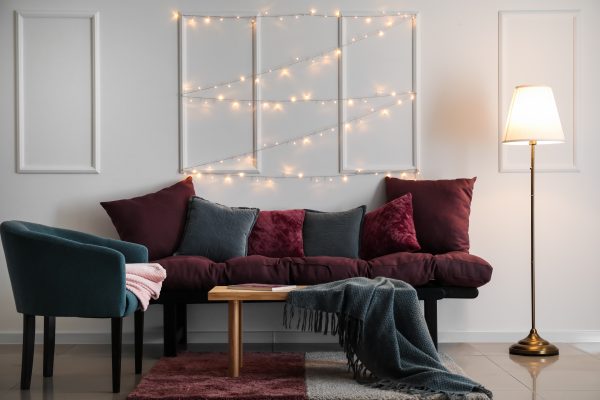
Beautiful interior of modern room decorated with fairy lights

Decorating your home is harder than it looks. Most people are not professionals when it comes to creating a pleasing aesthetic while also retaining the functionality of a home. There are a lot of different aspects to consider, especially if you are redecorating your entire home. If you are feeling overwhelmed, then here are some tips to help you pull together an amazing design that will make you feel right at home.

Colors

One of the very first things that you need to decide is what color palette you are going to use in your home. This will affect all the other decisions that you make, so it is important to decide early and make sure you are happy with the decision. The wrong color palette can make your home seem disorganized, even if everything else is perfect.

The theme that you want to convey with your home decor will greatly influence the colors you choose. A woodsy theme is going to have a much different color scheme than a modern theme. If you aren’t sure what theme to go with, think about a central piece or painting that you want to use in a room and then build a color palette around that signature piece.

Personality

You want to feel at home in your house, so it is important that the decor matches your personality. When someone walks into your home, they should automatically get a feel for who you are as a person. You can reflect your interests by the things that you have in your home and the decorating emphasis you choose. Colors, art, and other decorative items will show your guests a lot about what you value.

Lighting

The lighting you use in your home will have a drastic influence on the mood and atmosphere. Appropriate lighting will give your home a beautiful and functional feel. Even if your home is beautifully decorated in every other sense, bad lighting will make it seem messy or cramped.

There will be different lighting needs for different rooms of the house. In areas like the kitchen and bathroom, you will want to make sure there is a lot of bright light. Those are areas in which you will need to see details and will want a lot of light to make working in those rooms easier. You may even want to consider several sources of light like the main light and over-the-counter lights to make this even better.

In other areas like the living room, you may want a variety of light options for different reasons. During the day or during game nights, you will want the room well-illuminated. During a quiet night in, you may want to be able to dim the lights to offer a softer setting. You may even want a floor lamp to put by your favorite chair to help you when you read in the evening. Having several different light source options is a good idea.

Dead Space

Be aware of any “dead” space in your home. Dead space refers to a place in your home that seems empty or bare. This may make your room seem incomplete. You can turn bare spaces into functional spaces depending on their size and location.

You may be able to turn the area into a small study area or a place to display artwork. You could use the area as an extra storage place. You can also use these spaces to show more of your personality by hanging items from places you have traveled or places you would like to travel.

White

Don’t be afraid to use white in your decorating. White is versatile and will fit with any theme and color palette that you choose. It also adds some sophistication and a sense of cleanliness to any decor style.

Especially if you are a fan of darker colors for your walls, adding in some white elements can help brighten up your room and make it seem larger. You can also choose white as the base color for your room and use pops of color to accent and add personality.

Rule of Three

One of the easiest and most important design rules is the Rule of Three. Objects that can be grouped together like accessories, fabric, or shelves look more visually pleasing when grouped according to odd numbers.

When choosing items to place on shelves or walls or a mantle, you should be very aware of using odd numbers. A tray with small decorative pieces should hold odd-numbered items. You can also do this when hanging a collage wall or decorating shelves. Try to avoid even numbers and opt for the odds instead.

Energy Efficient

While you are redecorating your home, you may also want to think about small ways you can make it more energy-efficient. This can be as small as getting thermal curtains that will help keep in the warm in the winter. You can also switch to a more energy-efficient light bulb in your lamps and other lighting options. If you are upgrading appliances, look for ones that will help reduce your carbon footprint and your energy bills.

Don’t Forget the Details

Sometimes we can get so focused on the large items in a room that we forget the small details are what really pull it all together. Small pieces like decorative door hardware & accessories can add more personality to your home and give your guests more to discover during their stay.

Other details like family pieces, portraits, or vacation items will make it feel like your space. You should take care to decorate your room carefully, but be careful not to give it a cluttered feel. You want the space to feel decorated, not cramped.  

You may also want to consider getting some plants to add to your space. Owning plants has been shown to increase positive moods and make your home a healthier place to live. Some plants will purify the air while you take care of them. They also add some extra flair to any space and come in a variety of sizes and styles to fit your design.

The Entryway

When decorating a home, sometimes the entrance can get overlooked. It is usually a small space, so that is understandable, but don’t make that mistake. The entrance to your home sets the tone for the entire experience. It needs to be both inviting and functional.

Entrances can also get very cluttered easily since it is where most people are taking off their coats, jackets, hats, and shoes. Having a system to keep all of this from piling up is going to set a better mood for your entire home. If the entrance is cluttered, then that is how the rest of your house is going to feel, even if it is not.

Furniture Arrangement

When you are deciding on a layout for your home, it is important to think about functionality as much as design. You want your home to look nice, but you also want to be able to use it. Arranging furniture to accommodate your lifestyle is your best bet. If you entertain a lot for dinner, then you are going to want a bigger dining room table that takes center-stage. If you have regular game nights, then you will want the couches and chairs to be facing each other and central to a flat surface for the game. If your family does regular movie nights, then you will want to make sure that everyone has a good view of the TV from where they will be sitting. The key is to make it the best fit for your needs.


Friday Favorites Linky Party Week 567

Please support and follow our lovely blog party hostesses:

Jerri at Simply Sweet HomeTwitter | FB | G+ | Pin | Inst

Lisa at Condo BluesTwitter | FB | G+ | Pin | Inst

Amy at A Day of Small ThingsPin

Penny at Penny’s PassionTwitter | FB | G+ | Pin | Inst

Jennifer at Busy Being JenniferTwitter | FB | Pin | Inst

If you are featured this week, be sure and grab a featured button for your blog!

You can show your love for this week’s favorites by going over and commenting on the posts and by pinning or sharing!

And if you love all of this week’s favorites, please pin, share, and invite your friends to this week’s linky party! [Read more…]

5 Common Lawn Pests and What to Do About Them

You spend hours working on your lawn; mowing, watering and fertilizing to keep the grass thick, green, and healthy. Everything looks great, until one day you notice a mound of dirt surrounding a hole…and another one and then a few more. Soon, your beautiful green lawn has brown patches, ridges and other unsightly problems.

Even when you give your lawn plenty of TLC, pests can do a number on it. Professional lawn care and maintenance services are often called in when homeowners discover pests and want to save the grass before it’s chewed up or even killed by insects and rodents. Although every lawn is different and some areas are more susceptible to certain lawn pests than others, knowing the most common invaders can help you keep them out of your yard, or take care of them quickly if they do show up.

The Pests Most Likely to Tear Up Your Lawn

Moles

Moles are small rodents, often confused with mice. They have dark, velvety fur and small ears and eyes; the size of their ears is the best way to differentiate one from a mouse. Moles live underground, where they eat earthworms and other invertebrates, including the larvae of other bugs.

Moles won’t directly eat your grass or the roots, but rather they cause damage with their tunneling in search of food. In fact, evidence of moles is often linked to grubs in your lawn, but they can appear on their own as well. They tend to be attracted to damp earth, and overwatering can bring them into your yard. Watering less often, can help keep them away. Otherwise, using traps and pesticides may be the only way to keep them out.

Grubs

A favorite food of moles, grubs are actually the larvae of beetles, including the Japanese beetles that wreak havoc on your flower and vegetable gardens. Typically fat, white, wormlike creatures, grubs feed on the roots of the grass, killing the plant.

Beetles have a one-year lifecycle. The insects typically lay their eggs in the summer, turn into the larvae that eat grass roots in the fall. They go dormant in the winter, tunneling into the soil, only to reemerge in the spring and continue munching on the grass. They then hatch into new beetles, beginning the cycle all over.

When you have a grub infestation, you’ll start to notice brown patches of dead grass in your lawn. Because the roots have been severed, you can easily lift the patch of grass and roll it up like a carpet. You’ll likely see the grubs in the dirt, too. The only way to get rid of grubs is by using a pesticide, and doing so every year. Left untreated, they can kill the entire lawn.

Webworms

Like grubs, it’s the larvae of webworms that harm your lawn. Adult webworms are small, off-white colored moths that fly just above the grass; you might not even notice them until you mow the lawn. The moths lay eggs in the soil, though, and the hatching larvae eat the grass at night. The damage they do is usually hidden by new growth, but once your grass goes dormant, you’ll see where they’ve been eating your lawn. Again, professional intervention to eliminate the larvae is necessary to protect the grass.

Chinch Bugs Chinch bugs stay on the surface, and literally suck the life out of the grass. These tiny black bugs — only about the size of a tip of a pencil — tend to be found in large swarms on the grass.

They suck the sap out of individual blades of grass and inject saliva that causes the grass to die. When they aren’t feeding, they find hiding places in the thatch under the top layers of grass.

Chinch bugs will cause areas of widespread damage if they aren’t controlled. Dethatching the lawn to eliminate their hiding places, and using pesticides, can keep them away.

Billbugs

Billbugs are another species where it’s the larvae that kills your lawn, not the adults. A type of weevil, they spend the winter on the edges of your yard, especially if you have trees or leaf litter around the edges of the grass. In the spring, they return to the grass to lay their eggs. The larvae eat grass at their growing point, killing it.

Billbugs are one of the most difficult pests to diagnose because they are so small, and they borrow so deeply into the spring thatch. Dethatching can help, as well as cleaning up all leaf debris on the edge of the yard. Most pesticides will take care of the bugs as well.

Keeping these pests out of your yard can help you maintain a strong, healthy lawn. Take care with any pesticides and call for professional help if necessary.

How to Keep your Home Warm and Save Money with Ease

If you feel as though your home is colder than it should be then you are not alone. There are so many people who are in the same situation that you are in right now, but it is possible for you to turn things around with ease.

Open up your Curtains

Heat from the sun doesn’t cost you a thing. For this reason, you need to make the most out of it. You need to open up your curtains and let some sunlight in, so you can heat your home. When it gets dark, you need to make sure that you shut your curtains if possible. This will add a layer of insulation to your home and it will also keep the heat in. It’s important that you don’t have any leaks or gaps in your windows as this will let a lot of cold air in.

Use Timers to your Advantage

Programming your boiler so that the heating comes on at a certain time is always a good thing. If you keep your heating on at a lower temperature, then this is cheaper than turning it on and off all the time. The main reason for this is because your boiler will heat up at a nice, constant speed, regardless of what temperature you keep your thermostat at. If you want to benefit yourself even more then it would be wise for you to try and invest in a smart thermostat if possible.

Move your Sofa

Sure, it may feel great for you to have your favourite sofa or chair in front of the radiator, but if you do this then you will be absorbing all of the heat and this is the last thing that you need. If you want to get around that then you need to try and move everything away from the radiator. If you do this then you will soon find that hot air is able to circulate freely and that you can make the most out of your main source of heat.

Make the Most out of your Insulation

When it comes to heat, it should be noted that around 25% of it is lost through the roof. It’s more than possible for you to reduce this if you install 25cm of insulation in your loft. You also need to see what is happening in your walls too. One-third of heat in a home that is not insulated is lost, so even though insulation may be expensive, it’s a worthwhile investment all the same. If you have wood flooring then you can easily have underfloor heating installed if you want to make your home feel warmer.

Wrap Up

If you have a hot water tank, then it is vital to ensure that the tank itself is insulated. This will stop the water from going cold as fast and it will drastically reduce your heating bill too. If you insulate your hot water tank, then this will save you a considerable amount of money every single year, so keep that in mind.


Water Damage In Your Home? Here’s How To Clean It

Homes can suffer from water damage for a whole host of different reasons.  If water damage is severe – for example, if there has been a flood and there is lots of water damage to different areas of your property – you may need to call a water damage restoration service to help you out.  On the serious end of the scale, you may be suffering after a flood, causing lots of water damage to different areas of your property. We’re not going to look at recovering from this type of water damage, purely because it can be very severe. Many aspects of your property may be damaged, so the best solution is to get some professionals to help you deal with everything. In this event, consider ServiceMaster of Lake Shore.

No, this post will look at some of the typical water damage you might face in and around your home. This mainly includes water damage to your ceiling and walls, usually found in the bathroom and kitchen, but also in any other room in your house. In most cases, this sort of water damage can be cleaned. So, here are some tips to help you deal with this problem:

Find the source of the water damage

The first thing you want to do is find what’s causing your water damage. Sometimes, you are the cause! Well, more specifically, your bad habits are causing water damage. For example, if you don’t turn the fan on when you shower, there’s no way of removing the moisture from the air. Likewise, if you leave your surfaces wet after cleaning dishes or showering, it can create water damage. This might not seem like it will do much, but consider how often you do it. Over time, you can create some severe water damage that might need to be professionally removed and waterproofed by a Basement Waterproofing Kingston company, or a company wherever the damage is. In these instances, you need to change your bad habits to eradicate the source.

Essentially, you need to open the windows and use an extractor fan after showering, so any moisture can leave the room. You should also dry the walls and other surfaces when they’re wet. This should help you prevent any water damage from getting worse. 

Additionally, water damage can form from things that are out of your control. The obvious example is a leaky pipe in your home that makes water soak through the walls. There’s no point in cleaning the water damage if the problem still persists because it will just keep coming back.  If this is your issue, things like Mr Flow plumbing services can be useful to deal with the root of the problem. From here, you’re in a position to clean the water damage without worrying about it returning. 

Make sure the area is dry

Once the problem has been addressed, you can start the cleaning process. The first step is to make sure the whole area is dry. If you try to clean a damp part of your wall or ceiling, it will likely do more harm than good. Cleaning water-damaged surfaces is far more effective when they’re nice and dry. 

You can choose a range of tactics to dry the area – some people prefer to use cloths/towels, while others may use a hairdryer. Honestly, pick whichever option works best for you. If you have some old towels lying around, they can be used to blot the area dry. Likewise, if you have a hairdryer that can reach the damaged area, it does do a great job of drying the whole place out. 

One word of caution with hairdryers: make sure you use a low heat setting and don’t put it too close to the surface. If your hairdryer is too hot and close to the surface, it could make wallpaper catch on fire or burn. Then, you have to deal with fire damage instead of water damage!

Clean the afflicted area with some disinfectant

At this point, you’re ready to actually clean and get rid of the water damage stains. These tend to be brown and unsightly, and you can remove them with any type of surface cleaner. However, you should use a disinfectant if you want to be as thorough as possible. Household bleach is the most commonly used item, just make sure you wear gloves and a mask while using it. 

Spray or apply the bleach to the surface, then let it settle for a few minutes. Afterwards, you can use a sponge and some soapy water to gently rub away at the stains. They should come off and don’t be surprised if wallpaper peels away. This is a natural reaction to years of water damage, and you can either paint over it or find new wallpaper to replace it. 

The most important thing here is that you use a disinfectant. Why? Well, you need to ensure the area is completely free of any bacteria or fungi. When water damage occurs, mould isn’t far behind. In essence, the bleach kills any mould spores and stops it from forming. So, you don’t have to deal with cleaning the water damage and then seeing black spots of mould form a few weeks later.

Should you consider replacing your water system?

If you’re experiencing water damage on a regular basis, the it could be due to an old water system that needs to be replaced eventually.

Your water system is the lifeblood of your home’s plumbing, so deciding whether to replace it is no small matter. Over time, pipes can degrade, leading to leaks, reduced water pressure, and even water contamination. If you notice frequent leaks, unusual noises, or discolored water, it might be time to think about a replacement.

Older systems, especially those using outdated materials like lead or galvanized steel, pose health risks and may not meet current safety standards. Upgrading to something more modern like Leaf Home’s whole home water system can improve water quality and pressure, reduce the risk of future leaks, and even save you money on water bills in the long run.

Consider also the environmental benefits; new systems can be more eco-friendly, reducing water wastage and energy consumption. Ultimately, a new water system is an investment in your home’s future, ensuring safety, efficiency, and peace of mind.

Dry the area (again!)

That’s right, you’re back on drying duties! The same tactics apply here, but you really want to make sure you dry the area as quickly as possible. The absolute worst thing you can do is clean away water damage stains, but then leave the wall without drying it. You’re basically just going to make more stains come back! So, act quickly and ensure the surface is nice and dry, leaving you with a clean area.

Oh, one other thing to mention, which ties in with the last two points, you shouldn’t use lots of water when cleaning. Ideally, you should squeeze most of the moisture out of your sponge, so it’s damp. Using too much water will make it harder to dry your wall, which can cause more water damage to occur. 

There you have it: follow these tips to learn how to clean water damaged surfaces in your home. As mentioned in the introduction, this applies to water damaged caused by bad habits or minor mishaps in the home. If you’re suffering from flood damage, you really should call a professional Water Damage Restoration Company in as there will be lots of work to do.


5 Signs That Your Living Space May Have A Pest Infestation

Pest infestation is a common problem that homeowners come across more than once. The issue itself is daunting, but things can be worse if it comes out of the blue. For most homeowners, the discovery of pest infestation is unexpected. You clean your place often, use quality products to steer clear of insects and rodents, and inspect the vulnerable area regularly, but the lurking enemies still end up taking you by surprise. Staying a step ahead is your best bet to protect your home against a major infestation and save up on massive extermination bills. Here are the signs you must watch out for.

Pest droppings
The most common indication of unwanted intruders in your home is the presence of pest droppings in your living space. You may notice them in areas frequently accessed by insects and rodents, such as the attic, basement, crawl spaces, under the sofa, or behind your water heater. If bed bugs are present, droppings are often found beneath sheets or mattresses. When these signs appear repeatedly or in multiple locations, taking action becomes an urgent requirement, as delaying treatment can allow pests to multiply and spread. In such cases, contacting the best pest control company in St. Louis or in your vicinity can help ensure proper removal of the infestation. The exterminators also take measures to reduce the risk of a future infestation by addressing both the pests and their entry points.

Dirt and grime build-ups

When you see an unexplained buildup of dirt and grime around your living space, you are dealing with an infestation. Look out for dirt on the walls, greasy-looking smudges on the floor, and grime on the furniture. These often occur when rodents rub up against surfaces. The house will appear dirtier than usual. Although these indications are often subtle, there could be a big problem brewing.

Unusual smells and sounds

Another sign that clearly indicates an impending infestation is unusual sounds and smells. The problem areas may smell of rotting or stale food. Household rodents tend to carry food around and drop it under the furniture or in the corners. You may also notice odors from their droppings and urine. Checking pest-help.com can give you a fair idea about linking a specific smell with different pests. Apart from strange smells, you may also hear scampering or crawling sounds from the attic or basement.

Damage to the furniture

The last thing you will want to see is damage to your furniture, but it is a clear sign that you will see an infestation sooner rather than later. Bugs and rodents can damage the fabric and also gnaw and scratch the wood. You may notice chewed wires and gnawed cardboard boxes in the storage areas. These are serious signs, and you should take action at the earliest.

Discarded body parts

Like droppings and food crumbs, pests often leave behind their body parts as telltale signs of their presence in your living space. You may find discarded wings, skin, or limbs in the corners or window sills. Sweeping them and hoping that they are gone for good is the worst mistake you can make. The best piece of advice is to get professional extermination at the earliest.

Homeowners must be watchful about pest presence in their living space. Never ignore even the smallest sign because what appears to be a few cockroaches or one rat may be only the beginning. Addressing the problem quickly can save you a lot of money and effort in the long run.